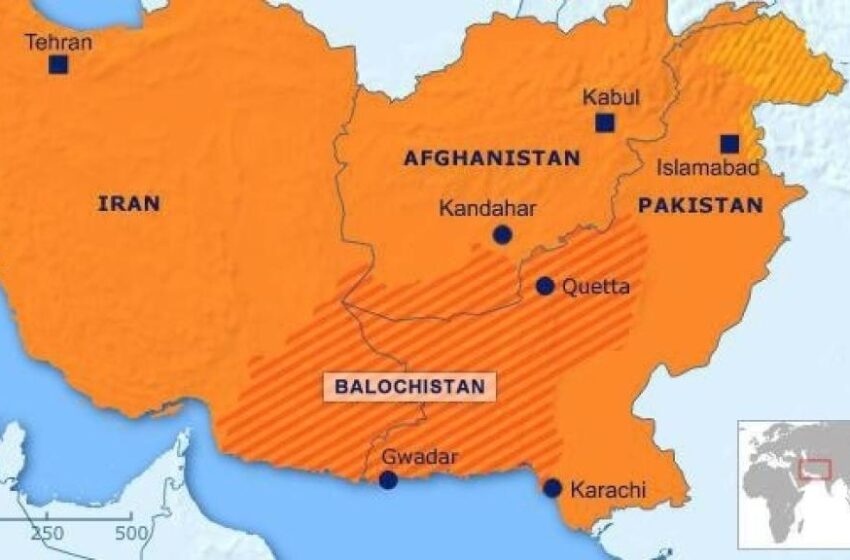
Balochistan: Seven Prisoners Executed in Birjand Prison, Including Four Baloch
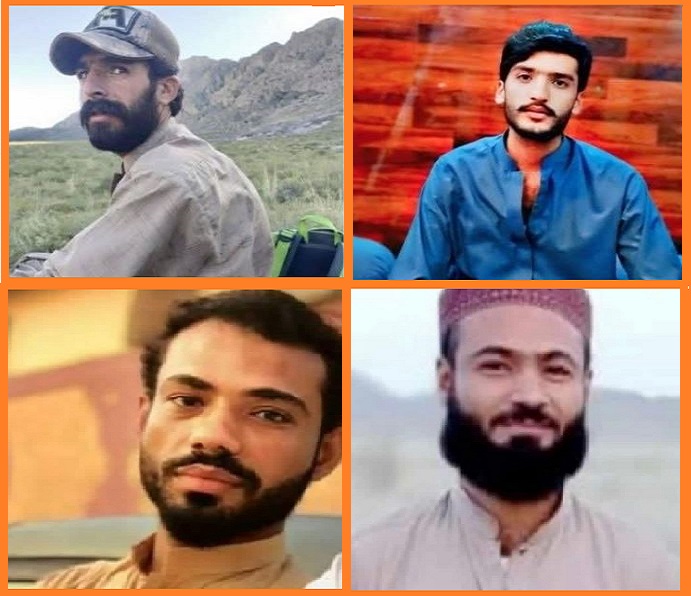
DOZZAAP (ZAHEDAN): At least seven prisoners, including four Baloch men, were executed on Sunday, May 4, in Birjand Prison on drug-related charges, according to a report released by the Baloch Activists Campaign.
The identities of those executed are:
- Khosrow Sarani (42), father of two, from Hirmand County
- Mahmoud Sarani (Rakhshani) (41), from Sarani village, Hirmand
- Yousef Sorourosh (Narouei) (52), father of four, from Zahedan
- Alireza Lalouzaei (52), resident of Mashhad
- Mousa Shokoohi (40), from Torbat-e Jam
- Mojtaba Lakzaei (34), father of one, from Zabol
- Ali Nouri (35), father of two, from Zabol
The men had been sentenced to death for drug-related offences and were reportedly arrested between 2021 and 2023. Their executions were part of a larger wave carried out on the same day, bringing the total number of people executed in Birjand Prison to 13. Among those executed were three women, though details about them remain undisclosed at the time of reporting.
This incident has heightened concerns among human rights organisations about the disproportionate number of Baloch prisoners facing capital punishment in Iran.
According to the Baloch Activists Campaign’s 2024 annual report, at least 101 Baloch prisoners were executed in Iran last year. Of these, 73 were convicted on drug charges, and 28 for alleged murder. The executions also included one woman and one juvenile offender.
Human rights advocates have long criticised Iran’s extensive use of the death penalty, particularly in non-violent drug cases, and accuse the authorities of systematically targeting ethnic minorities and subjugated nations such as the Baloch.
Organisations such as Amnesty International have repeatedly urged Iran to halt executions and address institutional discrimination against non-Persian ethnic groups.
The latest wave of executions is expected to increase international pressure on Tehran from human rights bodies and UN mechanisms, especially given Iran’s obligations under the International Covenant on Civil and Political Rights (ICCPR), which limits the use of the death penalty to only the “most serious crimes.”