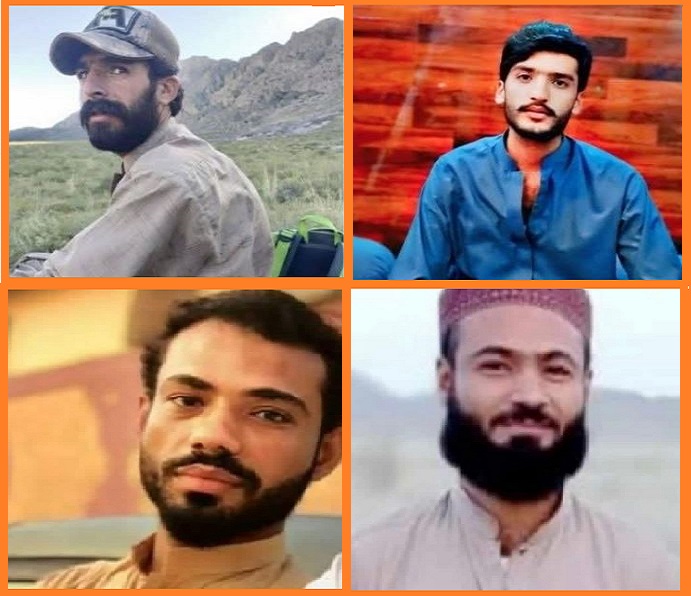
Baloch Families Demand Justice in Islamabad Amid State Crackdown
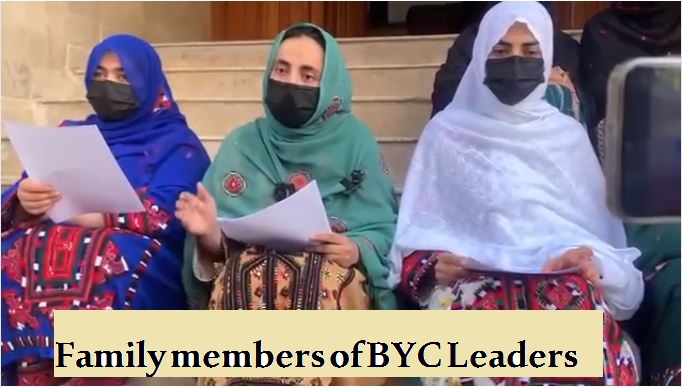
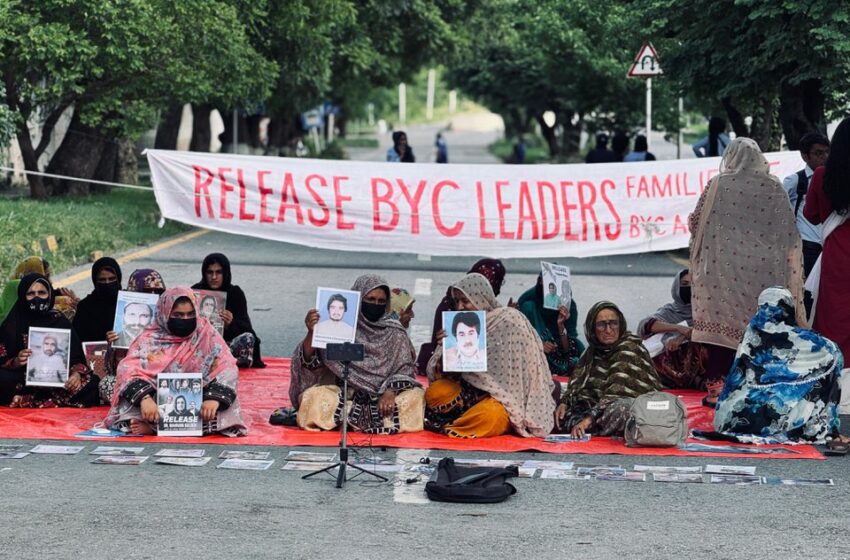
ISLAMABAD: For the 15th consecutive day, Baloch families have maintained a peaceful sit-in outside Islamabad’s National Press Club, demanding the release of detained Baloch Yakjehti Committee (BYC) leaders and an end to the practice of enforced disappearances in Balochistan.
What began as a determined but quiet protest has now evolved into a powerful symbol of resistance against systemic oppression despite being met with mounting state hostility, surveillance, and calculated isolation.
Since day 12 of the protest, Pakistani authorities have intensified their crackdown on demonstrators, with law enforcement and intelligence agencies repeatedly entering the protest area to film participants, especially young Baloch male students.
CNICs (national identity cards) are being checked without cause, and several women and elderly protestors have been followed to their shelters at night, their photographs taken, and their locations marked in an apparent attempt to intimidate them into silence.
Meanwhile, the road leading to the protest site remains sealed off with buses and barricades, effectively cutting off the demonstration from public visibility. The protestors are denied permission to set up tents despite sweltering summer temperatures and earlier, even during torrential rains. As a result, multiple women and children have fainted due to heat exhaustion.
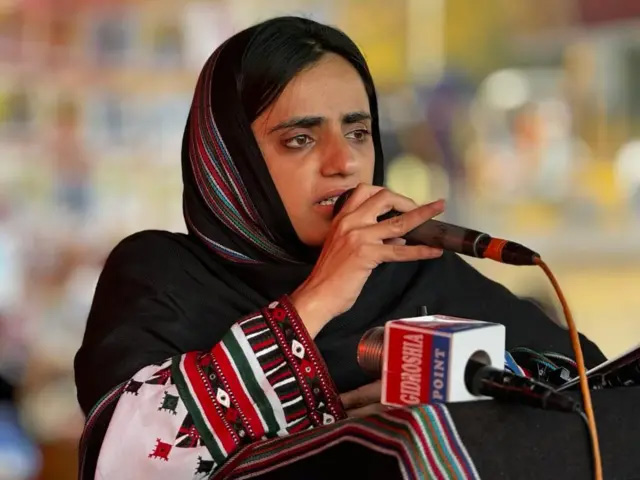
“This is not protection. This is erasure,” said one organiser at the sit-in, referencing the visible efforts by authorities to isolate the protestors from public view. “We are being treated like a threat for demanding basic rights.”
Yet, amid state suppression, solidarity is slowly growing.
On the 15th day, prominent Pashtun leader Afrasiab Khattak and veteran Pakistani politician Javed Hashimi visited the protestors to show their support. Their presence offered a rare moment of acknowledgment from national political figures and a reminder that this struggle for justice is being watched, even as the state tries to keep it hidden.
The families also commemorated the one-year anniversary of the Baloch National Gathering, Baloch Raaji Muchi, held in Gwadar in 2024.
On Day 13 of the protest, a two-minute silence was observed to honour the martyrs of that historic event. Participants shared testimonies, further highlighting the long-standing resistance of Baloch communities against militarisation and enforced disappearances in their homeland.
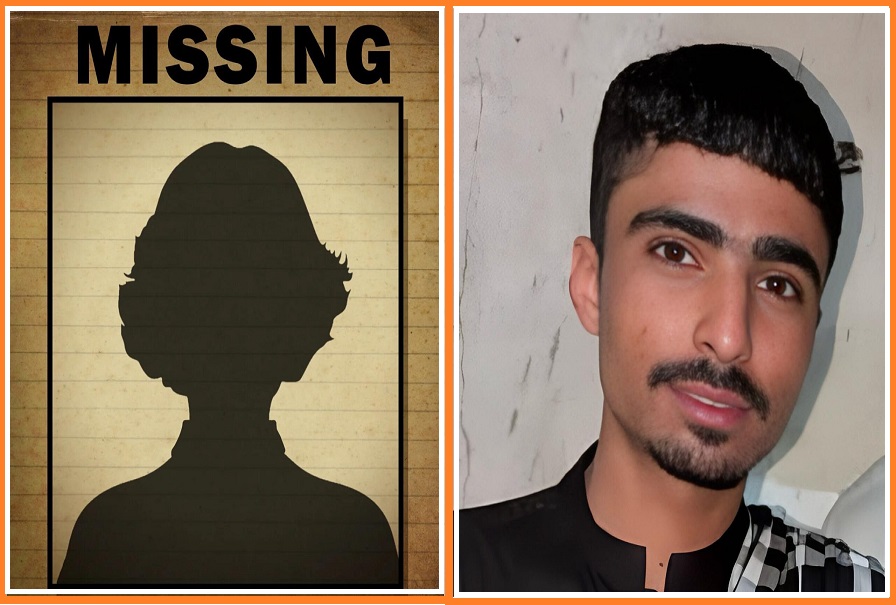
Despite the harassment and brutal summer conditions, these families—many of them grieving mothers, sisters, and daughters of the disappeared—remain steadfast in their demand: the immediate release of BYC leaders and an end to the disappearances that have haunted Balochistan for decades.
Organisers and human rights advocates have been calling on journalists, civil society, and concerned citizens to break their silence and stand in solidarity with the protestors.
“The state wants to bury us behind barricades. But we will not be silenced,” said a protestor. “We are not going home until we are heard.”
As the sit-in continues into its third week, the moral burden now lies on Pakistan’s political class, media, and civil society. Will they stand with the families of the disappeared from Balochistan or allow silence to be complicit in the violence?