Day 4 of Islamabad Sit-In: Protesters Suffer in Extreme Heat as Crackdown Intensifies
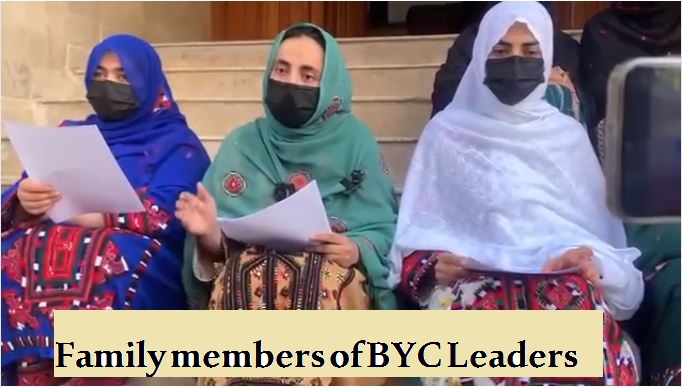
ISLAMABAD: On the fourth day of a peaceful sit-in by families of forcibly disappeared persons and leaders of the Baloch Yakjehti Committee (BYC), Pakistani authorities have sealed off all access roads leading to the protest site outside the Islamabad Press Club, effectively cutting off additional families and supporters from joining the demonstration.
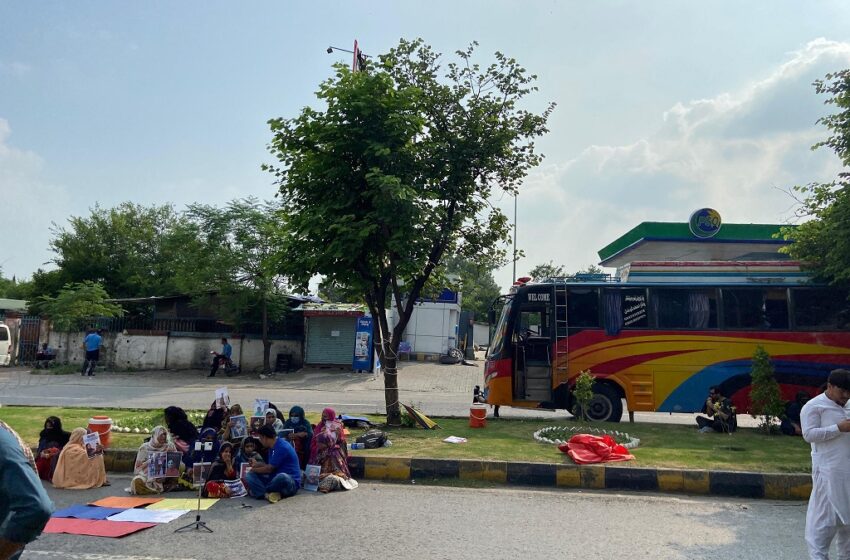
Despite scorching heat and worsening conditions, the protesters—many of them women, children, and elderly individuals—remain camped on the pavement without tents, shade, or basic facilities. Several participants have reportedly fainted from heat exhaustion, raising serious concerns about their health and safety.
The sit-in, which began earlier this week, was launched to demand the release of detained BYC leaders and an end to the ongoing campaign of enforced disappearances targeting the Baloch community. From the outset, authorities have refused to allow the protesters to erect tents or properly set up a camp, forcing them to endure the elements with minimal support.
Today’s escalation saw a bus brought to the protest site, fuelling fears that the government may attempt to forcibly remove and deport the protesters back to Balochistan. A similar move was attempted during the Baloch Long March earlier this year, but was ultimately thwarted by public backlash and determined resistance from protesters.
Activists and rights groups have denounced the road closures and detentions as a coordinated attempt to suppress Baloch voices and criminalise peaceful dissent. The continued targeting of BYC leadership and the denial of basic rights to demonstrators point to what critics say is a broader strategy of silencing marginalised communities through intimidation and force.
“These families have travelled hundreds of miles to peacefully demand justice. Blocking their path, denying them shade, and now threatening deportation is not only inhumane but a violation of their fundamental rights,” BYC activists said.
Calls are growing for Pakistan’s civil society, media, and international human rights bodies to urgently intervene, support the families, and pressure the authorities to allow peaceful assembly and address the protesters’ demands.