Day 18 of Islamabad Sit-In: Baloch Families Demand Justice Amid State Indifference
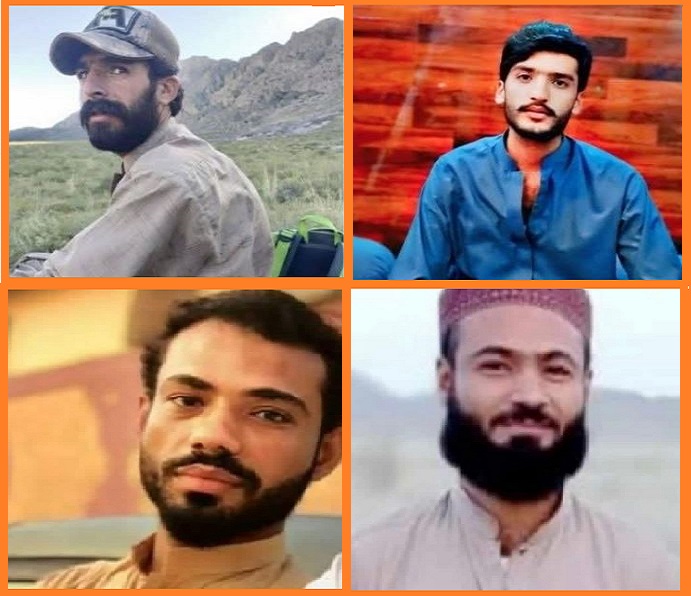
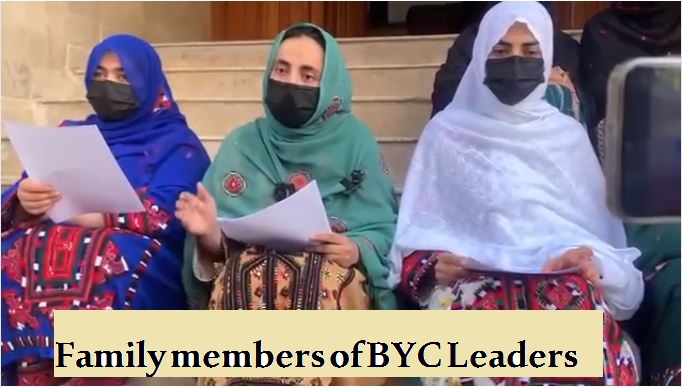
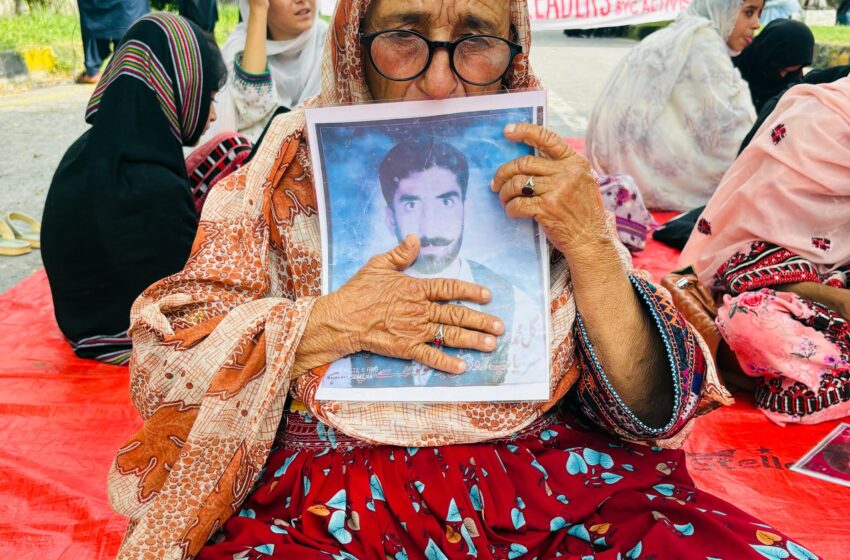
ISLAMABAD: Today marked the 18th consecutive day of a peaceful sit-in protest by families of enforced disappeared persons and detained leaders of the Baloch Yakjehti Committee (BYC) in Islamabad. These families, who have traveled from the distant and conflict-ridden Balochistan, continue to demand justice and the safe release of their loved ones, despite enduring severe weather conditions and increasing state repression.
For over two weeks, the protestors, comprising elderly women, young children, and relatives of the missing, have braved heavy monsoon rains, scorching heat, and harsh weather without being permitted to set up a proper protest camp. Authorities have persistently denied them basic facilities such as tents, water supplies, and sanitation, raising serious concerns over the state’s treatment of peaceful demonstrators exercising their constitutional right to protest.
Instead of engaging in dialogue, the state’s response has been marked by escalating intimidation tactics. The road leading to the National Press Club, where the sit-in is taking place, has been sealed off with barricades, restricting media access and isolating the protestors from public view. Surveillance of the protest site has intensified, and participants have reported instances of harassment and attempts to discourage them from continuing their sit-in.
Human rights observers have criticised the Pakistani government’s approach, calling it a deliberate attempt to stifle dissent and silence the voices of families seeking accountability for enforced disappearances Balochistan.
Despite the mounting pressure, the families remain resolute. “We have come here only to ask: where are our sons, fathers, and brothers? We are not criminals. We just want answers,” said one elderly woman at the protest, her voice firm despite evident exhaustion.
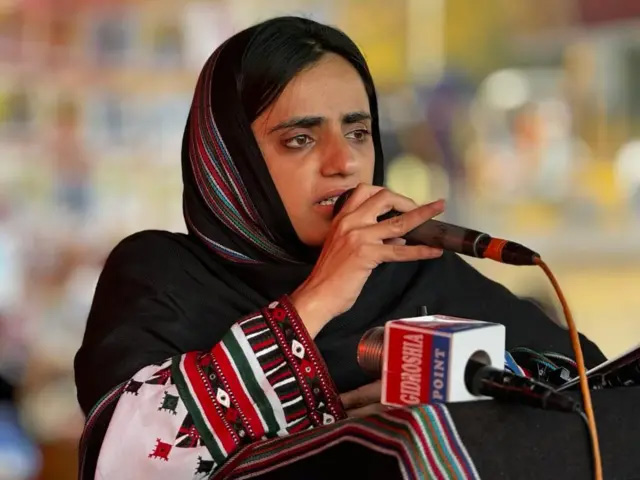
The Baloch Yakjehti Committee, whose leaders are among those detained under controversial anti-terrorism laws, has called on civil society, media, and international human rights organisations to stand in solidarity with the protestors. They argue that the state’s repressive measures, roadblocks, surveillance, and information blackouts, are not only a violation of fundamental human rights but also a testament to the shrinking space for peaceful protest in Pakistan.
The sit-in continues to expose the deepening human rights crisis in Balochistan, where enforced disappearances, arbitrary detentions, and suppression of dissent have become systematic patterns, often ignored by mainstream media, political institutions and Judiciary in Pakistan.
As the protest enters its third week, families have vowed not to leave until their demands for justice are met, even if it means enduring further hardship.