Balochistan: Baloch Activist Released After Two Days of Torture by Iran’s Intelligence Officials
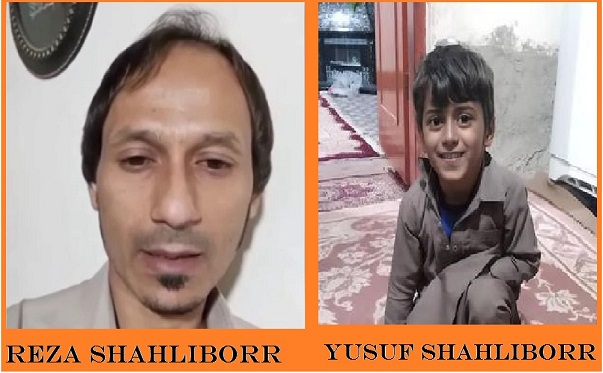
DOZZAAP (ZAHEDAN): Reza Shahliborr, the uncle of Yusuf Shahliborr, a five-year-old Baloch child killed earlier this year by gunfire from the Iran Shahr Tactical Unit, was released from detention on the evening of Thursday, September 20, 2025. His release came after two days of severe torture at the hands of Iranian intelligence officials.
Shahliborr, who has been a vocal advocate for justice for his nephew, was freed in front of his mother’s house in Iran Shahr, bearing visible signs of physical abuse.
According to reports from the Baloch Activists Campaign, Shahlibar was arrested early on the morning of Tuesday, September 18, 2025, by Iranian security forces in Hoshk, Saravan, and taken to an undisclosed location.
During his detention, he was subjected to brutal torture, which left deep physical marks on his body. The Baloch Activists Campaign shared a disturbing video showing Shahlibar’s injuries, including bleeding from his ear, deep cuts on his back, extensive bruising on his arms and legs, and visible scars from beatings with hard objects and cables.
Shahliborr’s brother, Haider, confirmed in an audio message that Reza was arrested around 2:30 AM on September 18 in Hoshak, Saravan. The family only learned of the arrest after Reza managed to make a brief phone call, during which he informed them of his situation. Despite visiting several security and military agencies in Saravan, the family was unable to obtain any information regarding his whereabouts. Military officials claimed to be unaware of his detention.
Reza Shahlibar had been actively demanding justice for his nephew, Yusuf Shahliborr, who was tragically killed during a direct shooting by the Iran Shahr Tactical Unit in Chah Jamal, Iran Shahr, on March 6, 2025.
Yusuf’s mother, Maryam Shahliborr, who was pregnant at the time of the incident, also suffered severe injuries and lost her unborn child. Despite initial arrests of nine military personnel involved in the incident, all were released, and the case remains unresolved, leaving the Shahliborr family with no closure.
In his struggle for justice, Reza Shahliborr had called for accountability and legal action against the officers responsible for his nephew’s death. His advocacy for justice continued even as his own family faced harassment and intimidation from state authorities.
Shahliborr’s release came only after his case gained widespread media attention. His family and human rights organisations have called for international pressure to address the ongoing abuse and systemic violence against the Baloch people, especially concerning the widespread issue of enforced disappearances in the region.
The physical toll of the torture suffered by Shahliborr is described as critical. Due to the severity of his injuries, he is reportedly struggling to speak, further highlighting the human rights violations that continue to plague the Baloch community. His condition has raised concerns over the extent of physical abuse inflicted during his detention.
Shahliborr’s case has added to the growing list of human rights abuses in Balochistan, where activists, journalists, and ordinary citisens are regularly subjected to harassment, torture, and enforced disappearances by the Iranian authorities.
The Iranian authorities have yet to address any of these reports or provide accountability for the violence inflicted on the Baloch people.
Background on Yusuf Shahliborr’s Killing
The death of Yusuf Shahliborr remains one of the most tragic examples of state violence in recent months. On March 6, 2025, Iran Shahr Tactical Unit officers opened fire on a passenger vehicle in Chah Jamal, Iran Shahr, killing Yusuf, a five-year-old child, and seriously injuring his mother, Maryam Shahliborr. Despite the initial detention of several military officers, they were later released, and no legal action was taken. The case has remained unresolved, deepening the sense of injustice felt by the Baloch community under Iran’s occupation.