Balochistan: Enforced Disappearances And Extra Judicial Killings: 9 Bodies Recovered in 4 Days
SHAAL (QUETTA): Balochistan continues to remain grip of a severe human rights crisis, as a series of enforced disappearances and the recovery of mutilated bodies continue to unfold across the region.
According to local sources, nine bodies have been recovered from different areas of Balochistan over the past four days. All the individuals were victims of enforced disappearances.
Among the victims are individuals who had gone missing weeks or months earlier, taken by Pakistani security forces without formal charges or judicial oversight. Their bodies, now returned, bear the scars of brutal torture, suggesting extrajudicial executions during illegal detention.
Identities and Locations of the Deceased
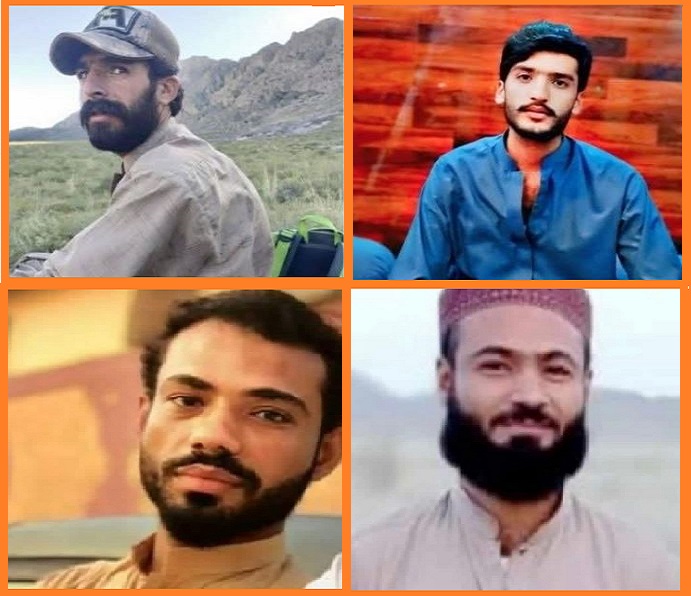
In the past nine days, four bodies were recovered from the Kech district, two of whom were identified as Abdul Sattar son of Khalid and Tariq son of Haji Hamza. From Nag, Panjgur the body of Allah Dad was recovered. The tortured dead bodies of Talal Ahmed son of Abdul Rasheed and Meraj son of Sher Muhammad were found in Buleda, Kech.
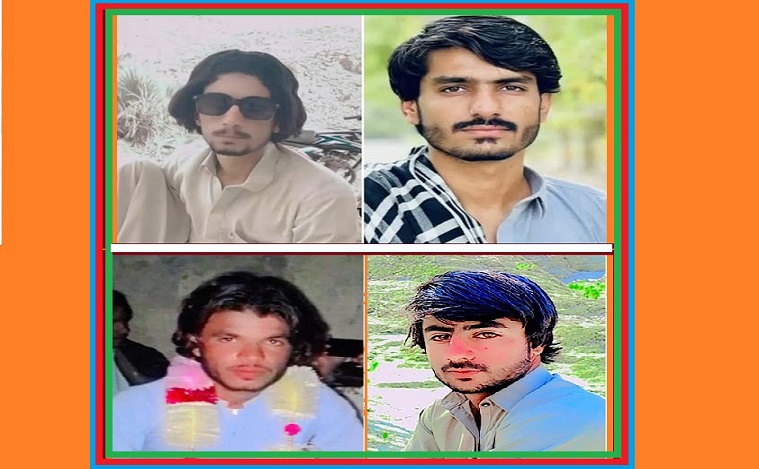
Two particularly harrowing cases emerged from Jahoo, Awaran on September 20, involving the recovery of the dead bodies of Faheem Baloch son of Qasim and Baqir Baloch son of Allah Bakhsh. Both were residents of Chidagi, Awaran and had been forcibly disappeared earlier in the month.
Faheem Baloch, a part-time labourer, was abducted by Pakistani military forces from Awaran’s Main Bazaar on September 11.
Baqir Baloch, a farmer and Faheem’s relative, was summoned to a military camp in Waja-e-Bhag, Jahoo tehsil, on September 12, and was also forcibly disappeared.
Their bodies were discovered together in Majid Pir area of Jahoo, bearing unmistakable signs of torture, further substantiating reports of in-custody abuse and extrajudicial killings. Both were detained for over a week before being found dead.
Two additional unidentified bodies remain at Turbat Teaching Hospital, with no confirmed identities as of yet.
Widespread Allegations and Condemnation
Regional sources report that all these individuals had been subjected to enforced disappearance and were subsequently killed while in custody of Pakistani. The pattern mirrors dozens of similar cases reported over the years in Balochistan, where victims disappear without legal process, only to be later found dead, often bearing signs of extreme torture.
Balochistan has long suffered from unrest and militarisation. For decades, families and human rights groups have been saying that the Pakistani state, particularly the military and intelligence agencies, are behind abductions, secret detentions and killings of political dissidents and civilians. Many victims have no formal criminal records or legal proceedings against them.
Reports from human rights observers state that the bodies recovered in recent days had marks of physical torture, heightening fears that the deceased were subjected to inhumane treatment during captivity. Families say many of these individuals were detained months or even years ago, yet no FIRs (First Information Reports) were ever registered, nor were any cases presented before the courts.
Calls for Accountability and International Scrutiny
The Human Rights Commission of Pakistan (HRCP) and various local and international human rights organizations have expressed grave concern over the situation, calling it a collapse of the rule of law in Balochistan.
Human Rights activists argues that these are not isolated incidents and that this is rather a systematic practice of state violence, where victims are abducted, tortured and dumped with impunity. Balochistan has become a black hole for justice, the HR activists say.
Human rights defenders have demanded an independent and transparent investigation, insisting that those responsible, regardless of rank or institution, must be brought to justice.
Despite the seriousness of the crisis, neither the Government of Pakistan nor the representatives of the state have issued a clear response to the recent incidents. Generally, the state officials deny any involvement of state institutions in enforced disappearances, often blaming “unknown elements” for the violence.