BYC Concludes 74-Day Sit-in in Islamabad, Vows to Continue Peaceful Resistance
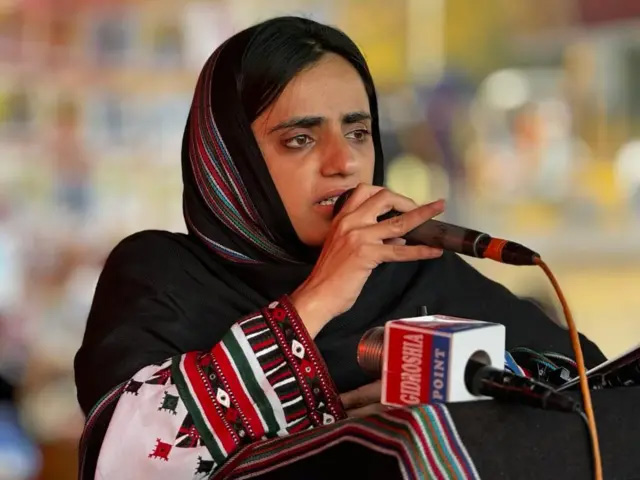
Islamabad/Quetta: After more than two months of continuous protest, the Baloch Yakjehti Committee (BYC) has concluded its 74-day sit-in near the National Press Club in Islamabad. The protest, led by BYC leaders Sammi Deen Baloch and Nadia Baloch, sister of jailed BYC leader Dr. Mahrang Baloch, was a powerful call against the arbitrary detention of Baloch activists and the decades-long crisis of enforced disappearances in Balochistan.
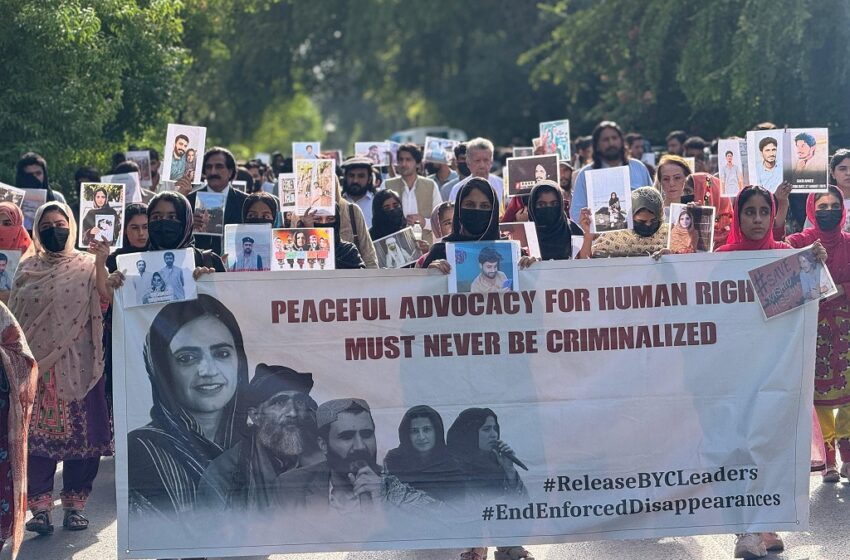
The sit-in ended with a press conference and a symbolic peace walk. In a public statement, BYC affirmed that while the physical protest had concluded, the peaceful resistance would continue. “Our protest may have ended, but the struggle against oppression has not. We will continue to raise our voices through peaceful and democratic means,” said the organisers.
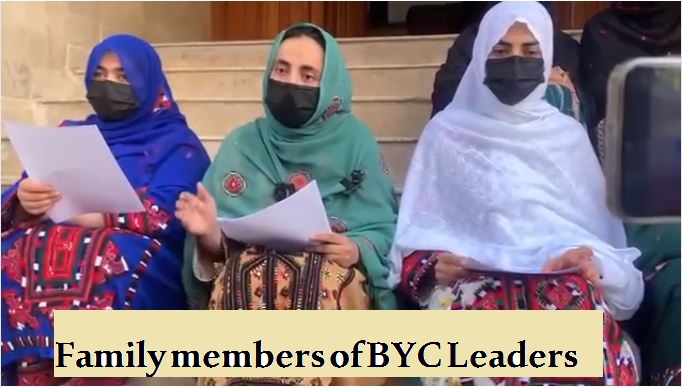
The protest camp, which drew participation from mothers, sisters, students, and civil society members, became a symbol of resilience. Throughout the 74 days, protesters braved intense heat, rain, and constant surveillance. Many faced intimidation by police and state agencies, and several were subjected to harassment and displacement from their rented accommodations. Despite this, they held firm, demanding justice and the release of Dr. Mahrang Baloch and other detained BYC members.
Nadia Baloch, a lawyer and prominent voice in the movement, called the sit-in a direct challenge to state repression. “We went to Islamabad to make it clear that Mahrang is not alone, that imprisoning her cannot strip the Baloch nation of its right to resist,” she said.
She accused the Pakistani state of deliberately trying to silence Baloch voices through threats, smear campaigns and legal abuse. “We were treated as if we had no rights in our own country. We were baton-charged, harassed and even denied the right to protest peacefully outside the Press Club,” she said.
Nadia also emphasised the targeting of their legal team. “Our lawyers, Imaan Mazari and Hadi Ali, were harassed simply for standing with us. Even ordinary people were threatened for offering us rooms to rent. Every step of the way, the state tried to shut us down but we endured.”
According to BYC, the decision to end the sit-in came after repeated appeals from human rights defenders and civil society leaders, including veteran Baloch intellectual Mohammad Ali Talpur, Munizae Jahangir of the Human Rights Commission of Pakistan, Amina Masood Janjua of Defence of Human Rights, lawyer Imaan Mazari, politician Afrasiab Khattak and others.
While the state may view the conclusion of the sit-in as a tactical success, the BYC views it as a moral failure of the Pakistani government and judiciary. “The rulers may think ignoring us is a victory. But this protest exposed the hollow claims of democracy and human rights,” said Nadia.
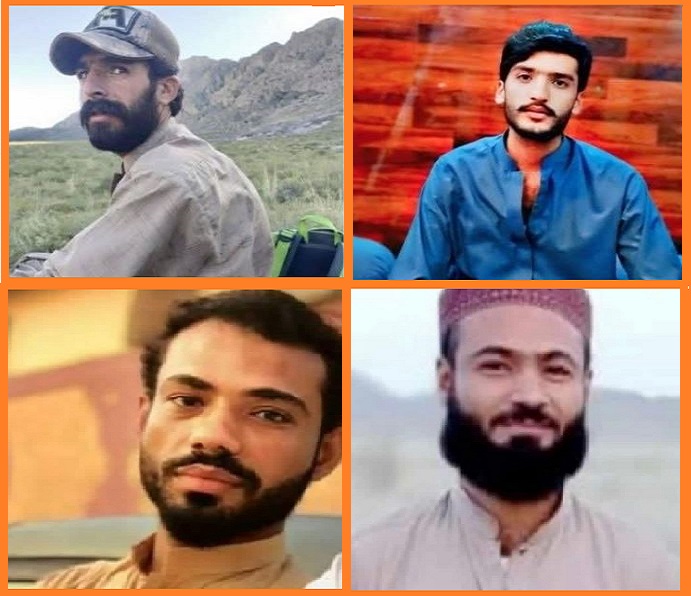
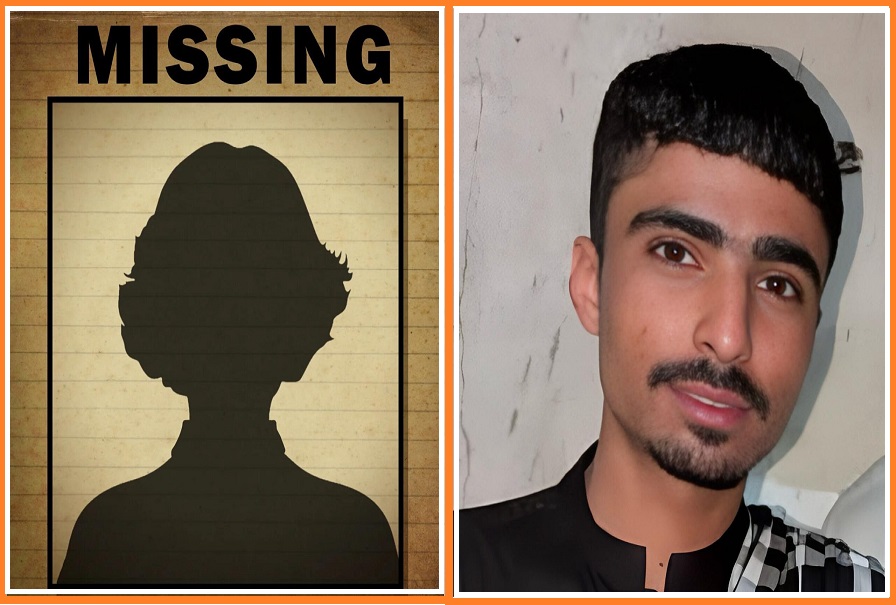
The sit-in has left deep emotional scars among the families involved. Mothers and sisters who carried photos of their missing loved ones for over two months returned home without answers, but not in silence.
The protest, according to BYC, served as a global message about Pakistan’s treatment of the Baloch people.
The BYC reiterated that their movement will persist across all platforms, locally and internationally, until their leaders are released and the disappeared are returned. “This struggle is far from over,” they said. “It continues in the hearts of those who stood firm for justice, and it will continue until justice is served.”
The courage and commitment of the families, especially the women who led the protest, have now become part of a growing chapter in the history of Baloch resistance, one marked not by violence, but by peaceful defiance in the face of state repression.