
Amnesty Slams Pakistan for Labelling 32 Baloch Activists as ‘Proscribed Persons’
ISLAMABAD: Amnesty International has strongly condemned Pakistan’s decision to designate 32 individuals, including several Baloch activists, as “proscribed persons” under Section 11-EE of the Anti-Terrorism Act (ATA) 1997, describing the move as an arbitrary and unlawful misuse of counterterrorism legislation to silence dissent.
In a statement issued on Thursday, Amnesty International said that the inclusion of peaceful Baloch activists on a terrorist watchlist without due process “violates their rights to liberty, privacy and freedom of movement.”
Babu Ram Pant, Amnesty’s Deputy Regional Director for South Asia, said, “The arbitrary manner in which these individuals, including peaceful Baloch activists, have been placed on a terrorist watch list without being given an opportunity to challenge the decision, is an affront to due process and human rights.”
The organization said it has long expressed concern that Pakistan’s Anti-Terrorism Act does not comply with international human rights standards and grants sweeping powers to authorities to detain or restrict individuals merely for exercising their fundamental rights. “The law has been systematically weaponized to target dissent and silence critical voices within the country,” Pant said.
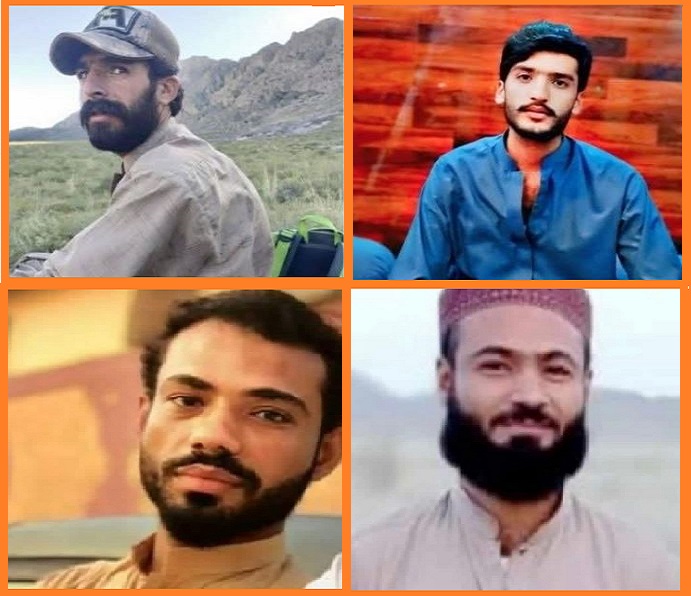
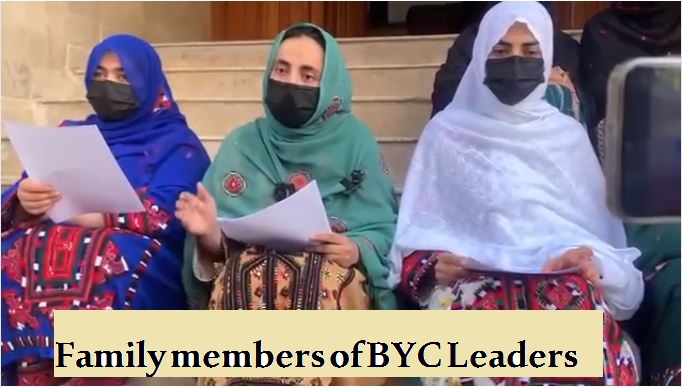
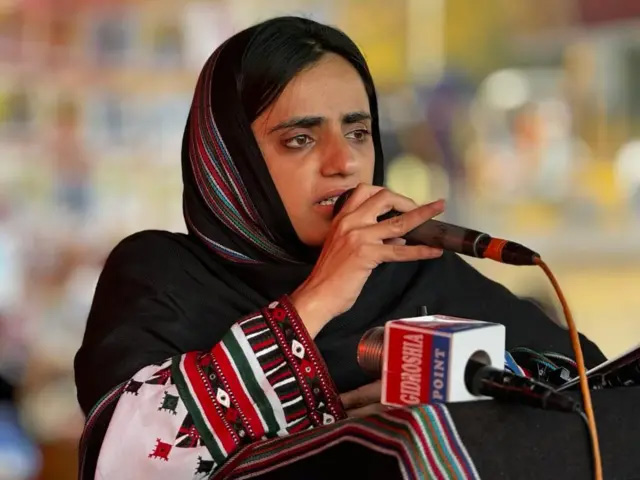
According to Amnesty, the government of Balochistan issued notifications on October 2 and October 16 listing 32 individuals from the districts of Khuzdar, Kech and Chagai under the Fourth Schedule of the Act. Those designated include Dr Sabiha Baloch, Sami Deen Baloch, Naz Gul, Syed Babi Sharif and Shalee Assa, among others.
Amnesty noted that being listed as a “proscribed person” places individuals under strict surveillance, restricts their freedom of movement and allows authorities to investigate or freeze their financial assets and those of their relatives.
“The government must immediately remove all activists from the proscribed list and from other restrictive databases such as the Exit Control List and Passport Control List,” Pant said. He called on authorities to ensure that affected individuals can challenge their designation before an independent and impartial court and that Pakistan’s counterterrorism laws are brought in line with international human rights obligations.
Amnesty International also expressed serious concern over reports of civilian deaths, including children, during ongoing military operations in Zehri, Khuzdar district. The organization said that since September 25, the area has been under strict lockdown, with all movement restricted and internet services suspended for months, amounting to “a complete denial of the right to freedom of expression.”
Pant urged the Pakistani authorities to conduct “an immediate, impartial and transparent investigation” into the reported civilian casualties in Zehri, to restore internet access, and to ensure that all security forces comply with international humanitarian and human rights law.
Amnesty reiterated that Pakistan’s counterterrorism framework is increasingly being used to suppress peaceful activism and legitimate political expression, particularly in Balochistan, where allegations of enforced disappearances, extrajudicial killings and unlawful detentions continue to surface.