
China’s ‘Development’ in Balochistan Is Written in Blood
The Chinese ambassador’s recent revelation that Beijing intends to build 100 hospitals and establish multiple economic zones in Balochistan is being celebrated by Islamabad as a marker of progress. Yet the question that echoes across our land is unavoidable: At what cost — and upon whose graves will these institutions be raised?
For decades, the Baloch nation has been told that “development” and China-Pakistan “strategic friendship” will usher in prosperity in Balochistan. In reality, these promises have arrived not with opportunity, but with occupation, extra judicial killings, enforced-disappearances, displacements, and violence. The Baloch people have carried this burden long enough. What Baloch seek is not externally imposed prosperity, but the basic human right to live freely in their own homeland.
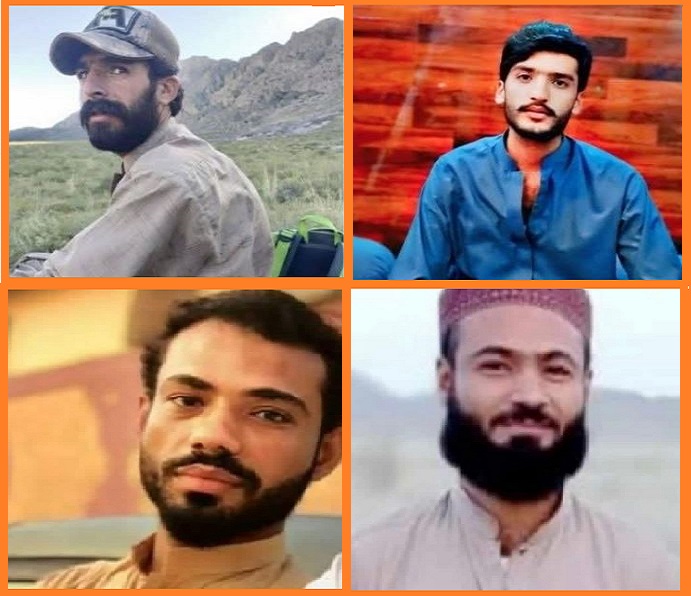
A stark reminder remains etched in Baloch nations’s collective memory is, December 17, 2010, during the visit of Chinese Premier Wen Jiabao to Islamabad, Pakistan’s military, under the pretext of “protecting Chinese interests”, abducted and murdered nine Baloch political workers. Their tortured bodies were dumped across Balochistan like offerings meant to appease Beijing. Among the victims were respected figures such as Mehboob Wadhela and Master Arif, who had peacefully opposed Chinese expansionist designs in Gwadar.
Adding insult to atrocity, state-controlled media aired news of the killings alongside coverage of Wen Jiabao’s meetings, as though the blood of the Baloch were proof of Pakistan’s loyalty to China.
Today, Beijing speaks the language of “healthcare” and “economic uplift,” yet refuses to utter a single word about human rights, the foundation upon which any genuine development must stand. What good are hospitals built atop the graves of those who demanded dignity? What prosperity can emerge from economic zones wrapped in barbed wire, guarded by military checkpoints, and surrounded by silenced voices?
If China truly seeks partnership in Balochistan, it must begin with humanity. Development without justice is not progress — it is occupation by another name.
Human rights are not Western inventions. They are universal responsibilities owed by every state to every people. Every bridge, port, or hospital built on the blood of the oppressed will one day collapse under the weight of truth.
Until that truth is acknowledged, no number of hospitals or economic zones can heal the wounds that China’s silence and Pakistan’s violence continue to deepen.
Balochistan does not reject development. It rejects development enforced through occupation, coercion, fear and dispossession. If China seeks to win the hearts of the Baloch, it must first recognize their right to live, speak and determine their own future.
Only then can any partnership be built — not in blood, but in dignity.