
Closed-Door Prison Hearing Sparks Outrage Over Continued Detention of BYC Leaders
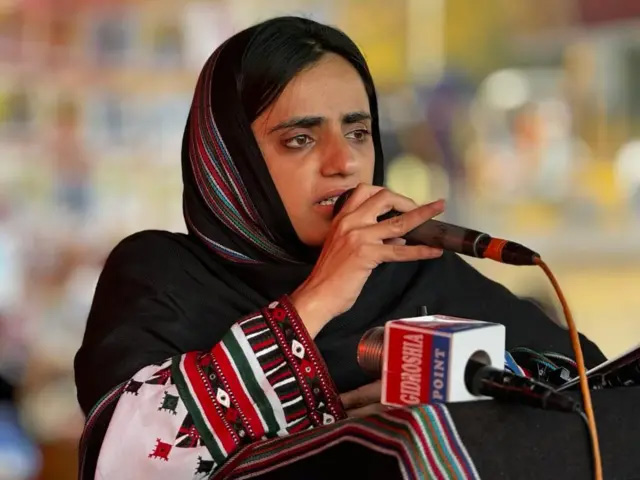
SHAAL (QUETTA): The judicial hearing of five detained leaders of the Baloch Yakjehti Committee (BYC), including prominent rights activist Dr. Mahrang Baloch, was held behind closed doors inside prison premises, bypassing a public courtroom, on Saturday.
The judicial remand for all five individuals has been extended by an additional ten days.
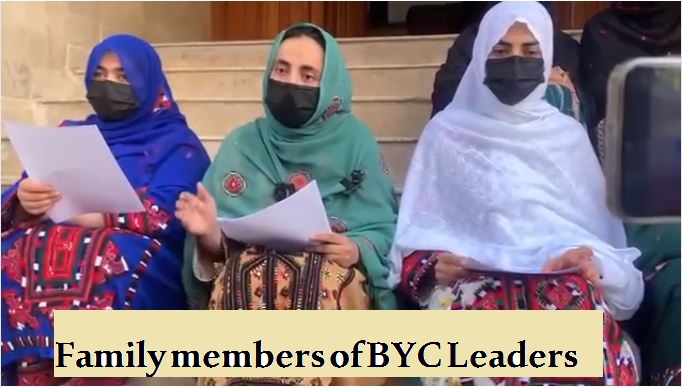
The BYC, in a press briefing following the hearing, decried the move as a “grave and deliberate attempt to suppress transparency” and a step towards “institutionalising the criminalisation of peaceful political dissent in Balochistan.”
The detained leaders — Dr. Mahrang Baloch, Beebow Baloch, Gulzadi Baloch, Beebarg Baloch, and Sibghatullah Shahjee — were arrested in March 2025 during a peaceful demonstration demanding accountability for enforced disappearances in the region. Their continued detention and treatment since then, the BYC says, have violated both Pakistan’s constitutional guarantees and international norms regarding fair trial and due process.
“The shift to jail hearings effectively bars families, journalists and independent observers from witnessing the judicial process,” the BYC stated. “This undermines public scrutiny and erodes the fundamental rights of the accused.”
According to the committee, the leadership has repeatedly been denied access to legal counsel and has faced multiple, unlawful, extensions of their judicial remand.
Legal experts and rights organisations have expressed growing concern over a systematic campaign to silence Baloch voices advocating for human rights and justice. “Holding hearings in prison rather than a court of law removes any semblance of openness or accountability,” said a legal analyst familiar with the case. “It sets a dangerous precedent.”
The situation has drawn condemnation from human rights groups both within Pakistan and internationally, with calls intensifying for the immediate release of the detained activists and a transparent investigation into the conduct of authorities involved in the case.
As the case enters yet another extended phase of judicial remand, questions continue to mount about the state’s handling of political dissent and the future of civil liberties in Balochistan.