Necropolitics and Subjugated Nations
By Sadiq Raisani Advocate
The concept of “Necropolitics” is a modern intellectual and political framework introduced in 2003 by Cameroonian philosopher and theorist Achille Mbembe. Building on Michel Foucault’s notion of biopolitics, necropolitics moves beyond the state’s control over life to explore its control over death, specifically, how power determines who may live and who must die.
Michel Foucault, in the 1970s, coined the term biopolitics to describe the state’s regulatory control over life, through health systems, reproduction, surveillance, and the management of bodies. Foucault’s focus was on how states seek to preserve life through institutional control.
In his 2003 essay Necropolitics, Achille Mbembe critiqued Foucault, arguing that many modern states no longer merely regulate life. They also manage death. Necropolitics defines state power as the ability to determine who should die, how they die, and whose death matters or doesn’t. This involves zombie politics, where populations are kept alive under extreme control, akin to a living death (e.g., prisoners, stateless people), and disposable people, referring to groups whose deaths are rendered politically and morally insignificant. It also draws from histories of colonial domination, where entire populations were controlled, erased, or slaughtered without consequence.
From the Holocaust and the Rwandan Genocide to the U.S. “War on Terror,” drone warfare, Guantanamo Bay, and more recently, the systemic suppression of dissent in countries like Syria and Balochistan, these are all manifestations of necropolitical power. Necropolitics has since become a foundational concept in political science, anthropology, philosophy and critical theory, particularly in the analysis of authoritarian regimes, militarised states, genocide, and enforced disappearances.
Among the most extreme and overlooked examples of necropolitics today is Balochistan, a region the British Empire divided between Pakistan, Iran, and Afghanistan. The Baloch nation has been subjected to some of the most brutal forms of state repression and erasure in modern geopolitics.
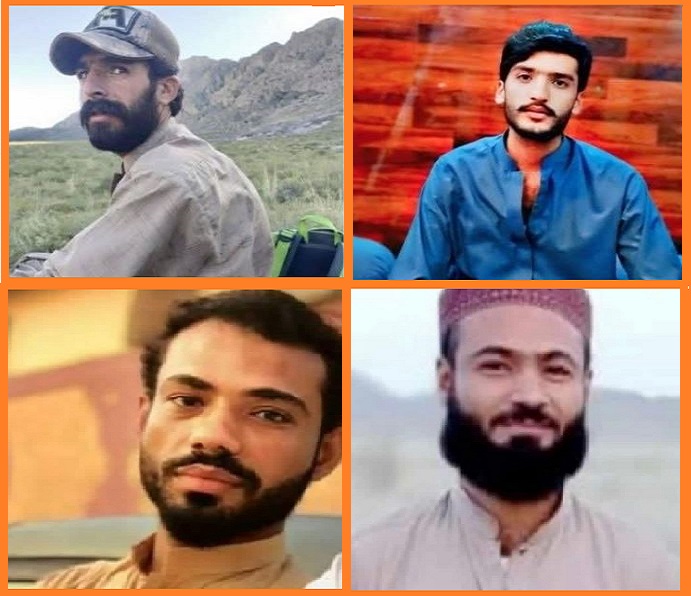
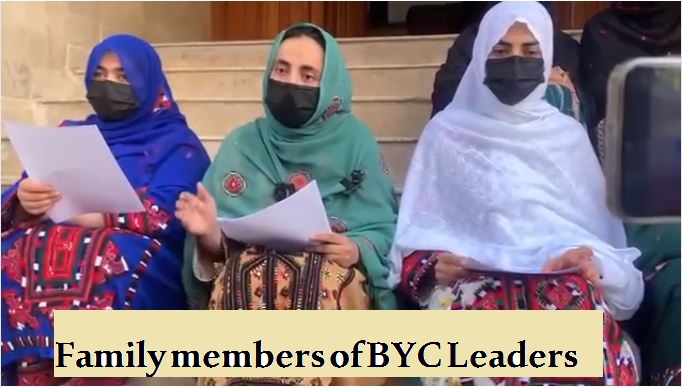
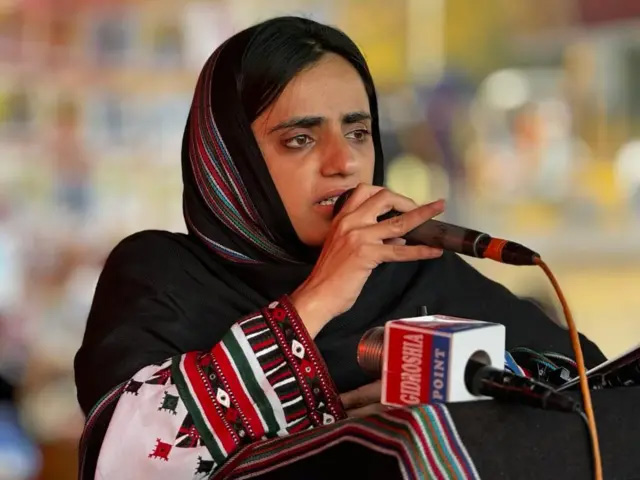
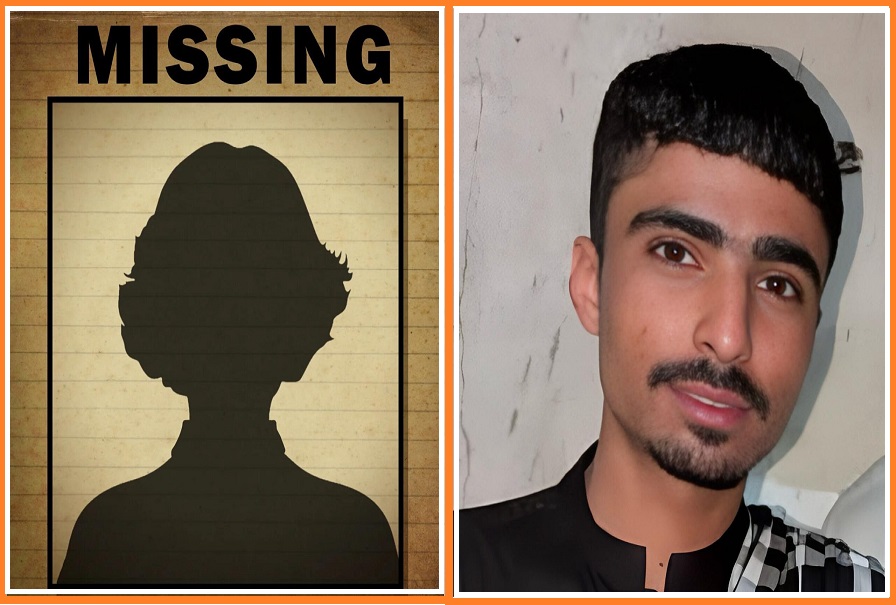
In Pakistan-occupied Balochistan, the Baloch population faces enforced disappearances, mass graves, military occupation, systematic abductions of Baloch men and women, political imprisonment under fabricated charges and the seizure of natural resources such as gas, minerals, and coastline, exploited without benefit to the local population. These actions are often shielded from scrutiny by media blackouts and restricted humanitarian access.
In Iranian-occupied Balochistan, there have been massacres during protests, such as the Bloody Fridays, where mosques were attacked by state forces. Executions of Baloch youth following questionable judicial processes, rape and abuse of Baloch women in custody and widespread cultural repression form a pattern of state-sponsored brutality. These actions amount to systematic genocide under the guise of national security. Balochistan, once a land of vibrant resistance, is being turned into a silent graveyard, where dissent is punished by death, disappearance, or social death.
The Baloch are not alone. Necropolitics operates on a global scale, targeting nations and minorities whose identities, languages, lands, or beliefs are considered threats to centralised power.
In China, over one million Uyghur Muslims are imprisoned in “re-education camps.” They face forced sterilisations, religious restrictions and language bans. Scholars like Adrian Zenz describe this as cultural genocide. The Tibetan people, since the exile of the Dalai Lama, have been denied religious and cultural freedoms. Monks are arrested as enemies of the state and systematic efforts to erase Tibetan identity continue. Other minorities such as the Manchus, Kazakhs and Mongols also face repression and cultural erasure. The Sinicization of culture in China represents a new form of colonialism enforced by the Han majority.
The Kurdish people, spread across Turkey, Iran, Syria and Iraq, continue to face nationalistic suppression. In Turkey, the state denies Kurdish identity, referring to Kurds as “Mountain Turks” and criminalising their language and culture. In Iran, Kurdish activists face executions, social isolation, and armed operations. In Syria, despite playing a key role in defeating ISIS, Kurdish self-governance efforts are ignored by the international community and their autonomy remains unrecognized.
Ahwazi Arabs in Iran, who inhabit the oil-rich region of Khuzestan, suffer systemic marginalisation. They are punished for their ethnic and linguistic identity, deprived of access to water, healthcare, education, and employment and are subjected to state racism.
Similarly, Azeri Turks and Turkmens in Iran have seen their languages purged from the education system and media. Activists who call for cultural and political rights are often imprisoned and tortured without due process.
In Latin America, indigenous nations in countries like Colombia, Brazil and Peru are being eliminated as obstacles to economic development. Environmental defenders and indigenous leaders such as Berta Cáceres have been assassinated. Militarised states, often working hand-in-hand with multinational corporations, conduct campaigns of displacement and ecological destruction.
In Africa, Amazigh populations in Morocco, Algeria and Tunisia have long faced cultural suppression. Their languages and identities were subordinated in the name of Arab nationalism. In regions such as South Sudan, Ethiopia and Nigeria, ethnic groups have been deprived of resources and are often pitted against one another through state-sponsored violence or neglect.
One of the most tragic examples of necropolitics in recent times is the Rohingya genocide in Myanmar. The military government forcibly expelled the Rohingya people, subjecting them to mass murder, rape and displacement—a clear example of organised genocide.
Achille Mbembe wrote: “The scales of death are prepared in the offices of the state.” Frantz Fanon declared: “Colonial oppression is not only political; it is biological—it takes your breath away.” Angela Davis emphasized: “Politics decides who deserves to live, and who must die.”
From Balochistan to Kurdistan, from the Uyghur camps to the Amazon, from Tibetan monasteries to the streets of Khuzestan—subjugated peoples are united by a shared struggle: the right to live, to speak, to exist. These forms of oppression rooted in neoliberal state power, militarised nationalism, and colonial legacies—continue to treat entire nations and ethnicities as expendable.
But across the globe, the resistance of these oppressed nations is growing. It is a resistance for life, freedom, dignity, and self-rule—a resistance against the very machinery of necropolitics.
Disclaimer: The views and opinions expressed in this article are solely those of the author and do not necessarily reflect the official policy or position of Baloch Warna News. The publication provides a platform for diverse perspectives.