Balochistan: Families of “Bloody Friday” Victims Report Neglect Despite Judicial Promises
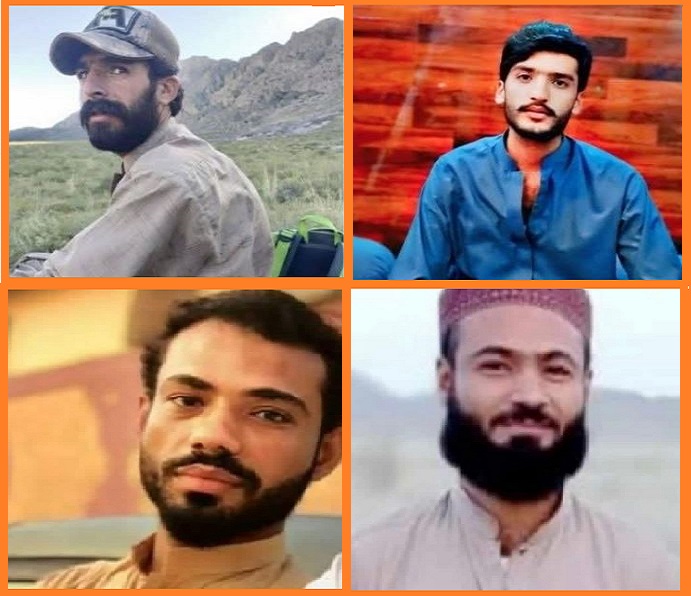
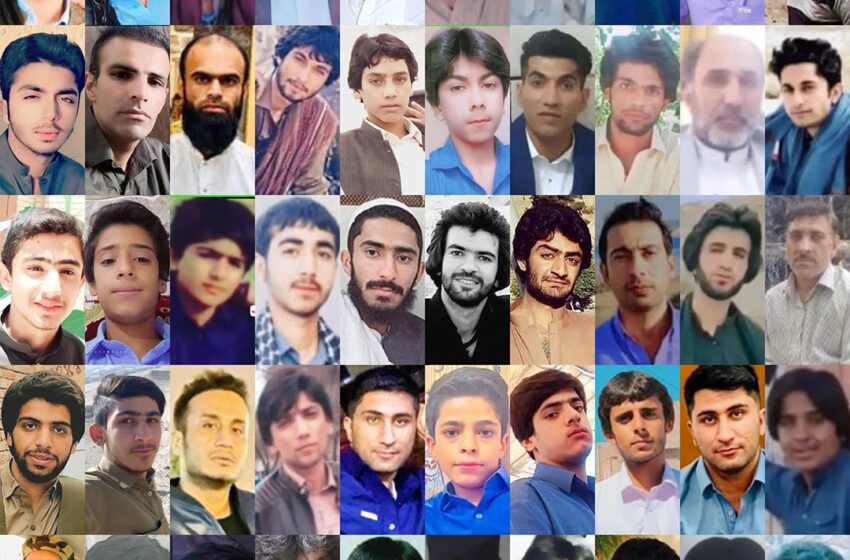
DOZAAP, BALOCHISTAN: Families of victims and injured from the “Zahedan Bloody Friday” incident have expressed frustration over continued neglect by judicial and administrative authorities, despite earlier promises of compensation and recognition of the deceased as martyrs.
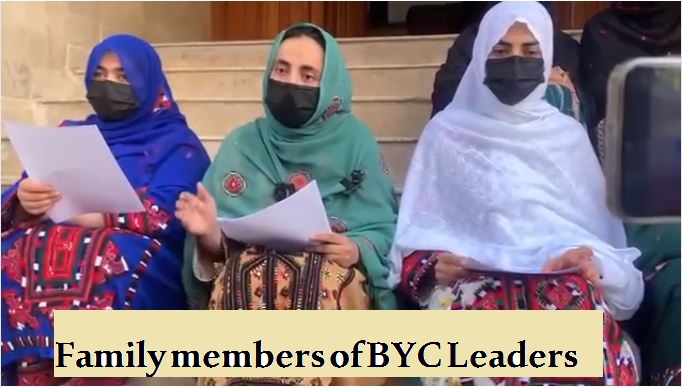
According to the Baloch Activists Campaign, relatives of those affected said that repeated visits to military courts, the governor’s office, and other institutions have yielded no answers. “They treat us with humiliation and disrespect,” said several family members. “They promised compensation and recognition for the wounded, but there has been no response and no follow-up.”
Interviews with seven families revealed that neither religious leaders, tribal elders, nor provincial officials have provided support or guidance regarding their grievances. The families emphasised that their repeated attempts to seek justice have been ignored.
This comes after Ali Moheydi Rad, head of the Justice Department of Iranian Occupied Balochistan, announced in September 2025 that the accused in the October 30, 2022 incident would face a maximum of 10 years in prison, claiming that the families’ demands had been met and compensation paid.
Following this announcement, officials, including Moheydi Rad, visited Makki Mosque in Zahedan to offer condolences to some families. However, the gesture sparked protests from citizens and relatives of the victims, who say it did not reflect the reality on the ground.
Field reports and family testimonies indicate that no clear mechanism exists to ensure victims’ rights, transparent judicial proceedings, or proper compensation. In the related Zahedan and Khash massacres, more than a hundred were killed and hundreds others injured, yet no officials or military personnel have been held fully accountable.
Analysts say the judicial approach in these cases demonstrates a systematic pattern of granting immunity to security forces involved in peaceful protesters’ killings. By issuing light sentences and symbolic compensation announcements, the Iranian state authorities are attempting to downplay responsibility and placate public opinion, while leaving victims’ families without justice.