10 December: International Human Rights Day and the Bitter Reality in Balochistan
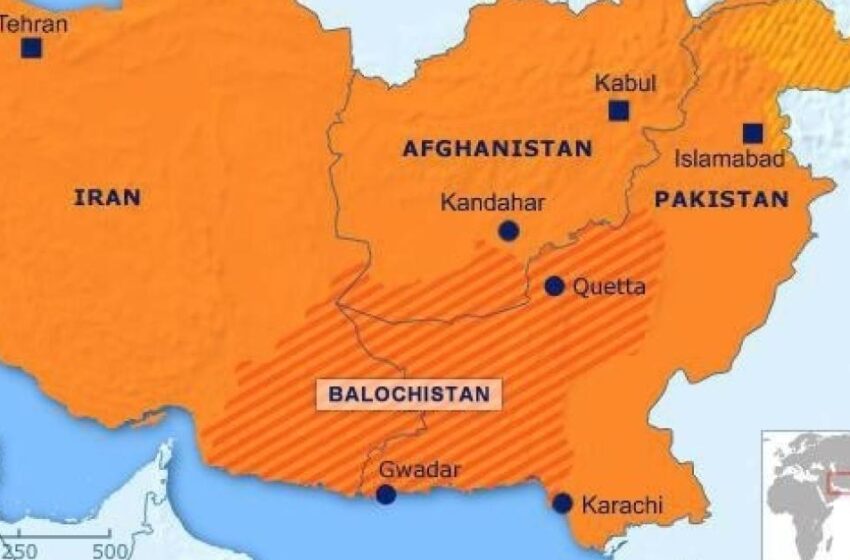
BW News Web desk: As the world observes International Human Rights Day, the Baloch Activists Campaign (BAC) has released a detailed statement describing decades of systemic discrimination, repression and chronic underdevelopment in Iran’s Balochistan region [Iranian Occupied Balochistan].
The group says the day, which globally symbolizes freedom, dignity and justice, holds a far more sombre meaning for Baloch residents who continue to face widespread human rights challenges.
According to the Campaign, authorities in Balochistan have replaced the rule of law with a security-driven approach that has created a persistent atmosphere of fear for local communities. The statement further added that residents face frequent violent encounters with security forces, including shootings, arbitrary arrests, torture in detention centres and the denial of basic rights to prisoners.
BAC reports that many families continue to struggle with forced disappearances, a lack of information about missing relatives, and heavy politically motivated charges brought by judicial and security agencies. Civilians who attempt to document or speak publicly about the region’s conditions—including journalists, activists and local organisers—are subjected to threats, summonses, arrests and extensive restrictions.
The Campaign in its report highlights widespread socioeconomic deprivation in Balochistan. The region remains one of the most marginalised areas of Iran, with persistent poverty, limited employment opportunities, inadequate healthcare and education infrastructure, recurring school closures, unstable access to water and electricity, periodic internet shutdowns, and overall insufficient public services.
BAC argues that these conditions are the result of long-term discriminatory policies rather than natural circumstances.
The statement draws particular attention to the dangers faced by Sokhtbar, or fuel carriers, among the poorest residents of the region, who undertake hazardous work to support their families. According to BAC, these workers regularly face the risk of being shot at, pursued, beaten or having their vehicles confiscated by security forces.
The group adds that day labourers, drivers and even people inside their homes may become victims of irresponsible or violent conduct by armed forces.
The Campaign also reports ongoing cultural and linguistic discrimination, saying that Baloch children are still denied the right to education in their mother tongue. Many schools, particularly in remote areas, lack teachers or remain entirely closed, which BAC says undermines the cultural identity and long-term prospects of Baloch youth.
In its statement, BAC notes that International Human Rights Day serves as a reminder that many people in Balochistan are still fighting for the most basic protections: the right to life, safety, dignity, education and freedom of expression.
The group calls on the international community to take greater responsibility and to pay more attention to the situation in Balochistan. It emphasises that despite efforts by authorities to suppress local voices, activists, families of victims and local media continue to document and publicize conditions on the ground.
The Baloch Activists Campaign concludes by urging global institutions and human rights organisations to use this day to amplify the concerns of Baloch citizens and to ensure that their struggles for fundamental rights are not overlooked.