New City Plan in Abkohi Sparks Fears of Displacement and Militarization in Jask
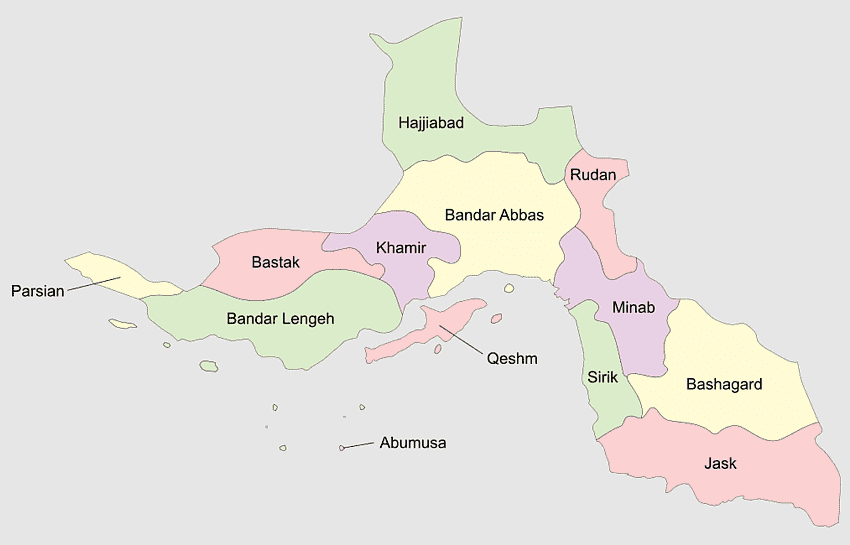
DOZZAAP, BALOCHISTAN: A newly approved government plan to establish 27 settlement cities across Iran, including a city named Makran in the Abkoohi region of Jask in Iranian Occupied Balochistan, has triggered widespread concern among local residents, community leaders and human rights advocates.
The decision, announced on Wednesday, December 3, 2025, by the Supreme Council of Urban Planning, is being criticised for its lack of transparency and the absence of consultation with indigenous communities.
Activists point to past development initiatives along the Makran coast, where large-scale state-led projects were implemented without public participation or adequate social and environmental assessments. These earlier experiences, they argue, resulted in adverse consequences for local populations, including land loss, environmental degradation and disruptions to traditional livelihoods.
The establishment of a new city typically involves extensive land acquisition, construction and changes in land use. In Jask, a region already experiencing increasing militarisation and major development plans, residents fear that the Abkoohi villages may face forced relocations or compulsory land seizures. The concerns are exacerbated by a longstanding lack of formal property documentation among Baloch communities, making them especially vulnerable to dispossession.
Observers warn that inserting a new city into this sensitive coastal area could deepen security-focused governance. Past phases of the Makran coastal development have been overseen largely by military and security bodies. A new city, they say, may bring additional checkpoints, tighter movement restrictions and intensified surveillance, potentially curbing residents’ civil liberties and economic activities. Critics also fear harsh security responses to any protests over land rights.
A significant portion of Abkoohi’s population depends on fishing, livestock herding and traditional agriculture. Large-scale construction and urban expansion could shrink access to coastal areas, reduce available grazing routes and diminish arable land. Locals worry that increased military presence and coastal industrialisation could severely restrict fishing zones, placing thousands of livelihoods at risk and worsening economic hardship.
New cities typically attract workers, investors, government officials and employees of major projects, many of whom arrive from outside the region. Local residents fear that such demographic changes could marginalize the indigenous Baloch population, potentially turning them into a minority in their own homeland. Rising land prices and living costs associated with new development projects also pose the risk of deepening inequality and forcing some families to relocate.
Environmental experts highlight that Abkoohi is a water-scarce and ecologically sensitive area. Establishing a new city with extensive infrastructure will likely increase water demand and place significant strain on the coastal ecosystem. Potential consequences include pollution, loss of natural vegetation and destruction of wildlife habitats, all of which could threaten local food security and daily life.
Community members and activists criticize the Iranian government for announcing the new city without involving local residents in the decision-making process. They argue that bypassing indigenous voices violates their right to participate in decisions that directly affect their lives and future. The lack of consultation, they warn, could deepen longstanding distrust between local communities and state institutions, potentially setting the stage for social conflict.
Human rights groups note that previous development projects in Baloch-inhabited regions have rarely delivered benefits to local communities. Instead, they say, such initiatives have contributed to marginalization, economic exclusion and disruption of traditional ways of life.