Balochistan Stands in Solidarity with Afghanistan: Hyrbyair Marri
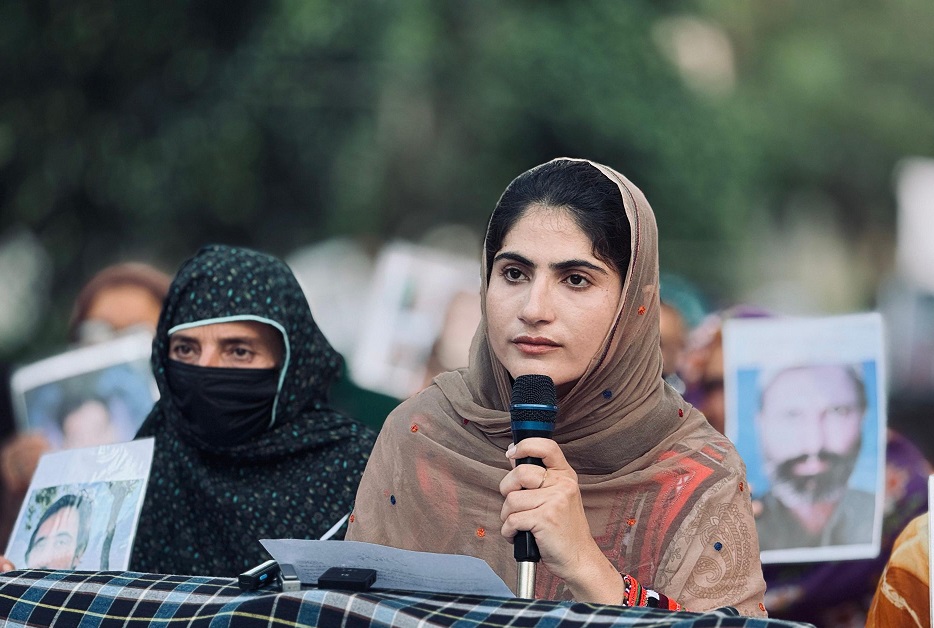
LONDON: In a deeply disturbing and tragic event, Pakistani airstrikes on a rehabilitation hospital in Kabul have led to the slaughter of at least 400 unarmed Afghan civilians, with more than 250 others reported injured. This latest attack has sent shockwaves through the region, with widespread condemnation from human rights organisations, governments and activists alike.
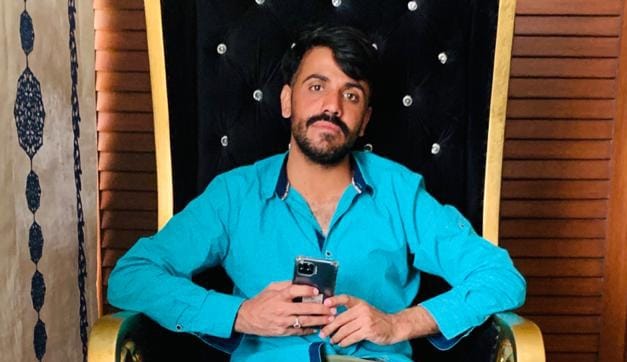
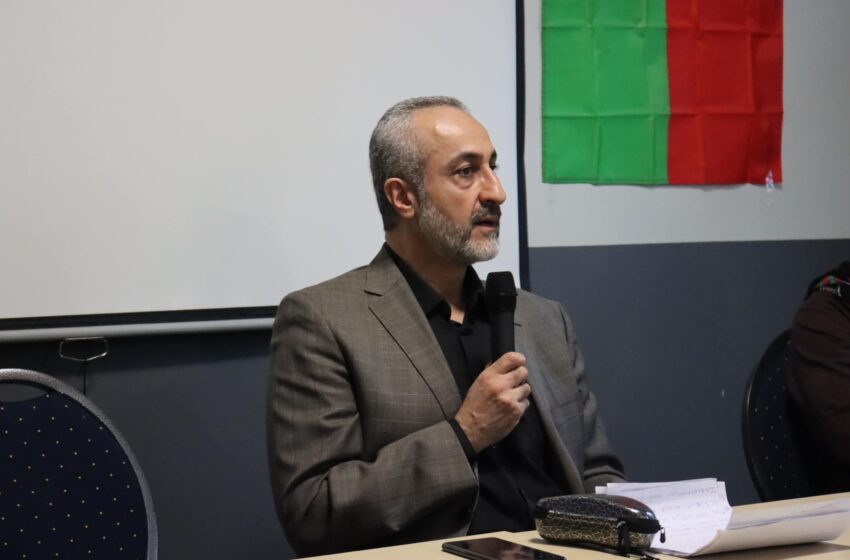
A Prominent Baloch leader, Hyrbyair Marri, president of the Free Balochistan Movement, has condemned the airstrike in the strongest terms, calling it “a heinous crime against humanity” and a continuation of Pakistan’s “Punjabi expansionist agenda.” Marri pointed out the hypocrisy of Pakistan, which self-proclaims itself as the “defender of the Muslim world,” yet continues to engage in violent acts of aggression against innocent civilians.
“The deliberate destabilisation of Afghanistan through state-sponsored violence and its barbaric attacks on innocent civilians and critical infrastructure must be defeated with unity,” Marri stated in a recent post on X (formerly Twitter). “I extend my deepest condolences to the bereaved and pray for the swift and full recovery of all those who have been injured.”
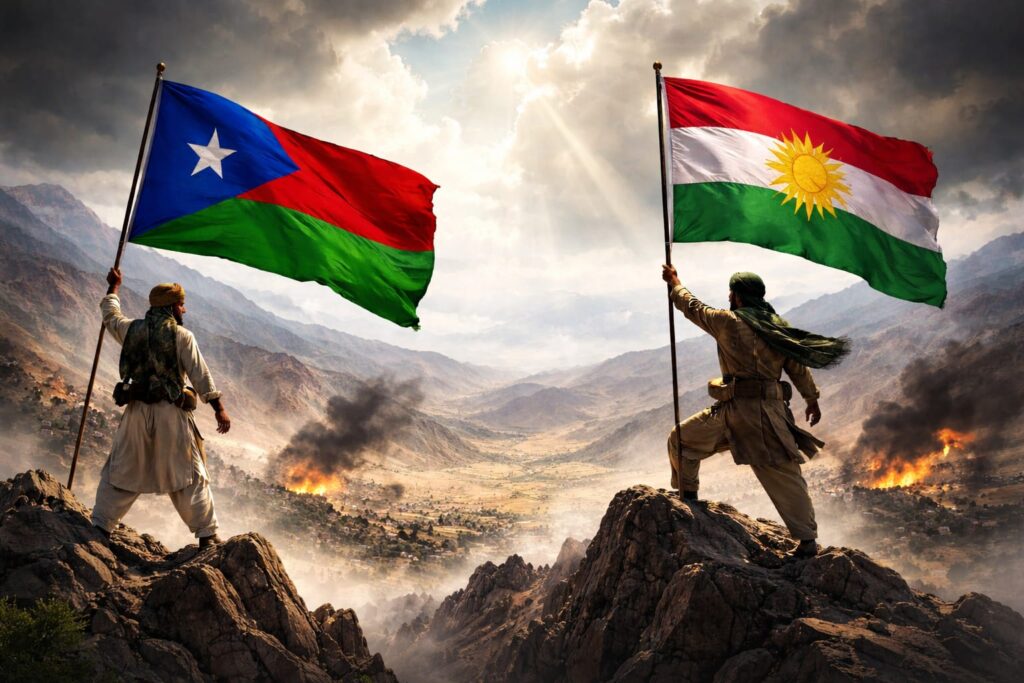
Marri’s statement highlights the historical relationship between Afghanistan and Balochistan, noting that the two nations have long shared a bond rooted in mutual respect and trust. He emphasised that the people of Afghanistan have supported the Baloch nation in the past, and Balochistan will continue to stand in solidarity with Afghanistan in the face of Pakistani aggression.
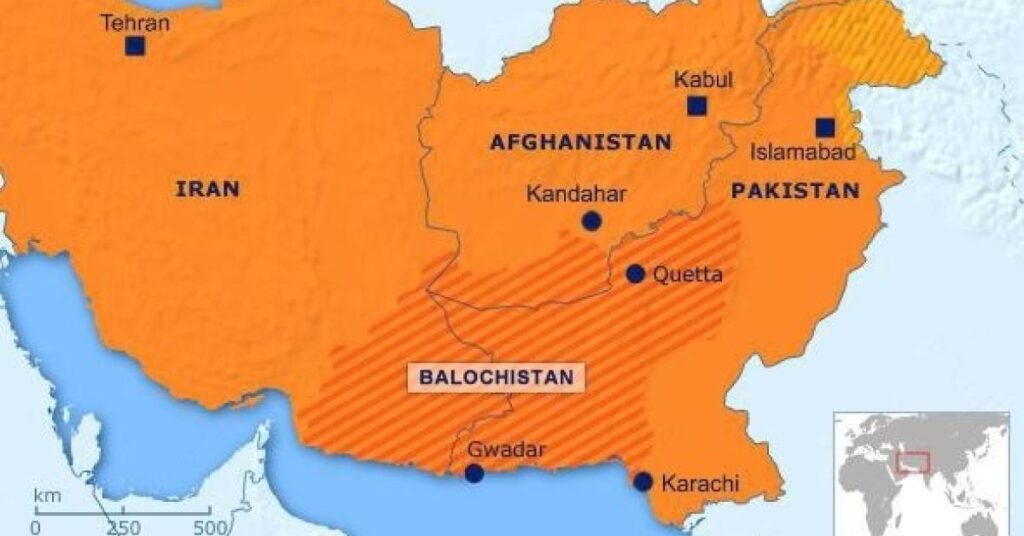
“The people of Balochistan and Afghanistan have shared a deep-rooted bond long before the artificial creation of Pakistan. Our histories, cultures, traditions, and borders are intertwined,” Marri added. “In times of hardship, the people of Afghanistan stood as trusted allies with the Baloch nation and we have always reciprocated that solidarity in their times of need.”
Pakistan’s ongoing military actions, including airstrikes and drone attacks on Afghan territory, are seen as part of its broader agenda of occupation and destabilisation in the region. Marri argued that Afghanistan’s instability has been largely caused by Pakistan’s illegal occupation of territories that rightfully belong to the Baloch and Pashtun peoples. He believes that lasting peace in Afghanistan will only be achievable when these occupying forces are expelled from both Afghan lands and the broader region.
“The Baloch nation reiterates its unwavering support for the people of Afghanistan,” Marri continued. “We stand shoulder to shoulder against Pakistani Punjabi aggression. A future of peace and prosperity lies in cooperation between our two nations.”
Marri’s call for unity goes beyond just Afghanistan and Balochistan. He sees a future where a sovereign, united Balochistan could serve as a gateway for Afghan trade, providing access to critical regional and global markets, including those in Central Asia and Europe. He believes this collaboration could be a vital step towards regional stability, benefiting both nations and creating opportunities for growth and prosperity.
Pakistan, according to Marri, has repeatedly demonstrated that it has no genuine interest in fostering peaceful relations with Afghanistan. Regardless of the regime in Kabul, Pakistan’s expansionist ambitions and anti-Afghan policies have only served to destabilise the region further.
“Pakistan is a cancer upon regional peace,” he declared, underscoring his belief that the situation in Afghanistan will not improve as long as Pakistan’s meddling continues.
Marri’s statement concludes with a powerful call to action: “This is a defining moment. Both nations must unite to defend our territories, protect our economic interests, preserve our shared cultural heritage, and strengthen the bonds of brotherhood. Together, through unity and determination, we can confront and overcome the forces that threaten our sovereignty and regional stability.”