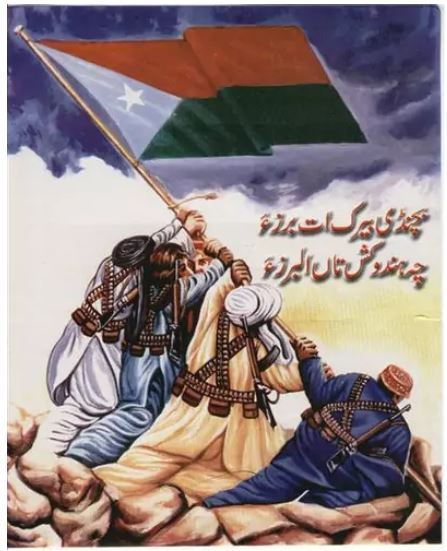
The Three Actors of Independence And The Baloch Movement
By Shoresh Baloch
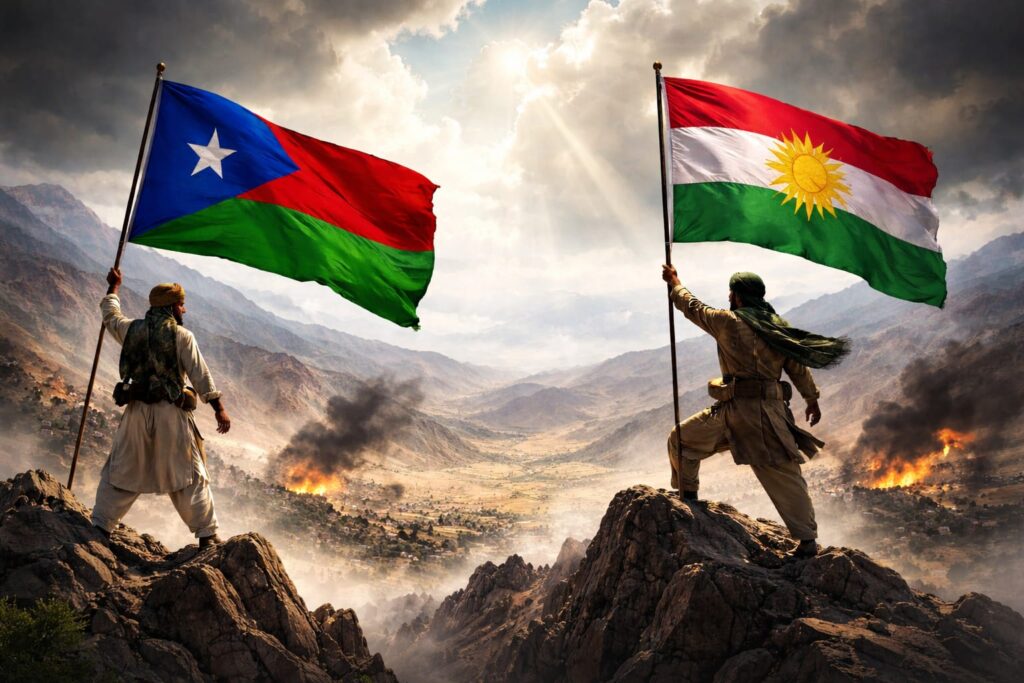
History makes one fact unmistakably clear: no modern struggle for independence is fought by two sides alone. There are always three decisive actors: the occupier, the occupied and the international community. While the first two confront each other on the ground, it is often the third actor that ultimately decides the outcome. Since 1945, no serious movement for self-determination has succeeded without, at the very least, the tacit support of the international community.
The post-Second World War order, built around the United Nations, transformed the nature of independence struggles. Recognition, sanctions, diplomatic pressure, and geopolitical alliances have become more powerful than bullets alone. Movements that understood this reality succeeded; those that ignored it were either crushed or indefinitely delayed.
Vietnam did not prevail in isolation; it was sustained by the strategic backing of Russia and China. Angola did not achieve its outcome without becoming a theatre of global power rivalry. The collapse of the former Yugoslavia was not merely an internal Phenomenon; it was shaped decisively by the intervention and recognition policies of the United States and the European Union.
In 1971, Bangladesh emerged as an independent state because India intervened militarily and shifted the balance of power. East Timor achieved independence only after years of sustained international pressure, led by the United Nations and supported by multiple states willing to act.
The lesson is not subtle; it is brutal in its clarity: without international engagement, independence movements rarely win.
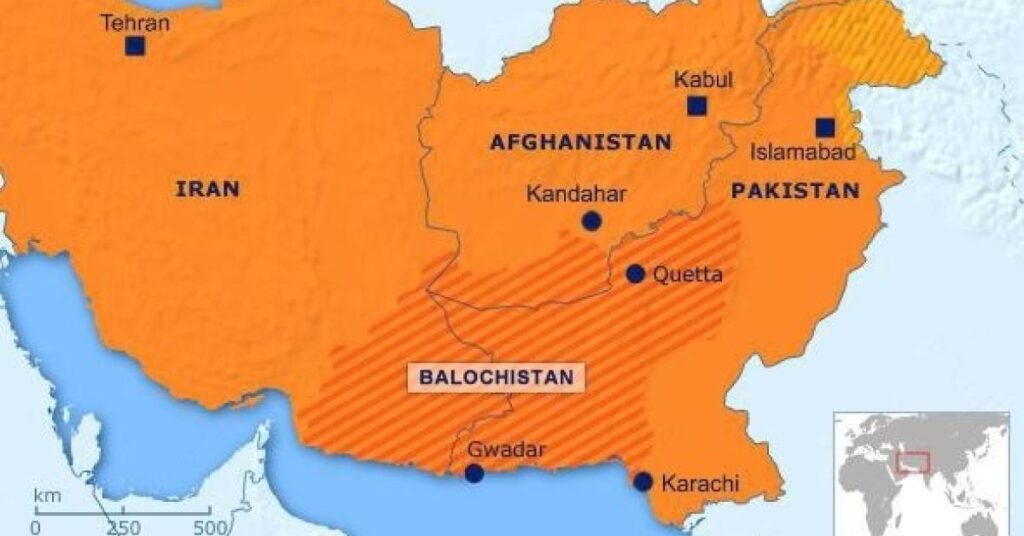
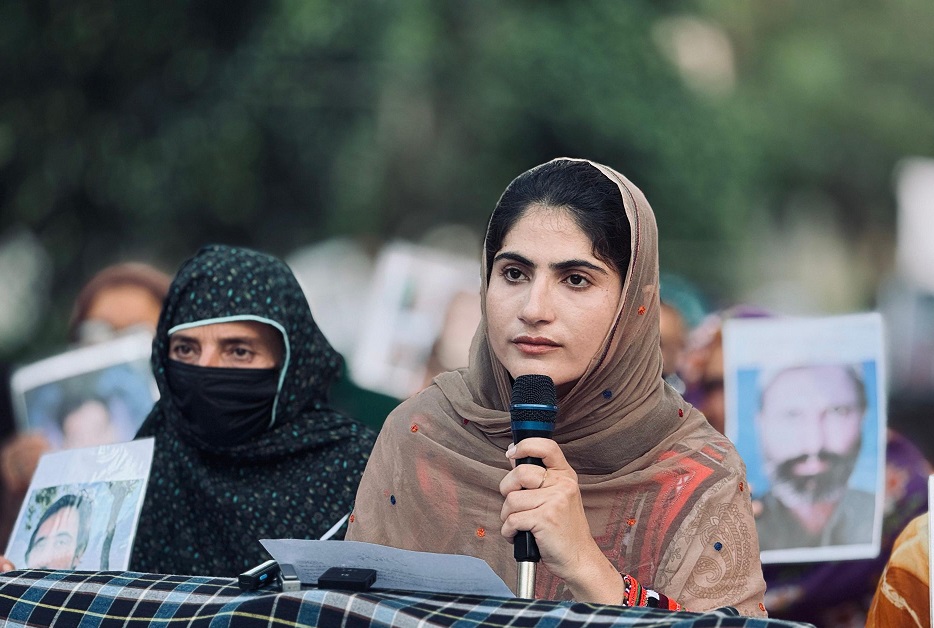
For decades, the Baloch struggle, particularly against Iran and Pakistan, has suffered precisely because this third actor was absent, indifferent, or aligned with the occupiers. The international community chose silence. It chose neutrality. At times, it chose complicity. As a result, the Baloch cause remained contained, regardless of the sacrifices made on the ground.
But geopolitics does not stand still. Alliances shift. Priorities change. Enemies are redefined. The enduring principle of global politics, “the enemy of my enemy is my friend”, continues to shape outcomes. Recent developments in the Middle East suggest a growing shift in international alignments, particularly in ways that increase pressure on Iran. This is not a guarantee of support, but it is an opening. And in politics, openings are everything.
The question, therefore, is no longer whether an opportunity exists. The question is whether the Baloch nation is capable of seizing it.
No movement can claim international legitimacy without first establishing internal strength. Political organisation, backed by the masses, is not optional; it is the foundation of success. The world does not support fragmented voices, divided leadership, or confused agendas. It supports clarity, discipline and unity. It supports movements that demonstrate not only resistance, but readiness.
The demand must be clear, unified and owned by the people: the independence of a united Balochistan from Iran and Pakistan. Without this clarity, no amount of external opportunity will translate into meaningful progress.
Equally, the dangers are obvious and immediate. Fragmentation, internal rivalries, weak leadership and lack of discipline do not merely slow a movement. They discredit it. They erode trust at home and destroy credibility abroad. A divided movement signals weakness to both its adversaries and the international community. It invites dismissal.
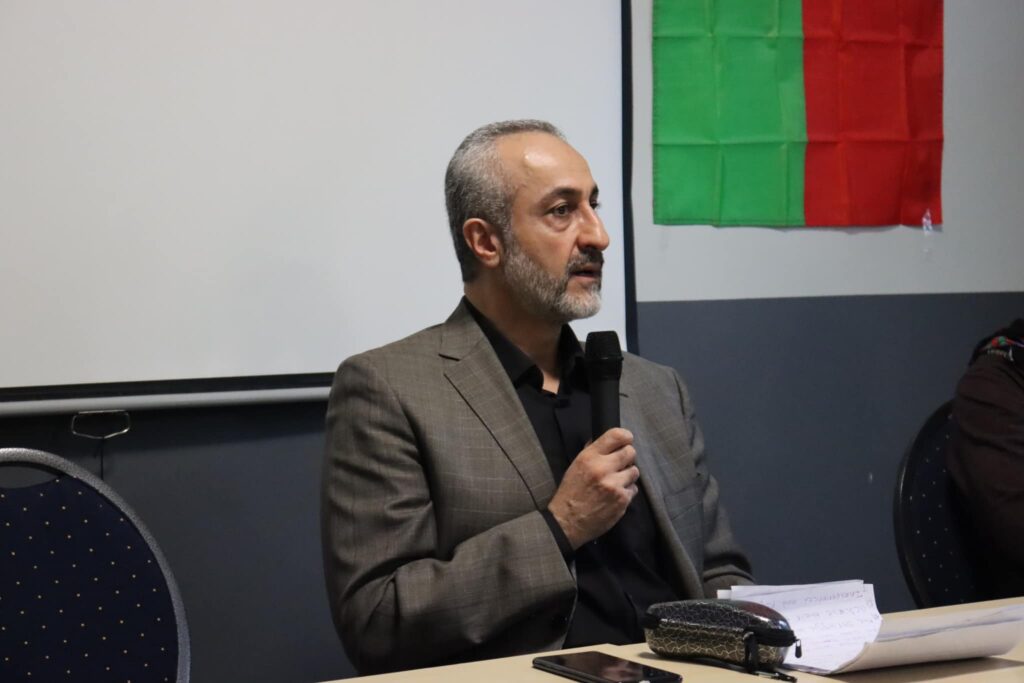
In this context, the role of organised political platforms becomes critical. The Free Balochistan Movement (FBM) has taken visible steps to internationalise the Baloch cause and present it on global forums. But advocacy alone is not enough. Without unified national backing, even the strongest diplomatic efforts will fall short.
History does not reward those who merely struggle. It rewards those who organise, unify, and act at the right moment.
That moment may now be approaching.
The choice before the Baloch nation is stark: remain divided and miss yet another historic opportunity, or unite with purpose, discipline and clarity to turn shifting global dynamics into a decisive advantage.
In the end, independence is not granted. It is secured. And in the modern world, it is secured not only on the battlefield, but in the arena of international power, where unity is strength, and division is defeat.
Disclaimer: The views and opinions expressed in this article are solely those of the author and do not necessarily reflect the official policy or position of Baloch Warna News. The publication provides a platform for diverse perspectives.