FBM Holds Protests in Europe Against Enforced Disappearances in Balochistan
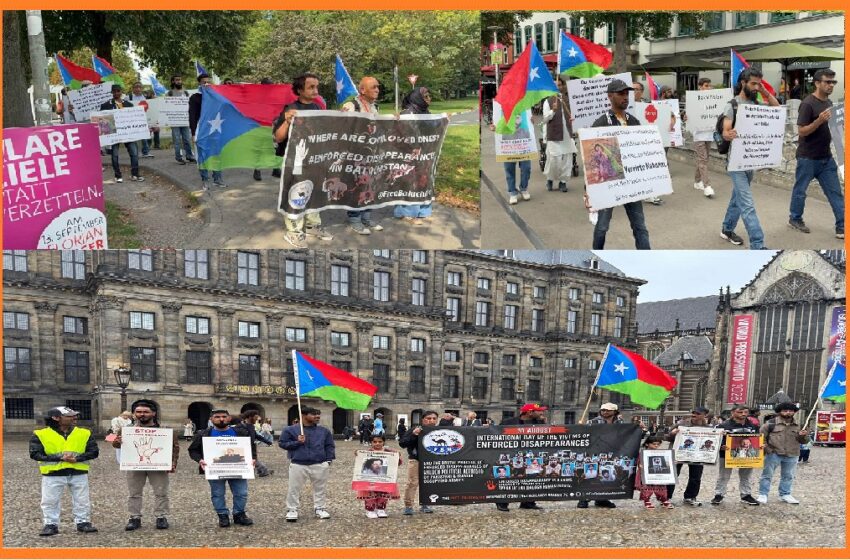
GÖTTINGEN, Germany / AMSTERDAM, Netherlands: The Germany and Netherlands branches of the Free Balochistan Movement (FBM) held demonstrations in Göttingen and Amsterdam to mark the International Day of the Victims of Enforced Disappearances, calling international attention to enforced disappearances and other human rights abuses in Balochistan.
In Göttingen, the protest was held on Friday from 2 p.m. to 4:30 p.m. Participants began at Bahnhofsvorplatz and marched through Goetheallee, Prinzenstraße and the city centre before gathering at Gänseliesel on the Marktplatz. Demonstrators carried banners and distributed German-language pamphlets outlining the FBM’s concerns about the human rights situation in Balochistan.
Speakers at the Göttingen rally included Ashfaque Baloch, Washma Baloch and Rasal Baloch. Naveed Ahmed moderated the event and delivered the closing address.
Ashfaque Baloch spoke about the historical and political status of Balochistan and the long history of repression against the Baloch nation. He added that Pakistani and Iranian security forces have been responsible for enforced disappearances. He said families are often forced to spend years without information about missing relatives.
Washma Baloch focused on the impact of disappearances on families, saying that every missing person represents a family left waiting for answers. She called for dignity, justice and the safe return of those who have disappeared.
Rasal Baloch accused Pakistan’s military establishment of using enforced disappearances, intimidation and violence to suppress Baloch political voices. He argued that such measures had failed to end opposition and instead strengthened the determination of some Baloch activists.
In his closing remarks, Naveed Ahmed called for investigations into abuses and greater international scrutiny of the situation. He urged authorities to disclose secret detention facilities and called for independent journalists, human rights organisations and UN Special Rapporteurs to be given access to Balochistan.
He also urged Germany and the European Union to make human rights a central element of their engagement with Pakistan.
A separate FBM demonstration was held in the Netherlands at Amsterdam’s Dam Square on August 30.
The protest highlighted cases of Baloch people who have been forcibly disappeared by Iranian and Pakistani security forces. The protesters emphasised that those affected include political activists, teachers, intellectuals, religious and social figures, as well as civilians.
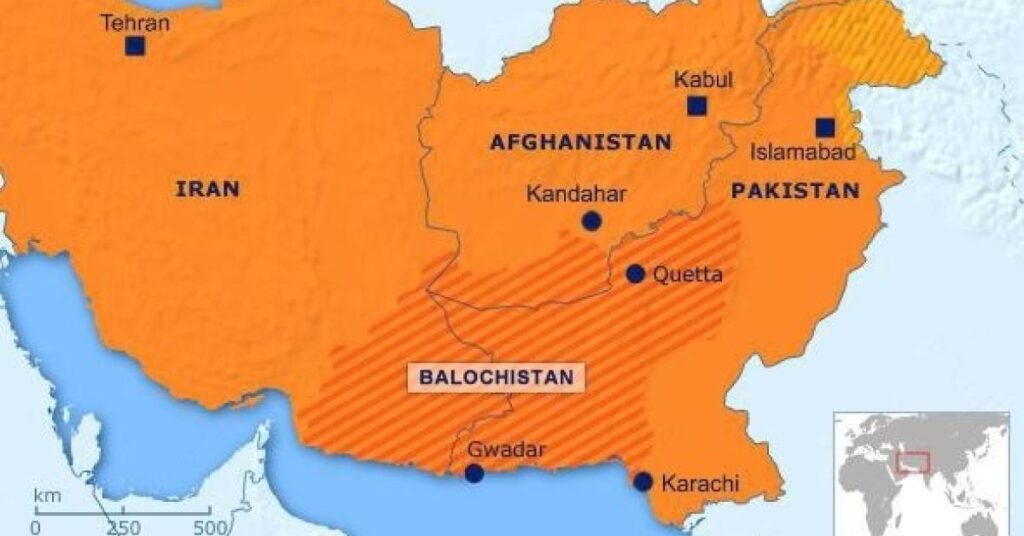
The Amsterdam protesters said both Iran and Pakistan were involved in longstanding repression, arbitrary detention, torture and enforced disappearances in Iranian- and Pakistani-occupied Balochistan. The protests were part of the FBM’s broader political campaign for Baloch rights and independence.
The FBM called on international institutions, human rights organisations and democratic governments to investigate abuses and hold those responsible accountable. It also urged greater attention to the impact of enforced disappearances on families who remain uncertain about the fate of relatives.
The demonstrations coincided with the international observance on August 30 dedicated to victims of enforced disappearance and their families. The FBM said the protests formed part of its continuing campaign to raise international awareness of the issue through peaceful advocacy.
The FBM activists reiterated that it would continue its activities in Europe until truth, justice, accountability and freedom are achieved.