Five Previously Disappeared Men, Including a Teacher, Killed in Custody
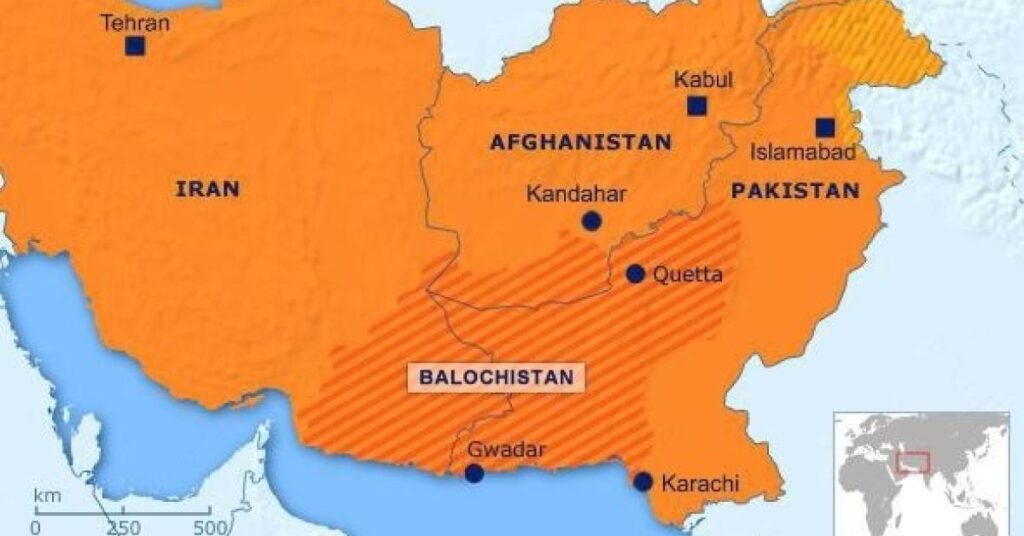
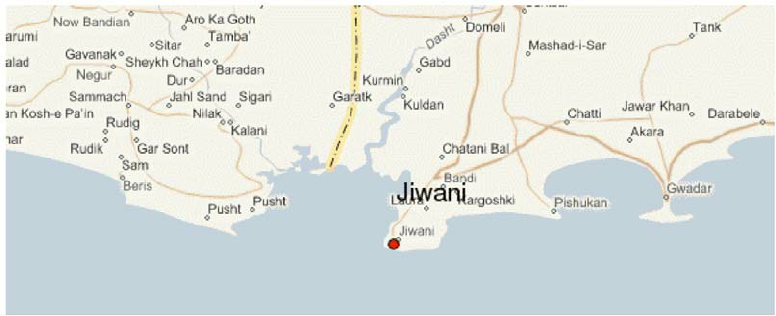
SHAAL, BALOCHISTAN: The bodies of five previously disappeared men were recovered from the Panwan area of Jiwani in Gwadar district, Balochistan, following a suicide attack on a Pakistan Coast Guard base in the same area.
According to families of the deceased and human rights advocates, the men had been in the custody of Pakistani forces before their deaths, and their bodies bore visible signs of torture.
The recovery followed a suicide attack targeting a Pakistan Coast Guard base in Panwan, Jiwani. After the attack, the Pakistani military announced that several armed militants had been killed during subsequent security operations. However, families and human rights advocates rejected those claims, saying that the five recovered bodies belonged to men who had been forcibly disappeared months or years earlier and were in state custody before their deaths.
According to Baloch human rights activists, the five men had been subjected to enforced disappearance before being extrajudicially killed by Pakistani security forces in the aftermath of the attack. Human rights groups maintained that the bodies were recovered after months of incommunicado detention and bore visible signs of torture.
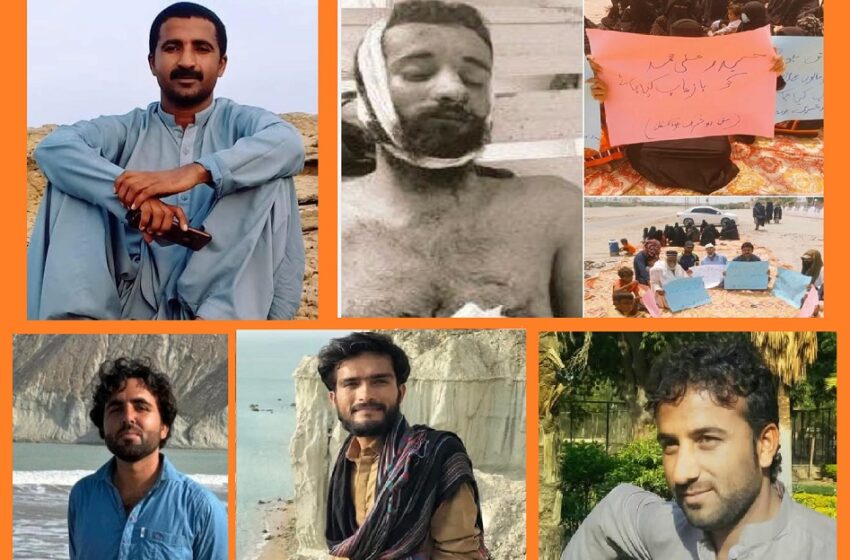
The deceased were identified as Muhammad Abdul Haq, a school principal and teacher from Mondi in Gwadar; Chakar Gulab, a 25-year-old shopkeeper from Baloch Ward, Gwadar; Peeri Assa, a 28-year-old fisherman from Rober Jiwani; Shah Bakhsh Umar, a 33-year-old fisherman from the same area; and Haider Ali, whose body was also recovered in Jiwani.
Human rights advocates said Muhammad Abdul Haq son of Muhammad Murad, was detained during a raid on his home on January 24, 2026, after which his whereabouts remained unknown. They said his family spent months searching for him while receiving assurances from government officials that he would be released, but those assurances never materialised.
Human rights advocates said Abdul Haq played a central role in supporting a family already affected by enforced disappearance. He was the uncle of Ali Haider, whose father, Muhammad Ramazan, was forcibly disappeared in July 2010 on the Makran Coastal Highway. Following Ramazan’s disappearance, Abdul Haq assumed responsibility for helping raise his brother’s children.
Another victim was identified as Chakar Gulab, a shopkeeper who was taken from his home during an early morning raid on May 12, 2025, and remained missing for more than 14 months. Human rights advocates said his body was later recovered with severe injuries, including extensive facial trauma, which they said indicated prolonged torture during his detention.
Peeri Assa, a fisherman from Rober Jiwani, was detained during a late-night raid on January 6, 2026. Human rights advocates said he remained forcibly disappeared for nearly six months before his death. They said that his body also bore visible signs of torture and severe physical violence, describing the case as part of a recurring “kill and dump” pattern in Balochistan.
Similarly, Shah Bakhsh Umar was taken from his home during a late-night raid on January 7, 2026, and remained missing for nearly six months before his body was recovered.
Human rights advocates said his body bore extensive injuries, including shattered facial bones, and argued that his case reflected a recurring pattern in which previously disappeared individuals are later presented as militants following major security incidents.
The fifth victim was Haider Ali, whose body was recovered in Jiwani months after his family publicly campaigned for his safe return following his disappearance in August 2025. His family said local authorities had assured them he would be released after initial investigations. However, human rights advocates allege that he was later killed in custody and that his body was dumped alongside the other four victims.
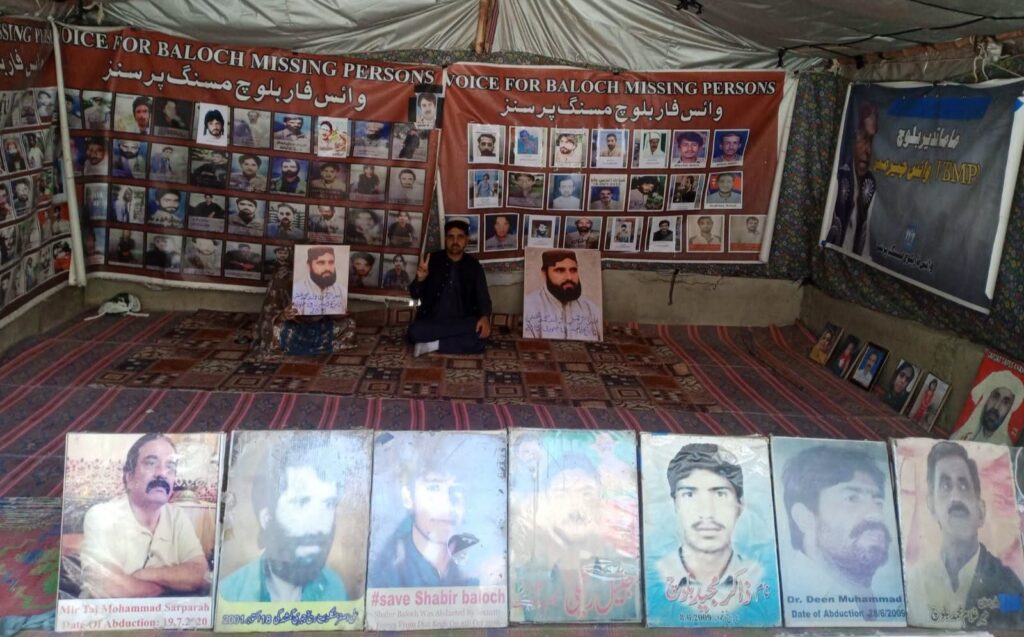
The Baloch Yakjehti Committee (BYC), families of the deceased and other human rights organisations say that the deaths reflect a recurring pattern in Balochistan in which previously disappeared individuals are later found dead following security operations and subsequently portrayed as militants killed in armed encounters.
They maintained that all five men were civilians whose disappearances had been documented long before their deaths and called for independent investigations into the circumstances surrounding the recoveries.
Human rights advocates further added that Gwadar has become one of the areas most affected by enforced disappearances and extrajudicial killings despite being promoted as a symbol of development. They said fishermen, teachers, students, labourers and shopkeepers have been among those subjected to enforced disappearance across the province.
The latest deaths have intensified concerns over allegations of enforced disappearances, custodial torture and extrajudicial killings in Balochistan. Families of the victims continue to demand answers about their relatives’ disappearances and deaths.