Balochistan: Targeted Killings, in-custody murder and Enforced Disappearances Intensify
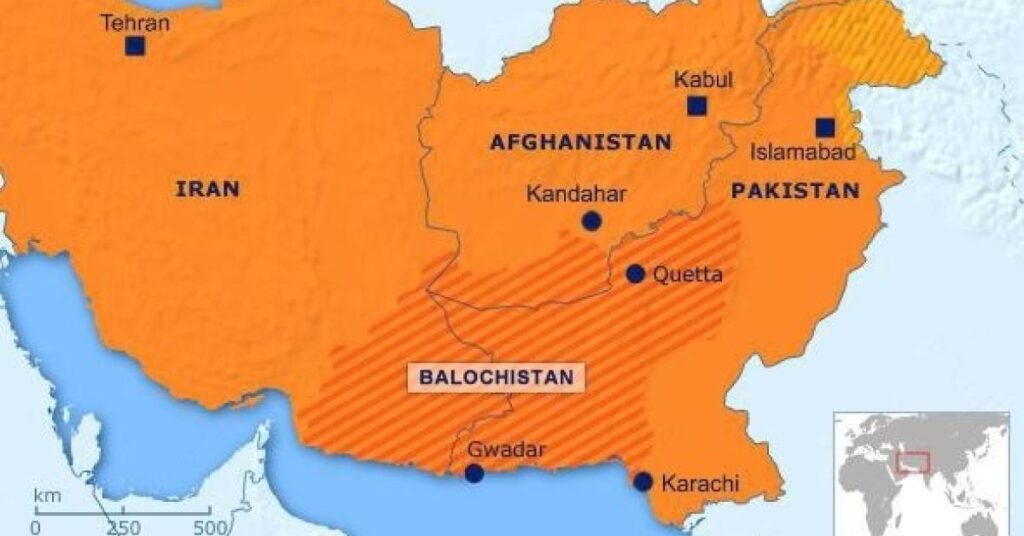
SHAAL (QUETTA): A series of deaths reported across Balochistan on September 17 has brought renewed attention to Pakistan forces’ atrocities and human rights violations, including targeted killings, enforced disappearances, torture and extrajudicial executions, with families describing prolonged periods of fear and uncertainty before receiving the bodies of their loved ones.
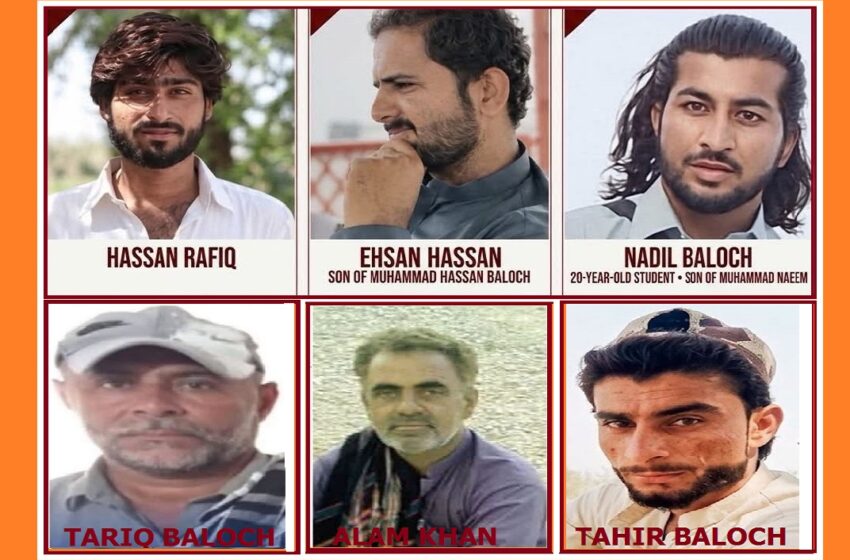
According to the information, the incidents include the killing of 24-year-old Tahir Baloch in Malant, Tump, and the subsequent death of his father, Tariq Baloch, a 40-year-old police constable who was critically wounded in the same attack. Tahir was killed on September 12 when armed attackers from Pakistan state-sponsored “death squads” opened fire on him. Tariq sustained serious injuries and remained in hospital for five days before dying on September 17.
The deaths left one family mourning both a son and his father within the space of several days.
The same day, 47-year-old farmer Alam Khan, a resident of Sohrdap in Gresha, Khuzdar, was killed while returning home from a wedding with friends. Sources reported that armed men opened fire on the group, killing Alam Khan and injuring his friend Barkat Azeem. The incident presents another grim reality of insecurity faced by civilians across Balochistan, where ordinary activities such as attending family and community gatherings can expose people to violence.
In Gwadar district, three separate cases involved the discovery of bodies belonging to men who had previously been reported missing after their enforced disappearances at the hands of Pakistani security forces.
Hassan Rafiq, 26, from Singani Sar, Turbat, was taken from Star Plus Market in Turbat in September 2025 by Frontier Corps, Military Intelligence and the Counter Terrorism Department officials. His family subsequently pursued legal remedies and paid five lakh rupees (500000) for his bail. Hassan was granted bail and released on August 14, 2026.
However, following his release, Military Intelligence personnel stopped Hassan in front of the Hub Chowki Court and took him away again in the presence of his family. Thirty-four days later, on September 17, his body was discovered in Kuldan, Dannuk, Gwadar, alongside the bodies of two other men.
The source says Hassan’s body showed signs of severe violence and gunshot wounds. His case therefore raises questions about the circumstances of his second disappearance, the authority under which he was taken into custody after his court-ordered release, and the circumstances surrounding his death.
The other two bodies were identified as those of Nadil Baloch and Ehsan Baloch.
Nadil, a 20-year-old student from Pawan, Gwadar, was taken from his home at approximately 1:30 a.m. on April 19, 2026, by personnel identified as belonging to the Frontier Corps and Military Intelligence. His family spent five months without information about his whereabouts. His body was subsequently found in Kuldan, Dannuk, on September 17.
Ehsan Baloch, 29, from Kohsar Bazar in Jiwani, Gwadar, was a graduate of the Science Department at the University of Turbat. He was taken from his home at approximately 1 a.m. on January 22 by personnel identified as Military Intelligence and the Counter Terrorism Department.
His family received no information about his whereabouts for eight months before his body was found in Kuldan, Dannuk, on September 17. Ehsan’s body, like the other two victims, bore signs of severe violence and torture.
Taken together, the cases described point to a sequence of violations involving killings, disappearances and the discovery of bodies after prolonged periods in which families were deliberately kept in the dark about the whereabouts of relatives.
The incidents also highlight the profound impact on families of people who disappear after being taken into custody or who are killed in armed attacks. Families can spend months seeking information through courts, lawyers and public appeals, only to receive news of their loved ones either being killed in staged encounters or tortured to death in Pakistani forces’ custody.
The report concerning Hassan Rafiq is particularly significant because he had obtained bail through the judicial process before being taken away again just outside the court and in the presence of his family. Establishing the circumstances of his detention, the legal basis for his removal, his subsequent treatment and the events leading to his death would require a transparent investigation involving relevant authorities and independent oversight.
The information detailed in these cases concerns fundamental rights, including the right to life, liberty and security of person, and protections against arbitrary detention and torture. International human rights law places obligations on states concerning these rights, while allegations of unlawful killings or enforced disappearance ordinarily warrant prompt, effective, independent and impartial investigation.
The cases of unabated state-sponsored human rights violations need urgent attention from international human rights organisations, United Nations mechanisms and governments to monitor developments in Balochistan and seek clarification from the state of Pakistan regarding the issue of ongoing enforced disappearances, extrajudicial killings, arbitrary detention and torture.