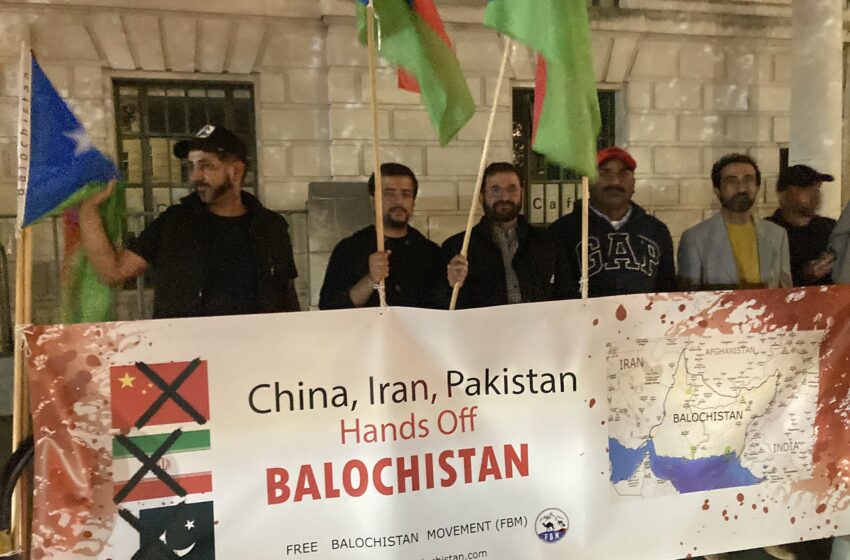
Free Balochistan Movement Protest outside Chinese Embassy London
Pakistan to Restrict Movements of Chinese Nationals During SCO Summit
ISLAMABAD: The Pakistani government has imposed strict restrictions on the movements of Chinese nationals across the country. This decision comes just days after a bomb blast near Karachi’s international airport resulted in the deaths of two Chinese engineers and injured another.
The new measures are set to be in effect from October 14 to 17, coinciding with the upcoming Shanghai Cooperation Organisation (SCO) summit scheduled for October 15 and 16 in Islamabad. This regional organization includes nine member countries, such as China, India, Iran, and Russia. Chinese Prime Minister Li Qiang is anticipated to arrive in Islamabad before the summit.
Multiple sources from Pakistani security agencies informed Reuters that all types of movement for Chinese nationals, including intra-city and inter-city travel and access to airports, will be restricted during this period. The directive aims to ensure security in connection with the SCO summit and the various delegations expected to attend.
Three senior security officials confirmed that Chinese authorities have been informed about these restrictions. One official, speaking on condition of anonymity, emphasised the importance of communicating this message to Chinese nationals so they can adjust their schedules accordingly. The directive clearly stated that any violations during this timeframe would not be tolerated.
This suicide attack in Karachi marks the latest incident targeting Chinese nationals in Pakistan, particularly over the last four years. Earlier this year, a similar attack in March resulted in the deaths of five Chinese engineers working on a hydropower project.
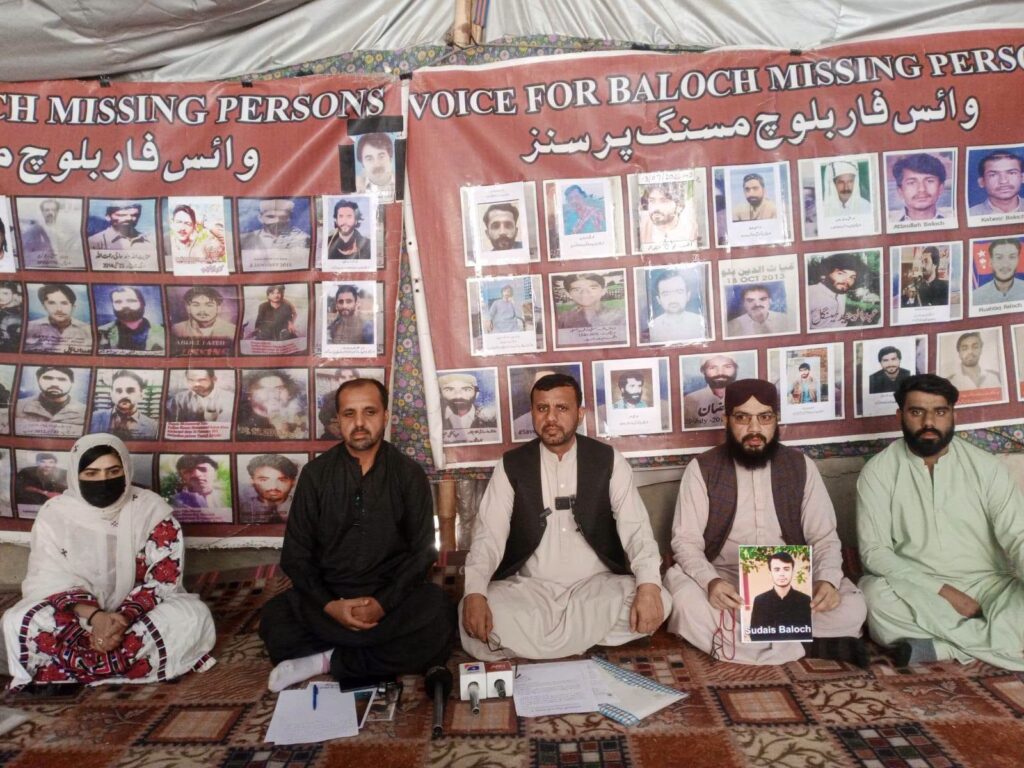
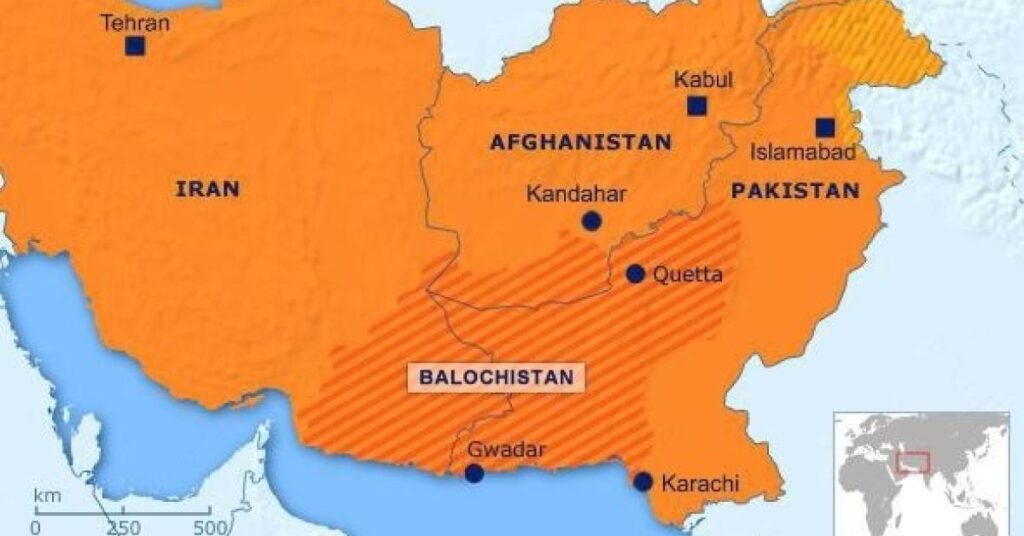
Baloch pro-freedom organisations have been increasingly targeting Chinese workers in Balochistan and Pakistan, alleging that China supports the Pakistani government against the Baloch freedom struggle and is complicit in human rights violations.
These groups argue that the China-Pakistan Economic Corridor (CPEC) is aimed at altering the demographic makeup of Balochistan, effectively marginalising the Baloch people in their own homeland.
In light of these increasing threats, the Beijing government has urged Islamabad to implement more stringent security measures to protect Chinese citizens working in Pakistan.
As tensions rise, the Pakistani government faces mounting pressure to enhance the safety of foreign workers amid escalating militant activities targeting Chinese interests in the country.
The developments underscore the growing challenges Pakistan faces in ensuring the safety of foreign nationals while addressing the security concerns posed by militant groups operating in the region.