Baloch and Missed Opportunities
Many nations struggle to achieve freedom. Others do not engage in direct conflict, but instead take advantage of favourable opportunities. Then there are nations like the Baloch: a people who have resisted, fought, and sacrificed. Yet have consistently failed to capitalise on key historical moments.
The Baloch have had significant opportunities at least twice in modern history to strike a decisive blow against their occupiers. Unfortunately, in both cases, these opportunities were not properly utilised.
During the Bangladesh Liberation War, when the Pakistani military was deeply engaged in a major conflict, the Baloch had a clear opening. However, apart from some areas most people from other regions in Balochistan lacked a freedom-oriented mindset, and thus failed to act decisively.
Although the Baloch did attempt to rise up following Bangladesh’s independence, the movement lacked collective and centralised leadership. Pakistan, with support from Iran, managed to suppress the Baloch liberation ambitions—at least temporarily—forcing many Baloch activists and fighters into exile in Afghanistan.
Another major opportunity came during the 1979 Iranian Revolution and the subsequent Iran–Iraq war. Had the Baloch acted with greater unity and purpose, they might have succeeded in securing their freedom. Yet once again, the chance was squandered. At that time, the majority of the Baloch population lacked a strong sense of national independence.
Only a small number of politically active youth—mainly affiliated with Iranian communist parties—carried a vague or minimal notion of self-determination. Meanwhile, the Baloch religious scholars, who held considerable influence within the community, were largely content with the establishment of an Islamic government.
Now, fifty years later, new murmurs are being heard—suggesting that yet another window of opportunity may be opening for the Baloch nation. However, if the Baloch once again remain disorganised and passive observers, they risk losing this moment as well, further prolonging their occupation and oppression.
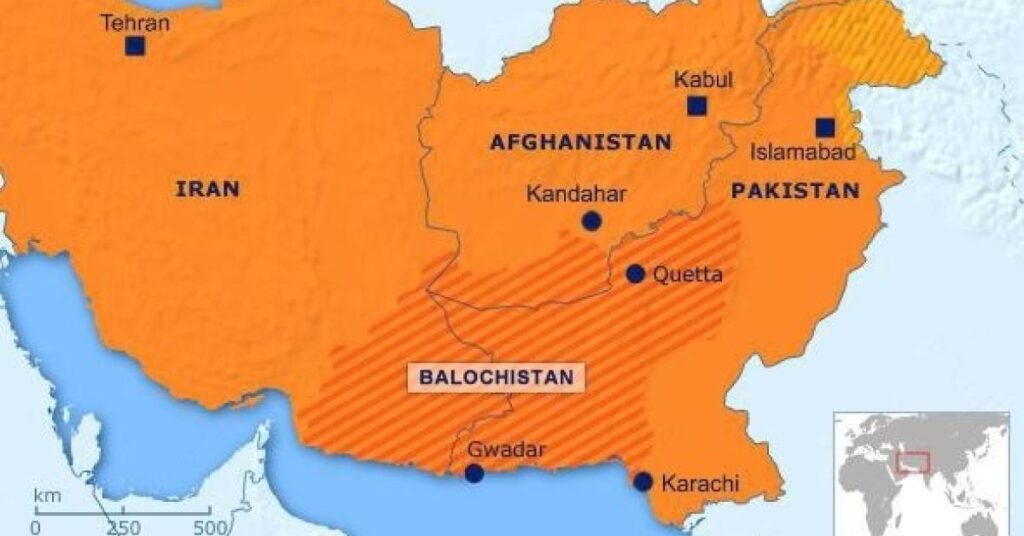
Both the Pahlavi monarchy and the Islamic Republic have clearly demonstrated that Balochistan is treated as an occupied land, and that merely changing the ruling regime in Iran will not alter the fate of the Baloch people.
Only full independence can ensure the development, security, and prosperity of Balochistan.
Today, the ongoing Iran–Israel conflict and rising Pakistan–India tensions present yet another critical juncture. This could be a rare moment for the Baloch nation to mobilise its collective strength and prepare strategically to take advantage of regional instability. However, Baloch leaders must act wisely and avoid becoming pawns in these broader geopolitical conflicts.
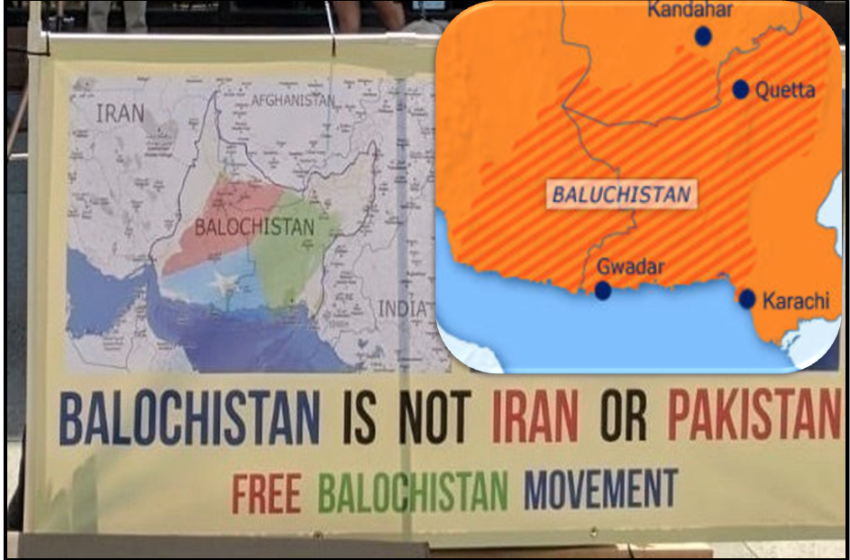
Unity is the key. The Baloch must demonstrate political cohesion and show the international community that even if the regime in Tehran changes or Pakistan’s current government is replaced with another toothless parliament, the Baloch national question will remain unresolved until Balochistan is recognised as an independent nation—separate from both Iran and Pakistan.
A free Balochistan has the potential to become a vital political, strategic, and economic partner of the international community. It can serve as a stabilising force and a key regional hub, keeping watch over unruly and authoritarian states like Iran and Pakistan, which repeatedly attempt to blackmail the world with their nuclear ambitions and jihadist networks.
The Baloch must remain vigilant, organised, and proactive—seizing every opportunity with clarity of purpose and unity of vision.