Balochistan’s Wildlife: Hunted, Sold, Forgotten
By Hani Askani
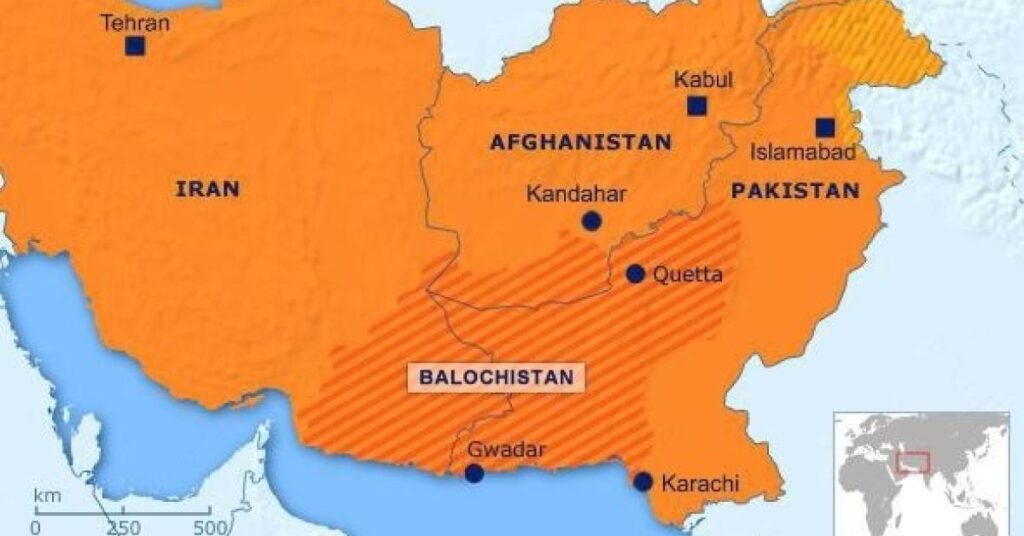
Balochistan, vast, wild, and deeply misunderstood, is home to some of South Asia’s rarest wildlife. Its deserts lie along ancient migratory routes, where birds like the Houbara Bustard have long found refuge. But today, that refuge is under threat — not just from poachers, but from policies that turn wildlife into currency.
Each winter, the Houbara travels from Central Asia to Balochistan but rather than protection, it finds itself the target of state-sanctioned hunting, granted to Gulf royal dignitaries who arrive with falcons and firearms, aided by special permits and diplomatic hospitality.
Despite being classified as a vulnerable species, the Houbara is hunted down and slaughtered in large numbers. The justification? “Tradition,” “foreign relations,” and hollow promises of conservation funding. But the truth is clearer to those who live on this land: Balochistan’s resources are offered to outsiders without the voice or consent of its own people.
This pattern is not limited to birds. It reflects a broader dynamic — where the land, its minerals, its coast, and its ecosystems are managed from afar, treated more like a frontier than a homeland.
What is being lost is more than just wildlife. It’s a deep connection between people and land. It’s the right to decide what happens to one’s own environment.
If justice is ever to be done, it must begin with this recognition: Balochistan’s natural heritage is not for sale and no foreign guest should hold more power over its skies than the children who grow up beneath them.
Disclaimer: The views and opinions expressed in this article are solely those of the author and do not necessarily reflect the official policy or position of Baloch Warna News. The publication provides a platform for diverse perspectives.