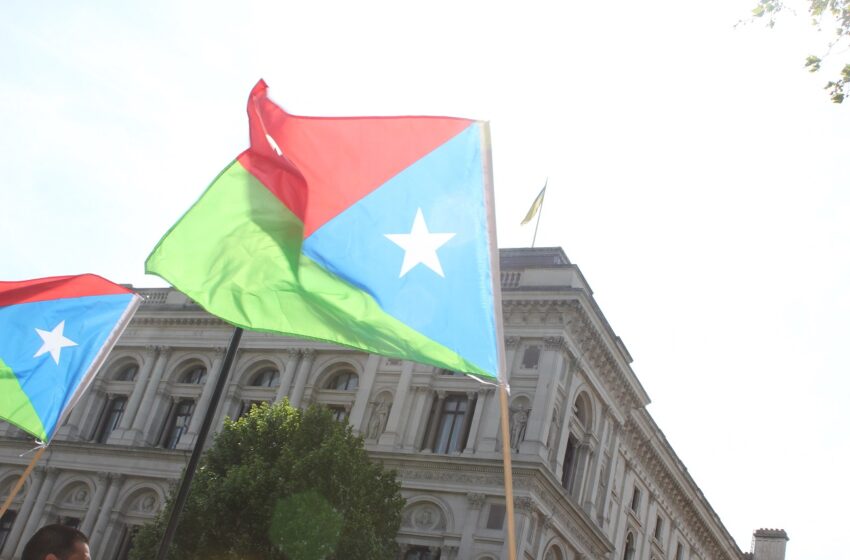
Flag of Balochistan
The Baloch Nation’s Rights to Self Defence
In a troubling yet familiar move, the United States has designated the Balochistan Liberation Army (BLA) as a terrorist organisation — a decision that has been celebrated by Pakistani state institutions and echoed uncritically by its media apparatus.
This development, however, reflects a deeper failure: the international community’s continued reliance on state narratives over facts, and its unwillingness to engage with complex realities on the ground in Balochistan.
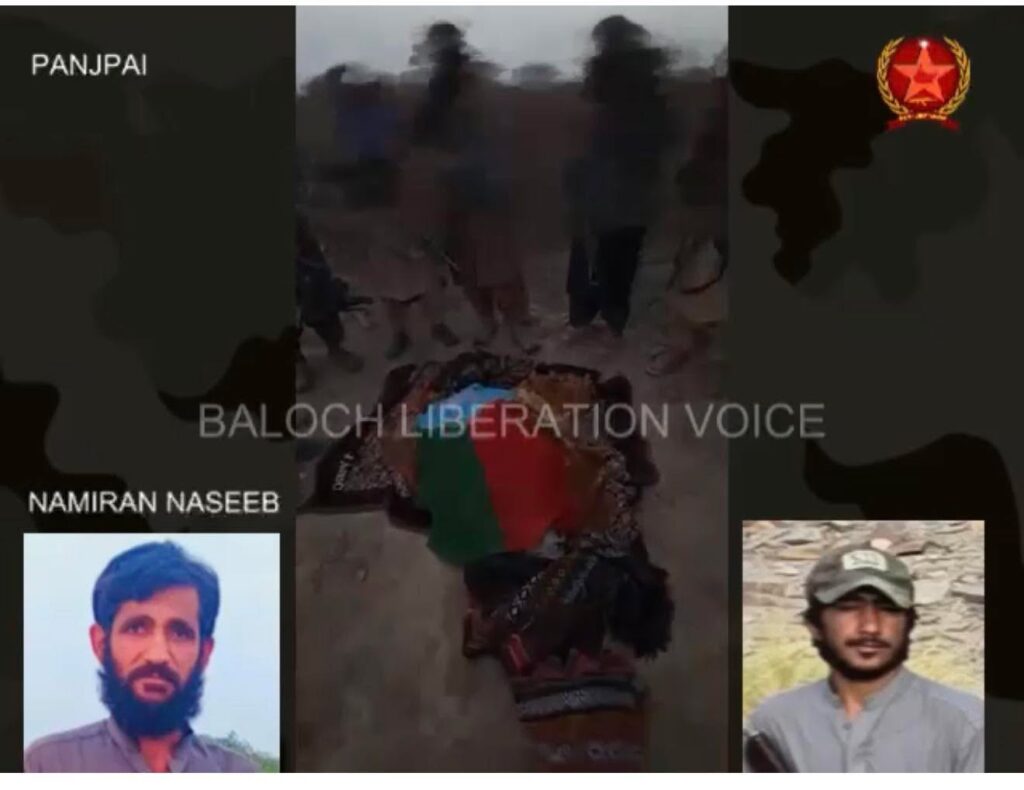
The Baloch nations considers the BLA a structured national defence organisation, formed in response to decades of systemic repression, military occupation, and exploitation of Baloch land and resources. It functions under the guidance of Baloch political leadership and seeks to protect the inalienable right of the Baloch people to freedom, dignity, and sovereignty.
International law, including the United Nations Charter, recognises the right of all peoples to decide for their future. Article 1 of the Charter affirms the right of nations to freely determine their political status and pursue their economic, social, and cultural development. Article 51 confirms their right to defend themselves against aggression or foreign domination. Furthermore, UN Resolution 1514 calls for the eradication of colonialism in all its forms — a principle especially relevant to the Baloch case.
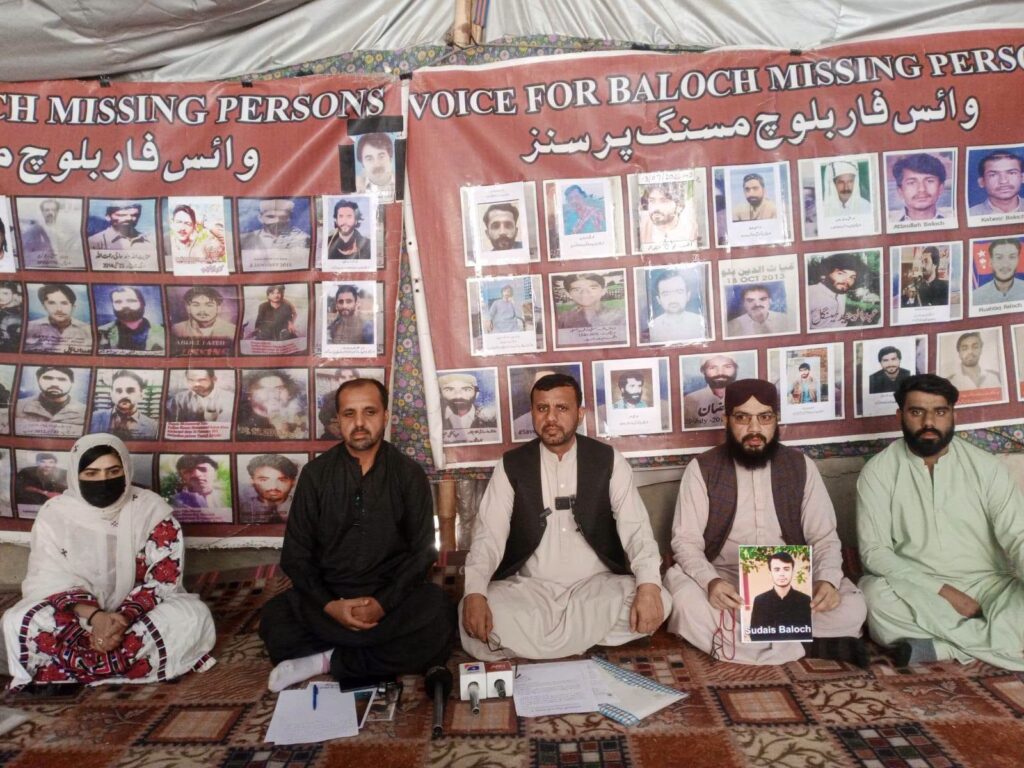
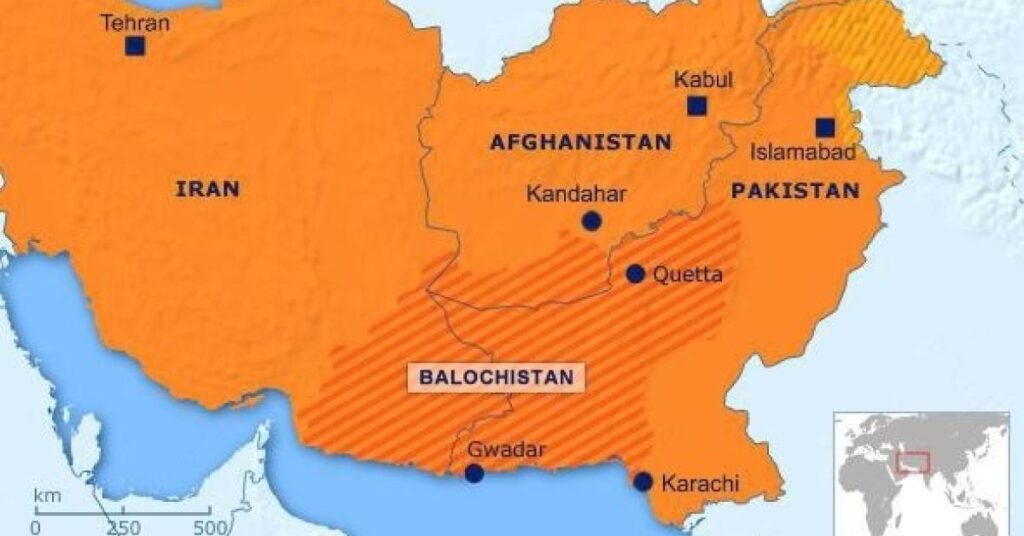
For over seven decades, the Baloch have suffered under what can only be described as a modern colonial occupation. Despite being rich in natural resources, Balochistan remains one of the most underdeveloped and militarised regions in South Asia. Voices of dissent are silenced through enforced disappearances, torture, and extrajudicial killings. In such an environment, the formation of a national defence organisation is not only justified — it is a moral and legal necessity.
Yet, instead of recognising the legitimacy of the Baloch struggle, powerful international actors continue to criminalise those resisting occupation. The BLA’s proscription is not rooted in an honest assessment of its goals or conduct but in the geopolitics of state alliances and economic interests. It is a concession to Pakistan’s military establishment, which has repeatedly manipulated global counterterrorism frameworks to suppress indigenous movements.
United States and the broader international community need to re-evaluate their position. Blind acceptance of Pakistan’s state narrative is not only a betrayal of the Baloch people — it is a violation of international principles that were established to protect nations from tyranny and colonialism. The world must stop conflating liberation movements with terrorism and start differentiating between state violence and legitimate resistance.
The Baloch struggle is rooted in a vision for a secular, democratic, and peaceful state. Recognising and supporting this vision is not only a moral obligation — it is an investment in long-term regional peace and stability.
The United Nations, the Human Rights Council, and international institutions must break their silence, uphold their legal mandates and extend meaningful support to the Baloch nation. The path forward must be guided by justice, International laws and respecting the Baloch nation self-defence and survival, human dignity and democratic values.