Hypocrisy Of Pakistan and Iran: Betrayal of Humanity
By Shahdad Baloch
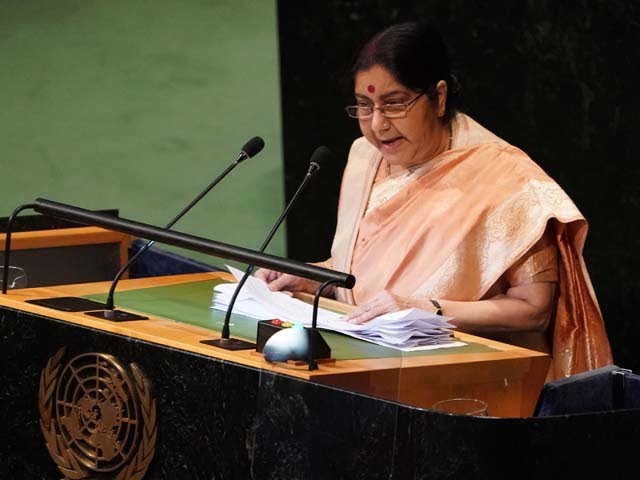
The phrase “Look who is talking”, once uttered on the floor of the United Nations General Assembly by the late Indian Foreign Minister late Sushma Swaraj, still echoes as a thunderous reminder of Pakistan’s duplicity. It was not only a rebuttal but a slap to Pakistan’s two-faced foreign policy, especially in the eyes of its biggest benefactor, the United States, which poured over $33 billion into Pakistan during the so-called “War on Terror.” Yet, the climax of that alliance was nothing but betrayal: Osama bin Laden, the mastermind behind the 9/11 attacks that claimed thousands of American lives, was found sheltered in Abbottabad, Pakistan. History remains muted on this disgrace because the betrayed master was left merely “angry,” not decisive.
Recently, Pakistan’s Foreign Minister Khwaja Asif, a loyal mouthpiece of the military establishment, absurdly claimed that all the devastation caused by Al-Qaeda was planned by America itself. This mockery of truth is one of the greatest insults to the American families who lost their loved ones and whose tax dollars fuelled a war that dragged on for two decades without resolution.
This hypocrisy is not unique to Pakistan. Iran, too, has long thrived on extracting leverage from the West through prisoner exchanges, blackmail, kidnappings and hostage diplomacy. Together, Pakistan and Iran occupy Balochistan, using the British-era Goldsmith Line as justification and suppressing the Baloch nation while parading themselves as champions of peace on global forums.
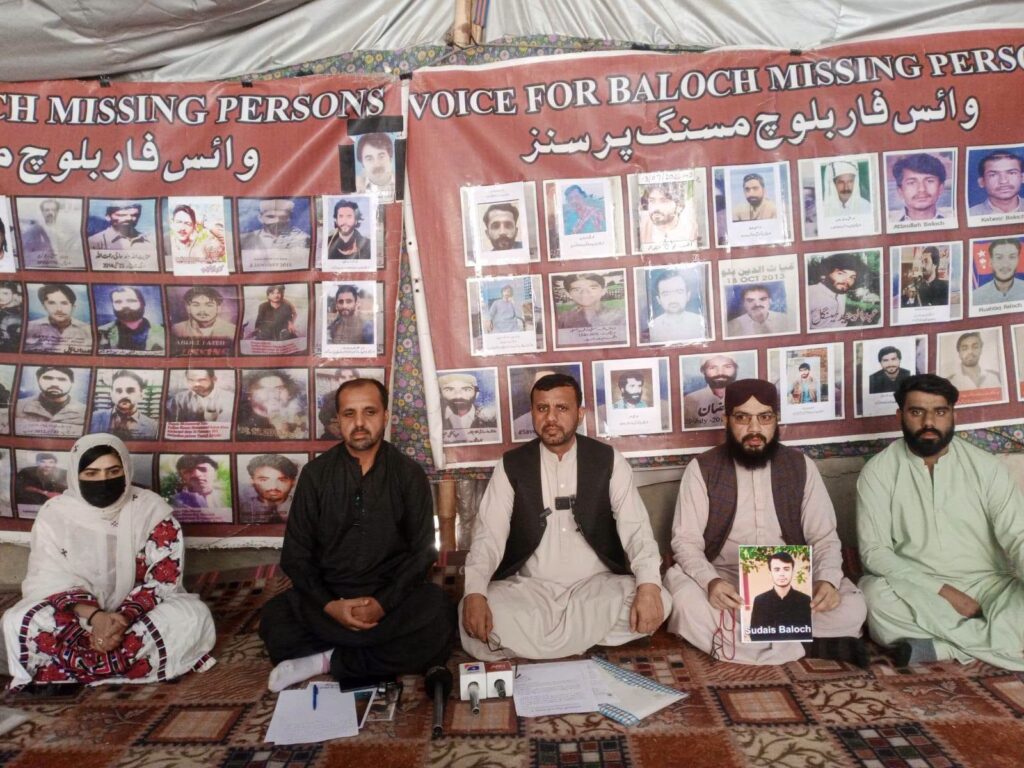
Yet, on those very forums, Pakistan continues to accuse others of “state-sponsored terrorism.” Terms like enforced disappearances, extrajudicial killings, mass graves, torture, illegal abductions, and executions are occasionally raised by international humanitarian organisations, but rarely with the urgency or honesty they require. For the Baloch, however, these are not just words; they are daily realities inflicted upon them by Pakistan and Iran.
How strange it is that Pakistan, with its disgraced institutions and Punjab-dominated ‘beggar’ military junta, dares to speak out against the United States, Israel, Europe and India in international forums. The world remembers Bangladesh in 1971, when Pakistani generals committed mass atrocities, including rape and the slaughter of civilians. Official estimates of deaths range around 3 million, with countless women violated, yet no justice was ever delivered. Bangladesh rose from that bloodshed and mayhem caused by the Pakistani army and its religious criminal death squads.
As for Iran’s supreme leader, who pretends to be God’s messenger on Earth, his actions in Balochistan have only defamed religion. Their rule has been one of deceit, oppression, and exploitation. So, the question arises: Do Pakistan and Iran, in their current forms, truly deserve a seat in any global forum? The answer lies in what the world already knows but refuses to confront. Pakistan and Iran bar entry to Balochistan for independent observers because the truth of war crimes and the starvation of Baloch, who barely manage to get one meal a day, would stand exposed. The global media, too, is seemingly complicit with these tyrants, proclaiming humanity based on their ratings, while clandestine business laws primarily conceal the truth about what is happening in Balochistan.
At the UN, Pakistan dares to lecture the world on human rights while flying foreign-aid-funded jets and helicopters against innocent Baloch civilians. Does anyone challenge their representatives about these war crimes? At the OIC summits, does any Muslim country dare to condemn Iran and Pakistan for their ethnic cleansing of the Baloch? Religion and the Ummah remain silent, proving the truth of the saying: “Hell is empty, and all the devils are here.”
Pakistan and Iran label every Baloch an “agent” of Israel or India. Yet, who is truly the agent? The Baloch, who fight for their survival, or the states that breed Jihadist militias, terrorists and death squads in collaboration with parliamentarians as tools of oppression, just to spill the blood of innocent Baloch?
From Osama bin Laden in Abbottabad to Hamas in Gaza, the fingerprints of Pakistan and Iran remain visible. Both states deceive, bargain and manipulate global powers for the survival of their elite interests, leaving trails of blood across South Asia and the Middle East. All the mess created in the Middle East and South Asia is a direct result of the actions of Iran and Pakistan, who, for the time being, have muted themselves while encouraging Hamas and the Houthis to wage war. As long as these regimes exist, the world must stop betraying itself, for generations have witnessed serpents poisoning world peace with their conduct.
What Pakistan did with the Palestinians during Zia’s era is enough to understand the uniformity in the notorious politics of both states. They have always worked in complicity and their policy is unanimous and simple: ‘engage Israel in a protracted conflict,’ thereby saving themselves. Hamas and the Houthis are the same; they are proxies of Iran. As long as Iran is there, these two evil allies will prolong the war in the Middle East.
The Baloch struggle for freedom is not a narrative invented by enemies. It is a centuries-old, justified and lawful demand for survival, dignity, prosperity and freedom. Arab nations once recruited Baloch soldiers for their bravery and loyalty. Pakistan exploited that very courage, selling Baloch labour and lives under the shield of poverty and hunger. But today, the Baloch fight for themselves, proving once again that their struggle is not about propaganda; it is about existence.
The world must recognise: Pakistan and Iran are not victims, but perpetrators. The Baloch struggle is not terrorism, but survival. And survival, when denied justice, will speak in the language of resistance.
Disclaimer: The views and opinions expressed in this article are solely those of the author and do not necessarily reflect the official policy or position of Baloch Warna News. The publication provides a platform for diverse perspectives.