Direction Is More Important Than Speed
By Omar Baloch
Running or moving fast in a vast mountainous area without the correct direction can delay, complicate, or even prevent you from reaching your destination. Imagine someone running at full speed in the wrong direction. They might cover a lot of ground but ultimately end up farther from their true goal. Direction ensures that our efforts are focused and aligned with our values and aspirations.
In today’s fast-paced world, people often equate success with speed, how quickly one can achieve their goals. However, speed without direction can be both misleading and dangerous. When we prioritise direction over speed, we tend to focus on quality rather than pace. In the rush to achieve quick results, people often make hasty decisions, overlook important details, or compromise on essential aspects of their goals.
Progress may seem slow at times while we work to identify the right path, but that kind of progress is meaningful and lasting. Choosing the right direction also helps avoid burnout. Speeding through life without purpose often leads to exhaustion and dissatisfaction. A clear direction helps maintain balance, set priorities and move forward steadily, without feeling overwhelmed.
More importantly, direction leads to long-term success. While moving quickly may offer short-term rewards, only a purposeful path ensures that we reach a destination that truly matters. Think of it like a person walking slowly with a map versus someone running blindly in circles, the one with a plan is far more likely to succeed.
Yes, speed can be exciting and at times necessary, but it should never come at the cost of direction. Moving slowly in the right direction is far better than racing toward the wrong destination.
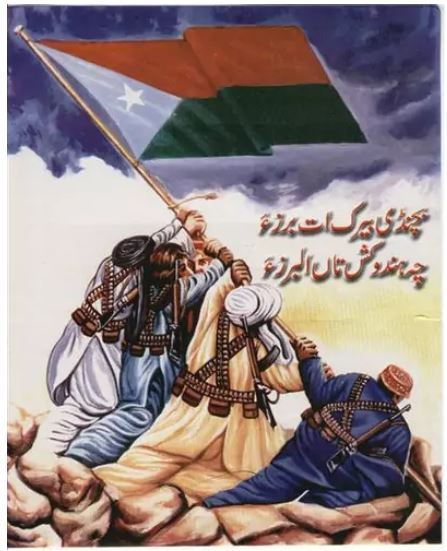
A relevant example can be found in the recent Baloch national freedom movement, where speed has often been considered more important than direction. This isn’t to say that speed is inherently wrong, but the real issue lies in the lack of direction, which remains a critical deficiency in the movement.
This lack of direction includes weaknesses in areas such as national unity, coherent policies, effective strategies and tactics, diplomacy, and international relations.
That’s not to say the Baloch nation lacks leadership or political representation. There are several political parties, armed organisations and leaders, including the most prominent among them, Sangat Hyrbyair Marri, one of the founders of the ongoing freedom movement and the President of the Free Balochistan Movement (FBM).
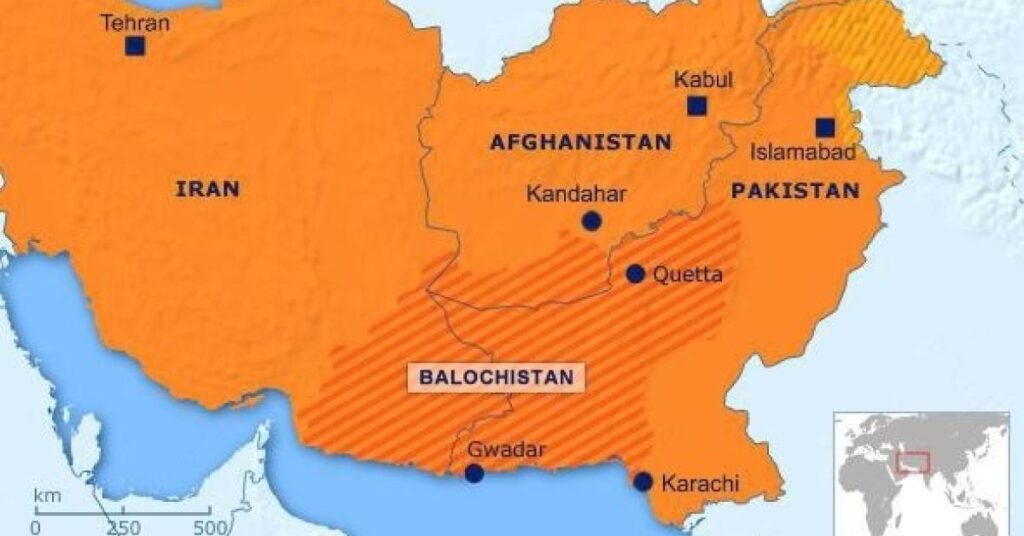
The FBM is working toward the freedom of a united Balochistan, seeking to regain independence from both Iran and Pakistan. The Free Balochistan Movement has also introduced a national framework in the form of the Balochistan Liberation Charter.
However, despite these efforts, the movement continues to suffer from a lack of unified direction. We must recognise and address this shortcoming. It deserves urgent attention. Because of this absence of strategic clarity, not a single country has recognised Balochistan’s freedom struggle. The world is not yet ready to accept Balochistan as an occupied country, nor is it listening to the voices raised against the oppression committed by Iran and Pakistan against the Baloch people.
The Free Balochistan Movement and its leadership are striving to establish that direction. The speed may appear slow, but the direction is clear and correct. However, the FBM still needs the full support of the Baloch nation. It requires unity among leadership and political parties to move forward effectively.
Another crucial aspect that requires attention is the lasting psychological and structural impact of colonisers on the colonised. These effects often become deeply rooted, resulting in confusion and division among oppressed peoples.
Pakistan is a military-led, non-democratic state, where the military establishment dictates policy across all sectors, leaving little room for democracy or constructive criticism. Sadly, these authoritarian tendencies have also seeped into the Baloch freedom movement.
Many within the nation believe that the armed wings of the movement have the sole right to make decisions, formulate policies, and manage diplomacy. In reality, various armed groups and their leadership are attempting to dictate to political parties and establish independent diplomatic channels. On the other hand, some political parties are resistant to constructive criticism and show little willingness to evolve.
Political leaders and parties must be the ones to define the core policies of the freedom movement, including those related to the armed forces. They should also be the ones building strong diplomatic ties with other nations and international actors.
Therefore, what the Baloch freedom movement truly needs is not just speed, but the correct direction.
It needs: Strong and effective diplomatic relations, National unity, Clarity of purpose, Sound policies, Smart tactics and strategies, Transparent and structured cooperation between political parties and armed forces, Internal democracy within the movement and above all, space for constructive criticism.
Final Thoughts
In the end, it is direction, not just speed, that determines whether a movement succeeds or fails. Without a clear path, no amount of momentum will take us where we need to go. The Baloch freedom movement has the potential to succeed, but only if it embraces strategic clarity, democratic values, and unity of purpose.
Disclaimer: The views and opinions expressed in this article are solely those of the author and do not necessarily reflect the official policy or position of Baloch Warna News. The publication provides a platform for diverse perspectives.