Balochistan: When Insecurity Becomes a Tool to Silence the Truth
Samin Baloch
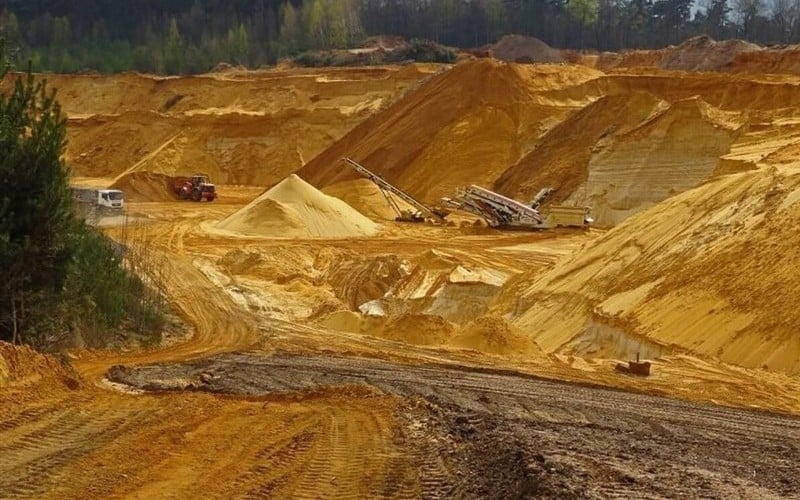
In recent weeks, a new wave of insecurity has swept across Balochistan — from the killings of fuel carriers and a series of kidnappings to a surge in armed robberies along the province’s highways. These incidents have intensified just as public attention has turned toward issues such as the Taftan gold mine and the exploitation of natural resources, matters that, for years, have symbolised injustice and the plundering of local wealth in the eyes of the people.
The simultaneous rise in violent clashes and widespread insecurity, alongside renewed debate about the Taftan gold mine and other extraction projects, can hardly be a coincidence. Past experience shows that whenever sensitive topics related to structural discrimination or the looting of natural resources gain public attention, a sudden wave of “security incidents” or distracting media narratives tends to dominate the news cycle.
This recurring pattern reveals a deliberate strategy by the Iranian state — a calculated effort to keep the Baloch people trapped in a constant struggle for survival rather than united in the pursuit of their rights and freedom. For decades, Iran has systematically kept the Baloch population below the poverty line by denying fair access to economic opportunities, political representation, and basic public services. By maintaining this state of deprivation, the government ensures that the daily fight for food, water, and work overshadows broader demands for justice and self-rule.
Among the most destructive tactics employed by the Iranian authorities is the arming of rival Baloch tribes against one another. This policy of internal division keeps communities locked in cycles of local conflict, making it easier for the state to pursue its discriminatory and often violent policies without resistance. While Baloch tribes are pitted against each other, Iranian security forces continue to suppress dissent, exploit the region’s natural resources, and advance what many activists describe as a slow, systematic campaign of cultural and economic genocide.
Similar tactics have also been observed nationwide in recent years. Whenever issues such as economic corruption, ethnic rights, or social grievances emerge, sensational stories about celebrities or fabricated crises quickly dominate the media, diverting public focus from deeper structural injustices. This recurring pattern represents a deliberate form of public opinion management through manufactured crises.
In such an environment, the role of independent media, local journalists, and civil society is more crucial than ever. Silence or indifference toward this cycle only perpetuates policies that reproduce poverty, deprivation, and insecurity in Balochistan. Redirecting society’s attention to the roots of these problems — structural poverty, ethnic discrimination, inequitable resource distribution, and the quiet plunder of natural wealth — is the first step toward genuine reform and meaningful advocacy.
Whether the recent wave of insecurity results from deliberate orchestration or administrative neglect, the outcome remains the same: mounting pressure on the Baloch people and the sidelining of their legitimate demands. While security crises dominate headlines, fundamental issues such as widespread unemployment, extreme poverty, and long-standing inequality in government investment are once again pushed to the margins.
A society regains peace and trust only when the truth is revealed and justice is applied equally — not when people’s suffering is hidden behind manufactured crises or media censorship. In today’s circumstances, analysing the map of insecurity in Balochistan without considering the economic and political interests behind it exposes only part of the truth, a part that may itself be designed to conceal the deeper reality: the quiet, systematic looting of the region’s natural resources and the deliberate impoverishment of its people. Only by addressing these root causes can the Baloch population begin to reclaim its rights, unite, and pursue freedom from structural oppression.
This article was originally published in Persian on the Baloch Activists Campaign. The BW republished it in English with some additional input.
Disclaimer: The views and opinions expressed in this article are solely those of the author and do not necessarily reflect the official policy or position of Baloch Warna News. The publication provides a platform for diverse perspectives.