Balochistan: Brutal Killing of 13-Year-Old Baloch Child Highlights Systemic Insecurity
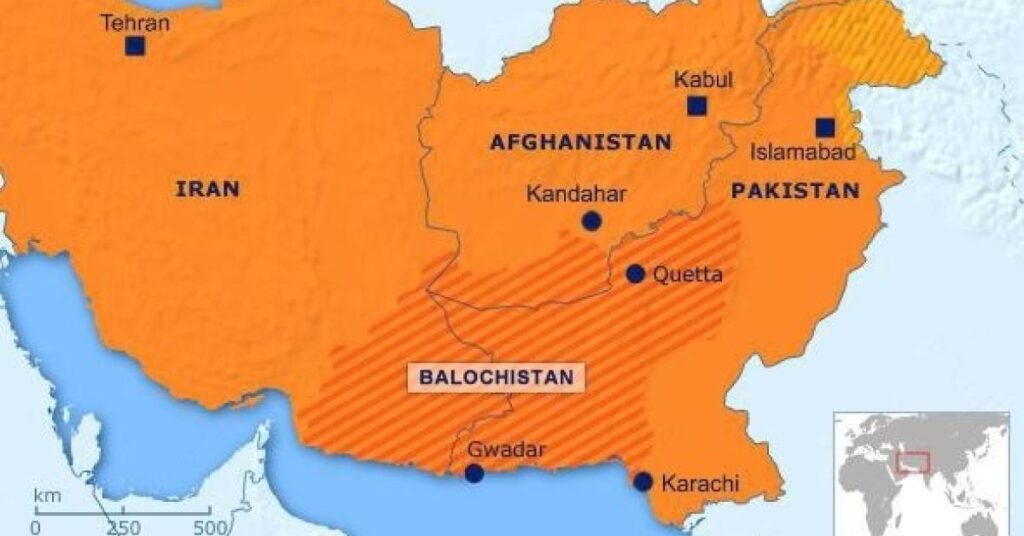
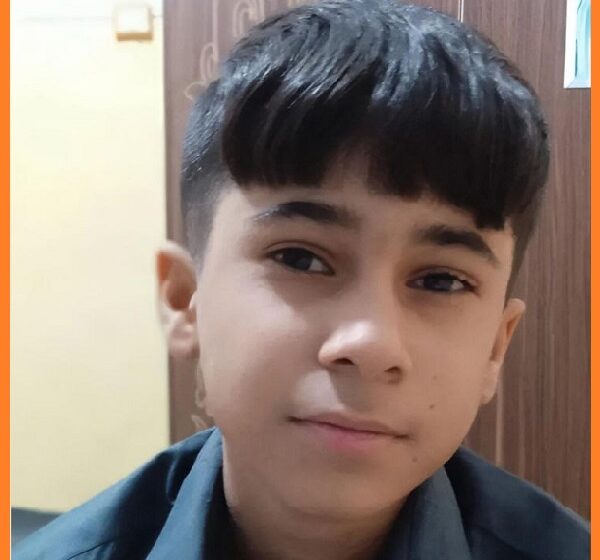
DOZZAAP, BALOCHISTAN: The killing of Mohammad Khaleqi, a 13-year-old Baloch child, has sparked widespread outrage and renewed concern over the safety of children and the broader human rights situation in the Western part of Balochistan, currently under Iranian occupation.
Mohammad Khaleqi son of Dur Mohammad, was originally from the village of Matsang in Nikshahr County and was residing in Chabahar.
On Thursday, December 11, 2025, he left his home to buy bread and did not return. After his disappearance, his family made a public appeal for information through social media in an effort to locate him.
On Saturday evening, December 13, Mohammad’s body was discovered behind Chabahar Prison. Local sources reported that his throat had been cut and his body burned. His remains were transferred to the forensic medicine department for autopsy.
The brutality of the killing and the circumstances surrounding the discovery of the body have intensified concerns over public security, particularly in marginalised areas with limited protection and oversight. Human rights advocates argue that persistent insecurity in Balochistan disproportionately affects Baloch people, leaving children and other vulnerable groups at heightened risk of violence.
Mohammad’s family stated that they had no known disputes or hostilities with any individual or group, raising serious questions about the motive behind the killing and reinforcing fears of random or unchecked violence in the area.
Under Iran’s domestic laws and its international obligations, including the Convention on the Rights of the Child, the authorities are required to protect children from violence and to conduct prompt, independent and transparent investigations into killings involving minors. However, human rights organisations note that past cases in Balochistan have often been marked by delays, lack of transparency or silence, contributing to a climate of impunity.
Activists also point to long-standing ethnic and religious discrimination against the Baloch population as a factor influencing official responses to such crimes. They warn that inadequate investigations and limited public accountability send a message that the lives of Baloch children are not afforded equal protection.
In a statement, the Baloch Activists Campaign strongly condemned the killing, describing it as a result of structural insecurity and institutional failure to safeguard children’s lives. The organisation called for an immediate, independent and transparent investigation, the prosecution of those responsible and concrete measures to prevent further violence against children in Balochistan.