Wave of Extrajudicial Killings and Enforced Disappearances Continue Across Balochistan
SHAAL, BALOCHISTAN: A series of extrajudicial killings and targeted attacks against Baloch civilians has intensified across Balochistan in early March 2026, raising serious concerns among human rights advocates and local civil society groups.
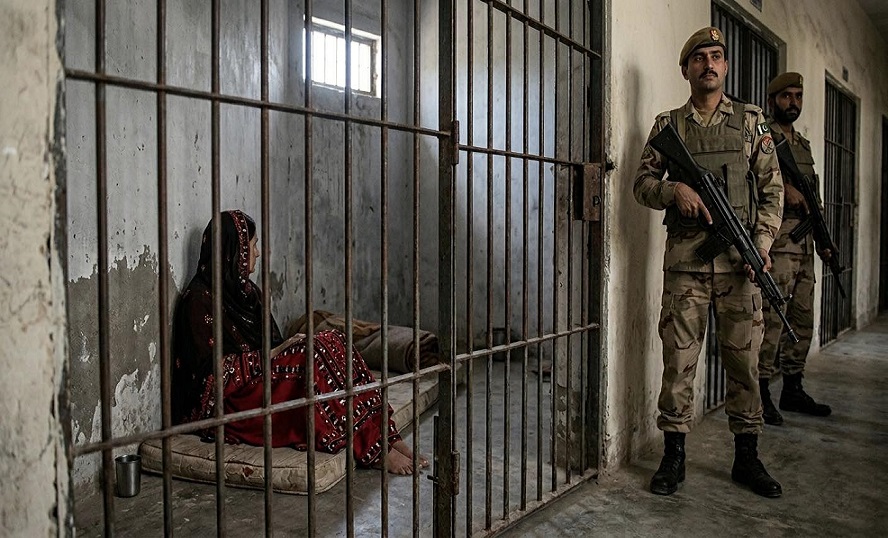
Multiple incidents reported from districts including Panjgur, Kech, and Kharan indicate a continuing pattern of violence involving enforced disappearances, targeted shootings, and the recovery of bodies following periods of detention.
The cases have been strongly condemned by the Baloch Yakjehti Committee (BYC), which argues that these incidents reflect a systematic campaign targeting Baloch youth, workers, and civilians.
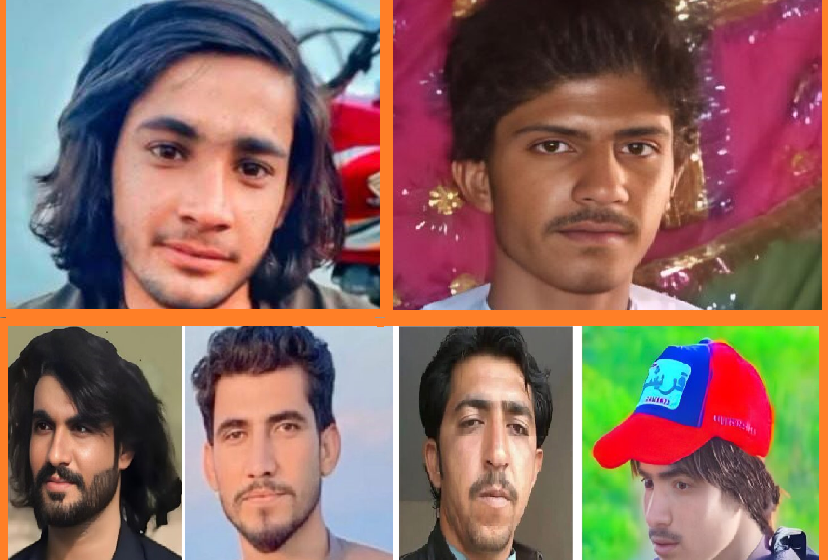
One of the most recent incidents involved Zameer Dargarzai Baloch son of late Nasir Dagarzai, an 18-year-old student from the Sardo area of Panjgur.
According to reports, Zameer was forcibly disappeared on March 3, 2026, from the Tarfees area of Chitkan in Panjgur. Witnesses say that he was taken by individuals described as state-backed death squads. For eight days, his whereabouts remained unknown, a situation that mirrors many similar cases in the region where individuals vanish without official acknowledgement. On March 11, 2026, his body was discovered in the Washap area of Panjgur, indicating that he had been killed during the period of disappearance.
The killing of Zameer Dargarzai has drawn particular attention because of the tragic history associated with his family. His father, Nasir Dargarzai, had previously been subjected to enforced disappearance in 2011. At that time, he was abducted, later shot and his body dumped. Although he survived the attack and received medical treatment, he was forcibly disappeared again later and eventually killed. For many observers, the death of Zameer represents a continuation of violence affecting the same family across generations.
Another killing occurred on March 10, 2026, in Mawach Chowk in Panjgur, where Abdullah Baloch son of Karim Jan, a 27-year-old resident of Mawach, was shot dead at approximately 5:30 PM. Abdullah was described as an unemployed young man from the local community.
According to local reports, he was targeted by individuals believed to be part of a state-backed death squad. Civil society activists claim that such killings have become increasingly frequent in the region, particularly targeting young men.
Human rights activists point to the growing number of bodies discovered in Panjgur in recent weeks as evidence of a worsening situation.
According to local sources, more than twenty bodies of Baloch individuals have been recovered in the Panjgur region during the last two months alone, including those of students and young civilians.
A similar incident occurred on March 9, 2026, in Kharan, where Muhammad Ismail son of Lashkari Khan Kubduani, a 24-year-old shopkeeper and labourer, was killed in a targeted attack at around 8:15 AM. Muhammad Ismail had previously survived an enforced disappearance in June 2025. He was released in January 2026 after months of detention. Only weeks after his release, he was killed in what local activists described as a targeted shooting.
His case has been cited by rights groups as an example of individuals who are first detained and later killed after their release.
Another killing took place on March 8, 2026, in the Shapatan area of Panjgur. Mehboob Baloch son of Amanullah, a resident of Guwargo Panjgur, had reportedly been forcibly disappeared approximately eight months earlier.
According to local accounts, he was killed by members of the Frontier Corps (FC), a paramilitary force operating in the region. Activists accuse the FC and associated groups of carrying out targeted killings and enforced disappearances in Balochistan. They also say that such actions often occur without accountability or a transparent investigation.
On the same day, March 8, another young civilian lost his life in Heronk, a town in the Kech district. Asif Baloch son of Nazeer, an 18-year-old driver from Singabad, was reportedly shot and killed by individuals described as state-sponsored death squad members.
Asif was said to be a civilian driver who worked daily to support his family. According to local accounts, he held no political position and was not involved in any armed activities. His killing has been cited by activists as an example of ordinary civilians becoming victims of violence in the province.
Earlier in the week, on March 4, 2026, another fatal shooting occurred in the Shapuk area of Kech district. Hatum Baloch son of Khuda Bakhsh, a 26-year-old shopkeeper, was reportedly targeted by individuals believed to be part of a state-backed group.
According to reports, the attackers arrived in a white vehicle and called Hatum out of his shop. When he attempted to flee, they opened fire, fatally wounding him. Hatum came from a poor family and had been working in his shop to support his relatives.
Many of these incidents occurred during the Islamic holy month of Ramadan, a period traditionally associated with reflection, charity and restraint. Local activists say the continuation of violence during this time has further deepened the sense of fear and grief among affected communities.
Human rights advocates argue that these incidents constitute serious violations of international human rights law, particularly the right to life as protected under Article 6 of the International Covenant on Civil and Political Rights (ICCPR), which prohibits the arbitrary deprivation of life under any circumstances. They also stress that enforced disappearance itself is considered a grave human rights violation under international law.
The Baloch Yakjehti Committee has strongly condemned the series of killings and disappearances. According to the organisation, the incidents reflect a systematic pattern in which Baloch youth, including students, drivers, shopkeepers, labourers, professionals, and political activists, are being targeted.
The group say that state-backed death squads operate in the region with impunity, conducting operations that include targeted killings, enforced disappearances, intimidation of families, and harassment of women.
The organisation has repeatedly appealed to the international community, global human rights institutions, and independent investigators to examine the situation in Balochistan. It has called for immediate international attention and an impartial investigation into the ongoing killings and disappearances in Balochistan.
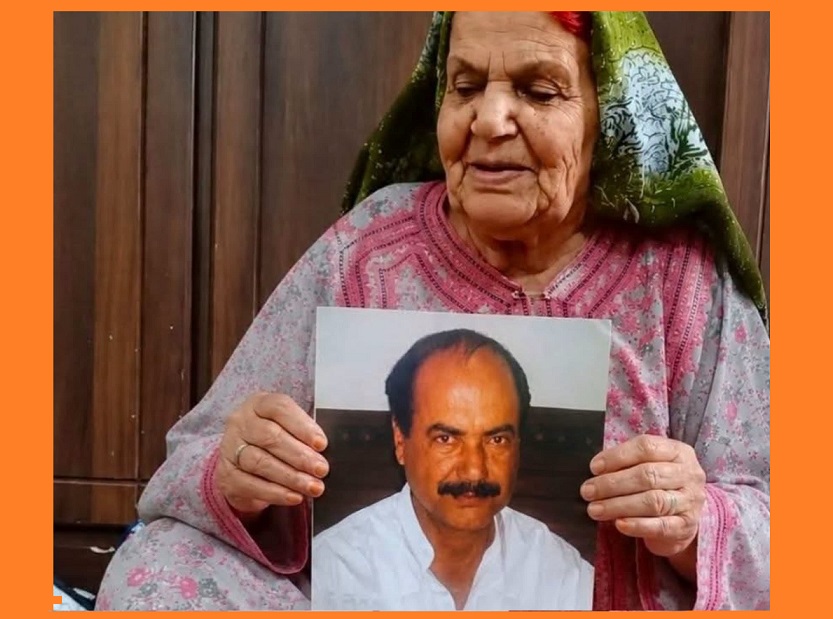
Observers note that the ongoing violence has created a climate of fear across many parts of Balochistan. Families of victims often face prolonged uncertainty when relatives disappear, while communities struggle with the recurring discovery of bodies following unexplained detentions. Civil society groups argue that without accountability and transparent investigations, the cycle of violence is likely to continue.