
Sharp rise in executions of Baloch citizens in Iran raises human rights concerns
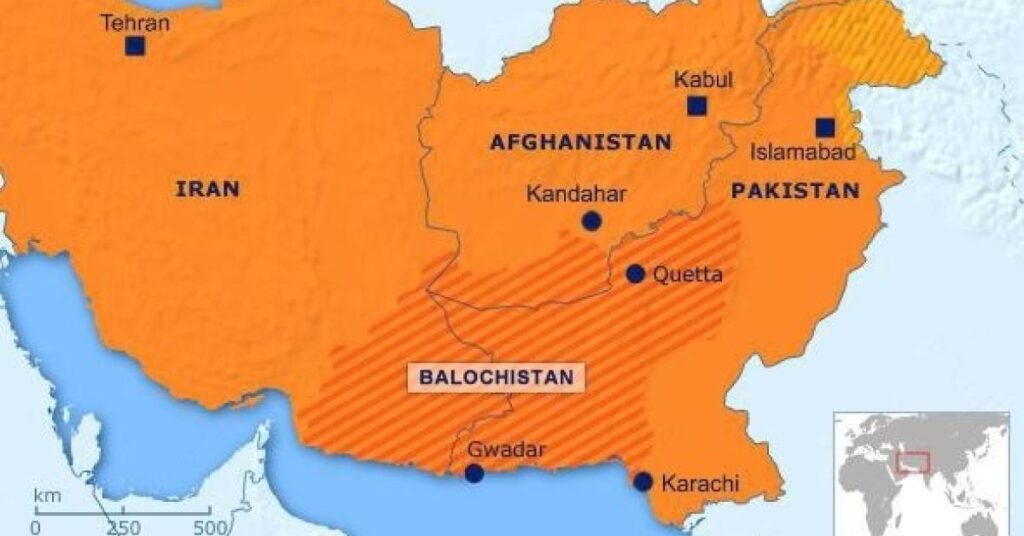
DOZZAAP, BALOCHISTAN: A new human rights report has documented a significant increase in the number of executions of Baloch citizens in Iran during 2025, highlighting what rights groups describe as a continuing pattern of disproportionate use of capital punishment against oppressed nations.
According to data compiled by the Balochistan Human Rights Documentation Network, at least 143 Baloch citizens were executed across 29 prisons in Iran during 2025. The figures represent a marked rise compared with 2024 and have intensified concerns among human rights observers.
The report breaks down the 2025 executions by charges, stating that 98 individuals were executed for drug-related offences, 40 for murder, four for political or ideological accusations, and one for rape. Among those executed were two undocumented prisoners accused of drug offences, one Baloch conscript soldier convicted of murder and one juvenile offender. The report notes that the juvenile was under 18 at the time of arrest, but the execution was carried out after the individual reached legal adulthood.
For comparison, the group’s 2024 annual report recorded 101 executions of Baloch prisoners, including 73 related to drug charges, 28 for murder, as well as one woman and one juvenile offender. The comparison between the two years indicates an approximate 42 per cent increase in executions of Baloch citizens in 2025.
The report further states that executions of Baloch citizens accounted for 8.7 per cent of all executions recorded in Iran during 2025, based on a national total of 1,639 executions documented by Iran Human Rights.
Even though most of the cases leading to executions are officially related to drug offences or charges described as moharebeh (waging war against God on earth), independent analysts argue that there has been no transparent or fair judicial investigation in many of these cases.
They particularly raise concerns regarding executions involving members of oppressed nations, including Baloch, Kurdish, Arab, and others. These nations in Iran face systematic repression, social and political exclusion and are disproportionately targeted by state institutions and affiliated security forces.
Despite representing an estimated 5 per cent of Iran’s population, Baloch citizens accounted for roughly 9 per cent of all executions recorded in the country during the same period. Human rights organisations say this disparity raises serious concerns about unequal application of the death penalty and broader discrimination against oppressed nations in Iran.
Rights groups have repeatedly called for greater transparency in Iran’s judicial system, as well as an immediate review of capital punishment cases involving ethnic minorities and oppressed nations and drug-related convictions, which continue to make up the majority of executions reported.
Due to such repressive policies and what critics describe as unfair and opaque trials that can lead to executions, there is also growing resentment toward the state among Baloch, Kurdish, Ahwazi Arabs and other oppressed people.
In recent years, demands for independence in regions such as Balochistan, Kurdistan and Al-Ahwaz have increased, particularly among young and educated groups who advocate for political rights, equality and self-determination. Some reports also indicate that armed resistance movements have expanded in certain of these areas, reflecting deepening political tensions and long-standing grievances.