The Tea That Went Cold in Quetta
By Basham Baloch
A man set out to bring his sister home for her first visit after marriage. He never arrived.
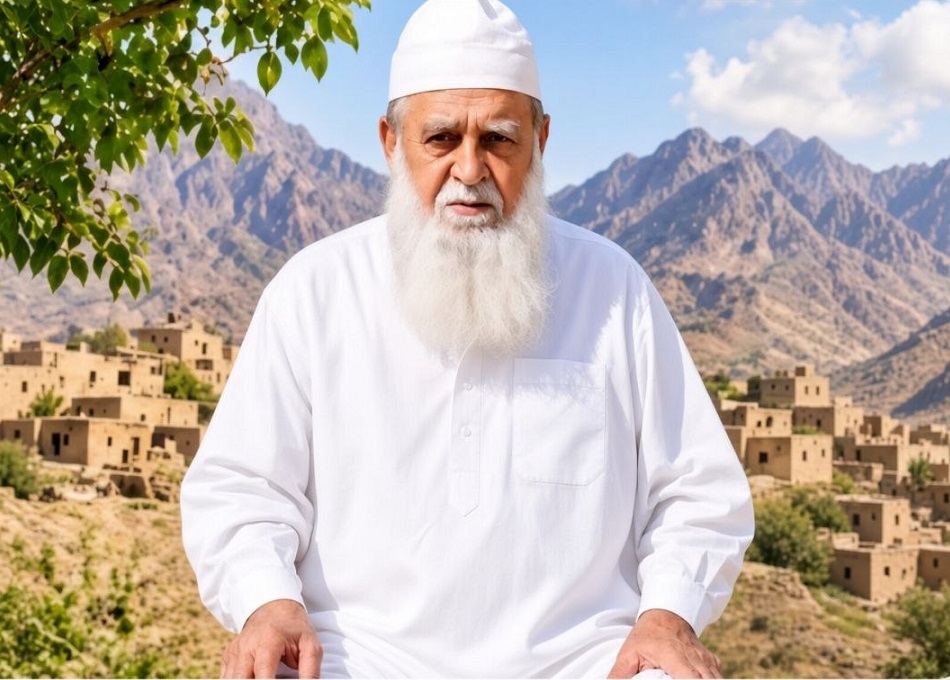
In the Marri hills of Kohistan, summers bake the stony ground and winters arrive on freezing winds. In a land this hard, a man’s name is often a prayer. His was Dilshad, which means “happy heart.”
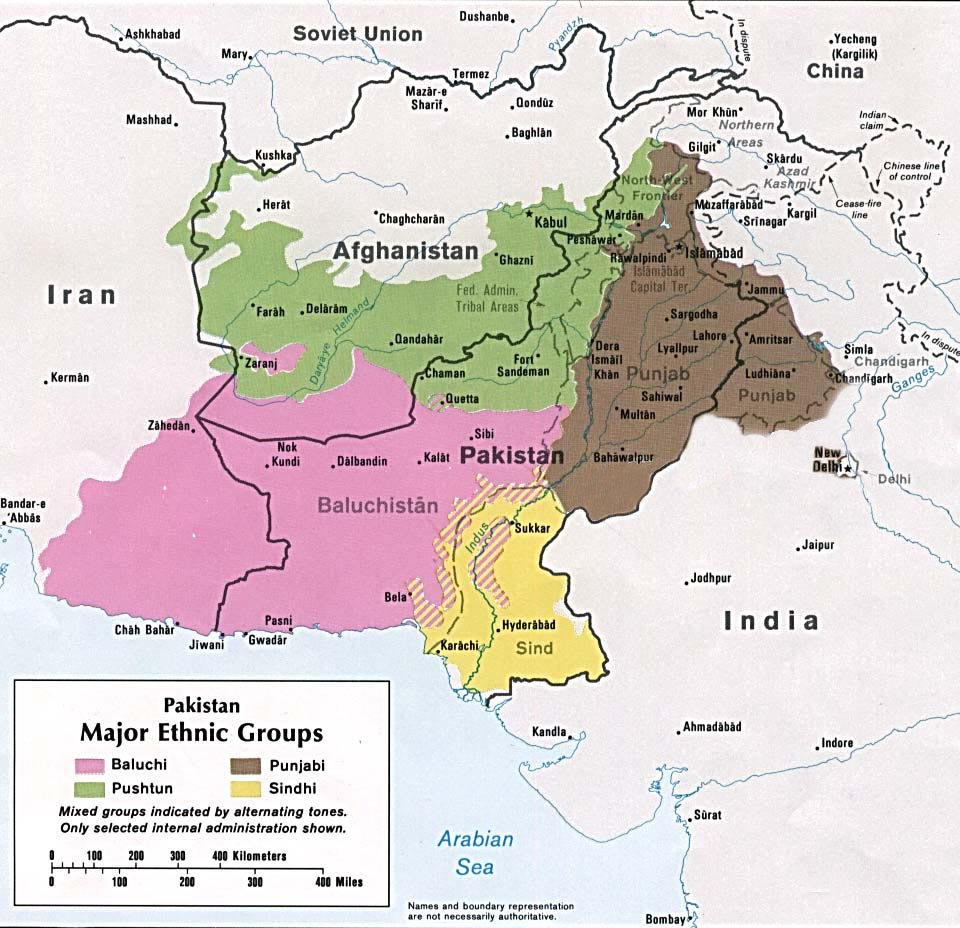
Since the Musharraf years, when a military siege tightened around Kohistan-e-Marri, daily life in these valleys has been a test of endurance. Blockades have choked the mountain passes, and trade and medicine have grown scarce. The seasons bring their own dangers: heat that cracks the earth in July, then bitter cold off the ridges in January.
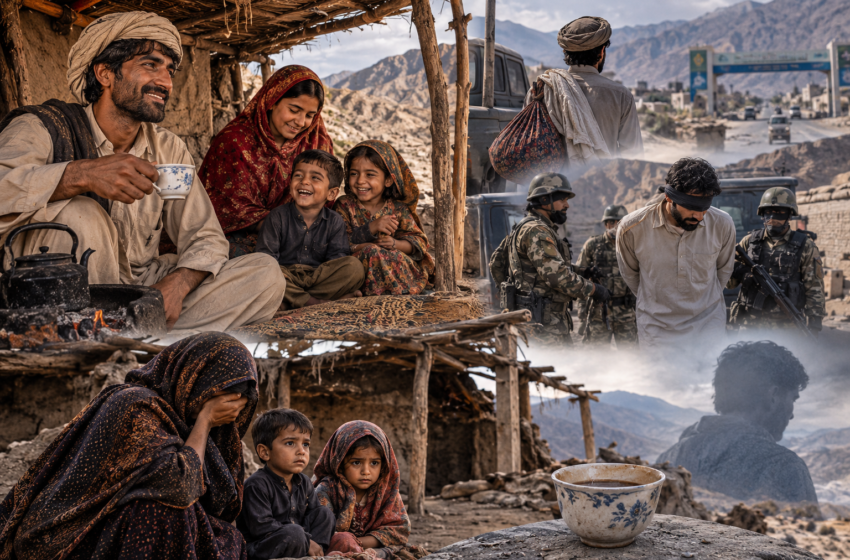
When I first visited Dilshad’s home, his name seemed to fit him easily. The dwelling was not even a traditional black goat-hair gidaan, but an open shelter of crooked wooden posts, brushwood and woven dwarf-palm mats, lashed together with cloth and rope. Outside, on dry, stony ground, palm fronds lay spread out for weaving beside blackened kettles and plastic jerrycans.
Inside, there was a quiet abundance. A thin ribbon of tamarisk smoke rose from a small hearth, carrying the smell of black tea and bread baking on hot ash. Two small children tumbled across a faded mat, their laughter untouched by the siege or the ridges rising behind them.
Dilshad sat beside the embers with the calm of a man who had survived an early winter and reached spring. Years earlier, the conflict and blockade had taken both his parents, leaving him, barely more than a boy himself, as the only protector of his younger sister. He had carried that duty through military cordons, droughts and freezing nights, tending livestock through barren seasons and building a life out of patience.
By the time I visited, the worst seemed behind him. He had married and raised two healthy children. His proudest achievement was arranging an honourable marriage for his sister in Quetta’s New Kahan (Marri Camp) on the outskirts of the city.
“A brother’s duty is only half finished on the wedding day,” he said, sliding a chipped porcelain cup of tea across the mat to me. His eyes creased as he looked out over the stony yard. “In a few days I will go to Quetta and bring her home for her first visit. This house will not feel whole until she steps back under this roof.”
In Baloch custom, bringing a newly married sister back to her parental home is more than a courtesy. It reassures her that her brother’s door will always be open to her. Dilshad spoke of the journey as a celebration, his voice steady with quiet pride.
Neither of us mentioned the invisible border that begins the moment a man comes down from the besieged Marri hills onto the main road. Since the siege began, anyone born in Kohistan-e-Marri has carried suspicion in his bloodline, treated by the state not as a citizen going to greet his sister but as an insurgent by geography alone.
Three days later, Dilshad put on his cleanest tunic, tied his turban carefully and set out for Quetta. He carried small gifts wrapped in cloth for his sister and a head full of plans for her return. He had no national identity card, no birth certificate, no stamped paper from any government office. Cut off by decades of conflict, generations in Kohistan-e-Marri have lived, married and died without ever appearing in a state register.
At the edge of New Kahan, where concrete barriers and sandbags choke the dusty approach, his vehicle was waved to a halt. Armed men in uniform stepped forward, studying faces and demanding papers. Dilshad answered in his unmistakable Marri accent and reached into an empty pocket. There was no argument, no warrant and no record. Blindfolded and bound, he was lifted into an armoured vehicle as the dust settled behind him.
His sister waited in her new home, the tea going cold on the tray, listening to footsteps outside that never turned toward her door.
Months later
When the season had turned, I returned to Kohistan-e-Marri. From a distance, the crooked frame of the shelter still stood against the hillside, much as I remembered it. But as I crossed the rocky ground, the silence reached me before I reached the shade.
No smoke rose from the hearth. The branches and palm mats sagged overhead, frayed and unmended where the wind had torn them loose, offering little protection against the weather. On the bare earth, the hearth was cold grey ash.
Dilshad’s young wife sat near the back posts in a worn shawl that seemed too heavy for her thin shoulders. She did not speak of his disappearance; in her grief, words had nothing left to change. Under the siege, survival consumed every waking hour of a young mother with two small children and no protector in an isolated valley. She did not know how a street protest worked, or a petition, or a court case. Even if she had, a young woman with two little children could not simply leave the besieged mountains and march in a distant city.
The children sat close beside her, no longer tumbling across the mat, their eyes watchful and older than their years. When they looked at me, there was no greeting, only the searching gaze of children still listening at dusk for their father’s footsteps.
Without identity documents, without a registered address and without anyone able to stand outside a courthouse gate on his behalf, Dilshad’s disappearance left no trace in any official record. Outside, the mountains of Kohistan-e-Marri stood unchanged beneath the wide sky, holding thousands of similar silences: men who were deeply loved by their families, yet vanished without a case, a protest or a name on paper.
As I walked back across the stony ground into the harsh mountain light, I understood why this story had to be written. When there are no ledgers to record a man’s existence and no voices able to march for his return, memory is the only witness left.
Disclaimer: The views and opinions expressed in this article are solely those of the author and do not necessarily reflect the official policy or position of BalochWarna News. The publication provides a platform for diverse perspectives.