Mahrang Baloch: Edelstam Prize Honours Balochistan’s Human Rights Struggle
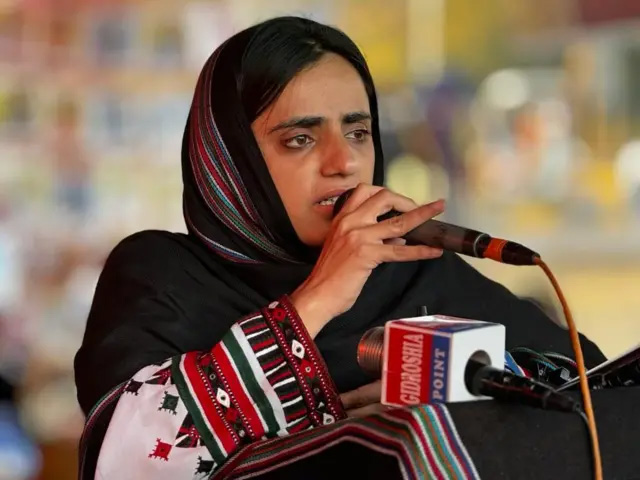
Hudda Jail, Quetta: Detained Baloch human rights activist and central organiser of the Baloch Yakjehti Committee (BYC), Dr Mahrang Baloch, has described the Edelstam Prize as international recognition of the struggle of the Baloch people, saying the honour belongs not to her alone but to families of victims of enforced disappearances, political activists and those who have continued their peaceful struggle despite arrests, persecution and state pressure.
In a message written from Hudda Jail in Quetta on November 25, Dr Mahrang said the people of Balochistan were living through a period in which speaking the truth, exercising freedom and preserving their identity had increasingly become acts treated as crimes.
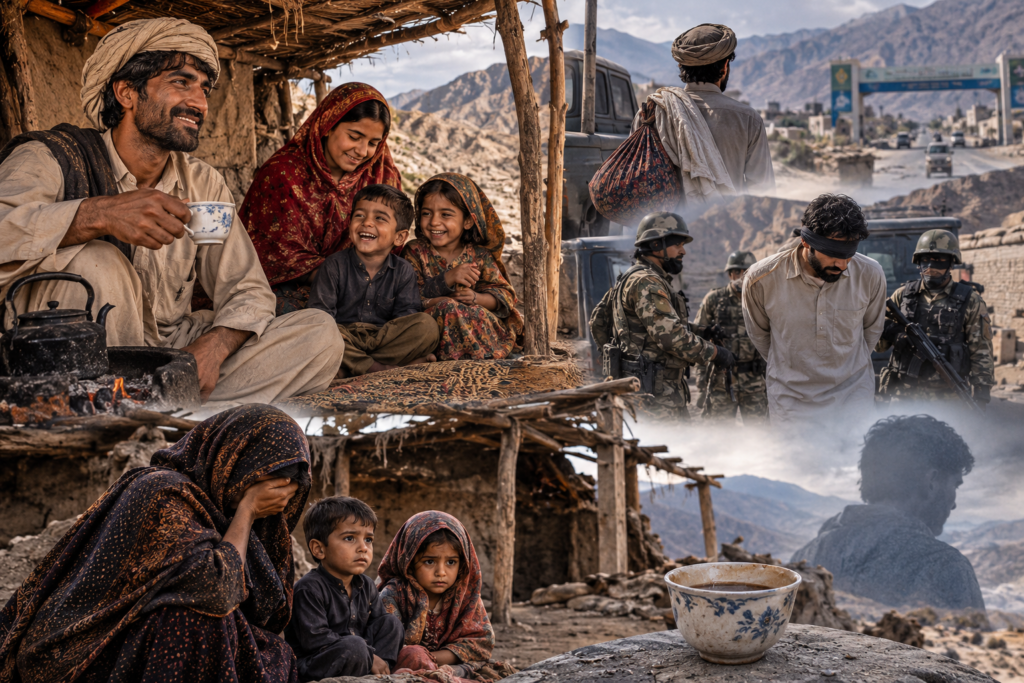
She said that enforced disappearances, extrajudicial killings and forced displacement were depriving Baloch people of their fundamental rights and their ability to live freely on their ancestral land.
Criticising state institutions, she said bodies responsible for protecting citizens had instead become instruments of oppression and coercion. She also raised serious questions about judicial independence and the rule of law, adding that Baloch political activists had been subjected to faceless trials, with state-appointed lawyers and judges failing to ensure justice.
Describing the Edelstam Prize as more than a personal honour, Dr Mahrang said the recognition represented the voices of Balochistan that, she maintained, had repeatedly been silenced. She thanked the prize organisers and jury for recognising the movement and drawing international attention to the human rights situation in Balochistan.
She dedicated the honour to mothers, sisters, political activists and families who have lost loved ones, faced displacement and endured years of uncertainty while continuing to demand justice and equality.
“The honour does not belong to me alone,” she said, acknowledging those who, despite arrests, persecution and pressure, had remained committed to peaceful political struggle.
Dr Mahrang also placed the situation in Balochistan within a wider international context, referring to Palestine and other regions affected by wars, occupations and geopolitical rivalries. She argued that ordinary civilians were bearing the greatest consequences of political and economic power struggles.
She called on international civil society, human rights organisations, intellectuals and concerned citizens to place human rights above political and state interests.
“Human rights are not concessions granted by states; they are fundamental rights inherent to every human being,” she said.
The detained activist urged international organisations to look beyond official narratives and examine the ongoing human rights violations in Balochistan. She stressed the importance of ensuring that the experiences and demands of affected families reached the international community.
She also called for greater scrutiny of allegations of Baloch genocide, arguing that international recognition of the movement should encourage more serious engagement with the region’s human rights concerns.
Reaffirming her commitment to peaceful political struggle, Dr Mahrang said the success of any movement should not be measured solely by the hardships it had endured, but also by its ability to remain committed to its fundamental principles and objectives.
She said the pursuit of fundamental rights and a just future left the Baloch people with no alternative but to continue their political struggle.
Outlining her vision for the future, she said she wanted a society in which no individual had to sacrifice their life while seeking justice, no family had to wait years for the recovery of a missing loved one, and no nation had to struggle constantly to preserve its identity and existence.
She expressed hope that the international recognition would encourage human rights institutions, civil society organisations and concerned individuals around the world to listen to the voices of Balochistan and contribute to securing the fundamental rights of its people.