Balochistan 2025: State Terror, Enforced Disappearances and Global Silence
By Umar Baloch
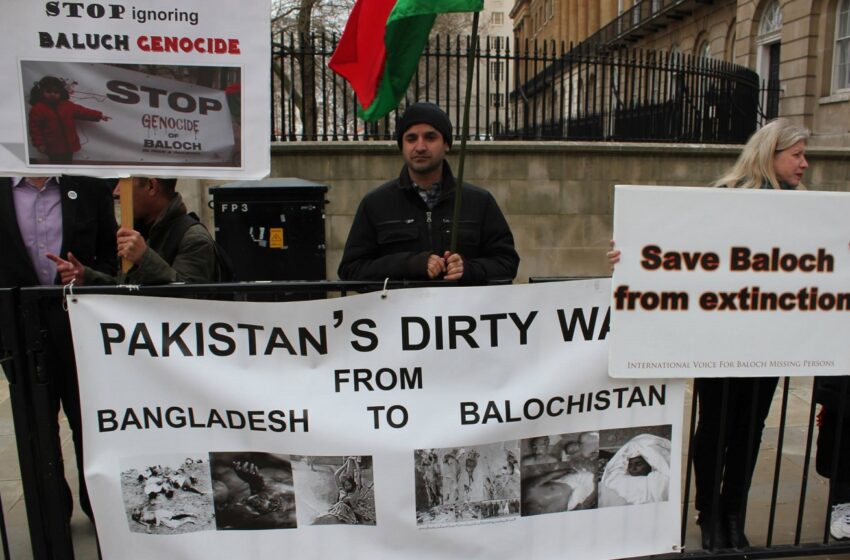
An alarming escalation of enforced disappearances is taking place in Balochistan, with no indication that Pakistan intends to halt these actions. Enforced disappearances and extrajudicial killings have become integral components of the ongoing military offensives launched since the beginning of the 21st century.
The rise in the enforced disappearance of Baloch women and teenage Baloch students in 2025 is deeply concerning, reflecting a dangerous intensification of these practices. Pakistan has also conducted numerous military operations in the past, resulting in the deaths of thousands of innocent Baloch people. People from all walks of life have indiscriminately fallen victim, whether students, employees, or laborers, whether they have raised concerns about human rights violations or not and whether they have demanded their basic rights or not.
According to the Baloch Yakjehti Committee (BYC), 1,223 Baloch individuals were forcibly disappeared in 2025, including two elderly men, 18 women, and 75 teenagers. These are, however, only reported cases; many families do not report the enforced disappearance out of fear of reprisal from Pakistani forces. Still, these figures represent a doubling compared to the previous period, with some individuals later released following a similar pattern. Alarmingly, over 1,000 Baloch remain missing in 2025, their whereabouts unknown, leaving families in profound fear, uncertainty, and psychological distress.
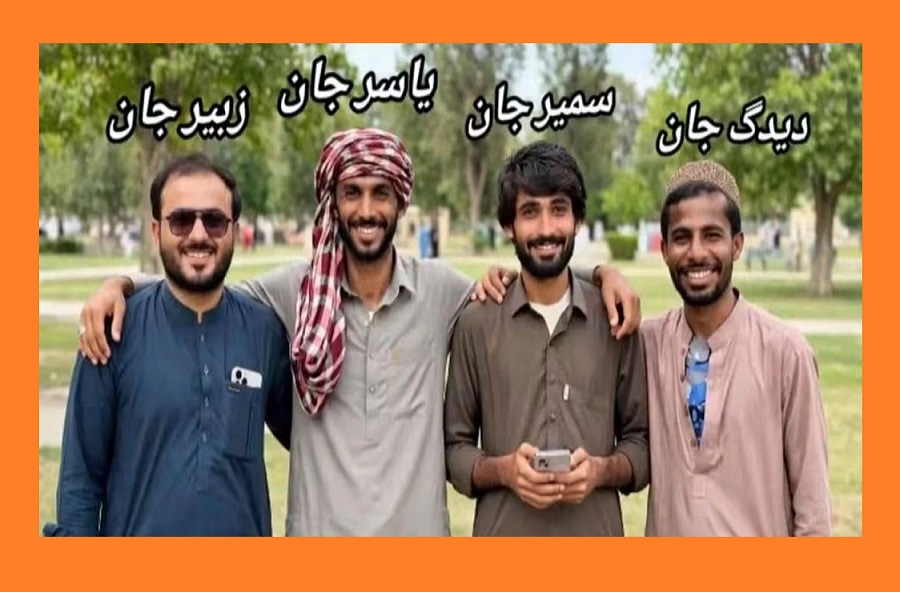
More than 200 cases of extrajudicial killings by Pakistani security forces have been reported in 2025. Among these was the case of ex-Chairman of the Baloch Students Organisation (BSO), Pajjar, Advocate Zubair Baloch, a practicing solicitor and outspoken advocate for Baloch rights. He was brutally killed along with his friend Nisar Jan at his home in Dalbandin by Pakistani security forces. Subsequently, the so-called “selected” Chief Minister of Balochistan, Sarfraz Bugti, labeled him a terrorist without presenting a single piece of evidence.
There has also been a disturbing rise in the enforced disappearance of Baloch women by Pakistani security forces in 2025. A total of 18 women became victims during the year, four of whom were later released after varying periods of detention. The first reported case involved Mahjabeen Baloch, a polio survivor and a Library Sciences student at the University of Balochistan, who was abducted by Pakistani intelligence agencies from Civil Hospital Quetta at midnight on 29 May 2025. Her whereabouts remain unknown, leaving her family in immense psychological distress.
Authorities have also shown a blatant disregard for the rights of minors, as evidenced by the abduction of 15-year-old Nasreena Baloch from Hub Chowki on 22 November 2025. In another alarming incident, Hani Dilwash, who was eight months pregnant, along with Hair Nisa Baloch, was abducted by Pakistani security forces from Hub Chowki on 20 December 2025 and taken to unknown locations. These cases highlight a disturbing escalation of human rights violations, underscoring the absence of accountability and the apparent lack of limits to such abuses.
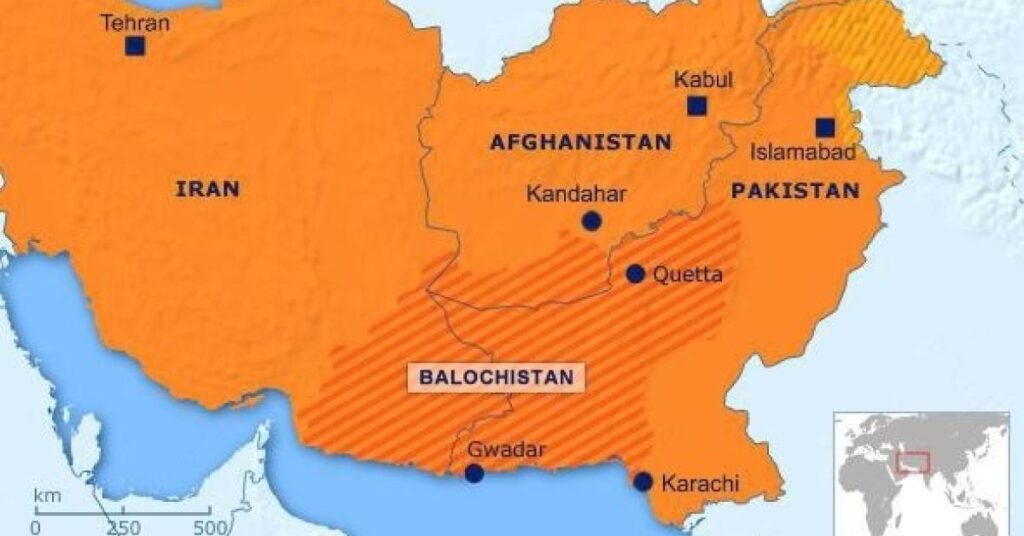
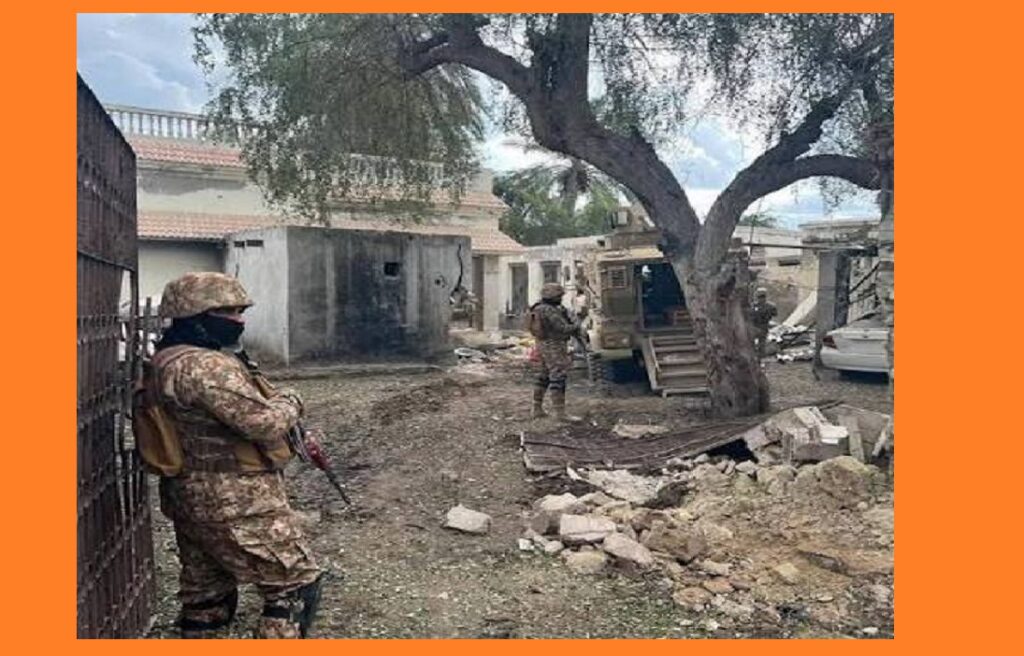
The indiscriminate bombardment, drone attacks and mortar shelling carried out by the Pakistani army in Zehri, Balochistan, resulted in dozens of civilian casualties and a severe humanitarian crisis following the imposition of a complete military siege in September 2025. At least 16 civilian deaths, numerous injuries and incidents of mass enforced disappearances were reported during and after the military aggression. Zehri town remains completely under the control of the Pakistan Army, effectively cut off from the rest of Balochistan. Movement, communication, and access to essential services are restricted, leaving the civilian population in deep uncertainty about their fate.
Baloch political and human rights organisations have long been raising their voices against state oppression, enforced disappearances and widespread human rights violations in Balochistan. However, Pakistan continues to respond by instilling fear among the Baloch people in an attempt to silence dissent and crush any resistance to its inhuman policies. Simultaneously, the state deliberately labels every Baloch political struggle and human rights movement as a foreign-sponsored conspiracy, ignoring the genuine grievances of the Baloch people. The real purpose behind these actions is clear: to tighten its illegal occupation of Balochistan, continue the exploitation and looting of its natural resources and strengthen its own economy while systematically depriving the Baloch population of their basic human rights and freedoms.
Pakistan has deprived the Baloch people of all the basic human rights declared by the United Nations. Meanwhile, Balochistan continues to suffer from the highest poverty rate and the lowest literacy rate in the region. Inadequate healthcare infrastructure and limited access to quality medical services have resulted in alarmingly high mortality rates, particularly maternal and child mortality. The judiciary in Balochistan remains completely paralysed under the control of Pakistan’s intelligence agencies and the Pakistan Army. In fact, every institution, including the so-called Balochistan Assembly, operates under directives issued by the military establishment. As a consequence, the Baloch people are denied even the most basic freedom to live and move freely in their own land.
These grave and systematic human rights violations raise serious and unavoidable questions for the international community, human rights organisations, and the United Nations. How long will the suffering of the Baloch people be ignored, and how long will Pakistan be allowed to act with complete impunity? Are human rights truly protected in practice by international human rights institutions, or are they selectively applied based on the political, military and economic interests of powerful states aligned with Pakistan?
The Baloch people demand not sympathy, but accountability, justice and an immediate end to these ongoing violations.
Disclaimer: The views and opinions expressed in this article are solely those of the author and do not necessarily reflect the official policy or position of Baloch Warna News. The publication provides a platform for diverse perspectives.