Balochistan: Enforced Disappearances and target killings continue: BYC
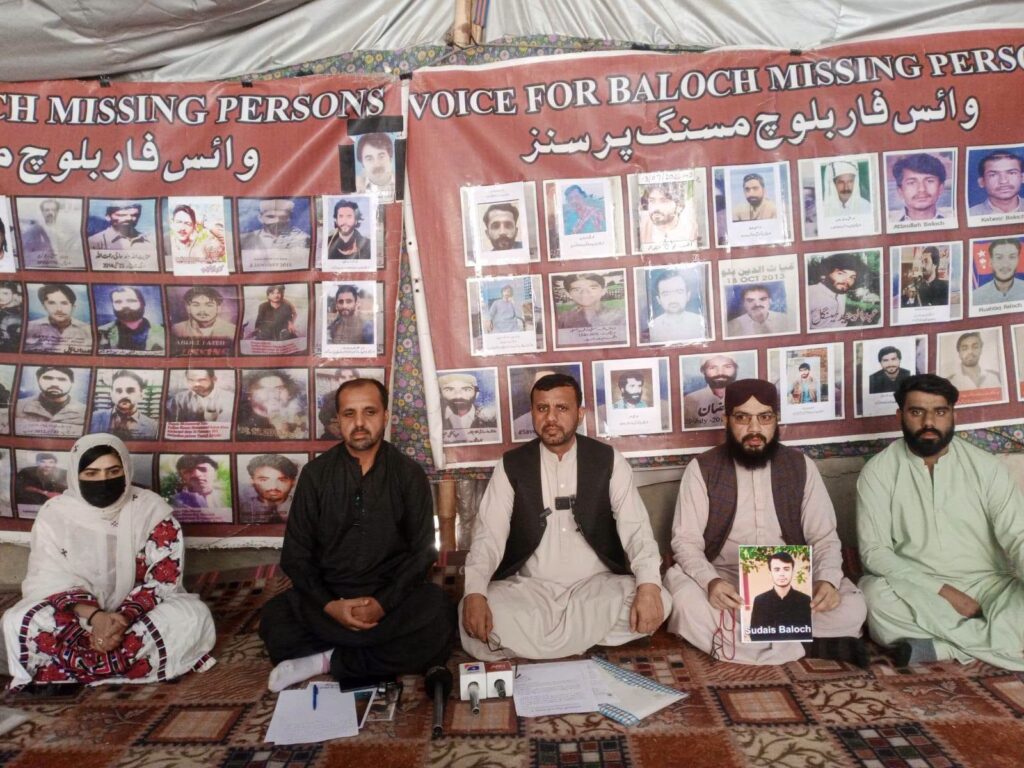
SHAAL, BALOCHISTAN: Three separate incidents reported in Balochistan over the past week have renewed concerns over allegations of enforced disappearances, custodial abuse, and targeted killings in the province, according to statements released by the Baloch Yakjehti Committee (BYC) and victims’ families.
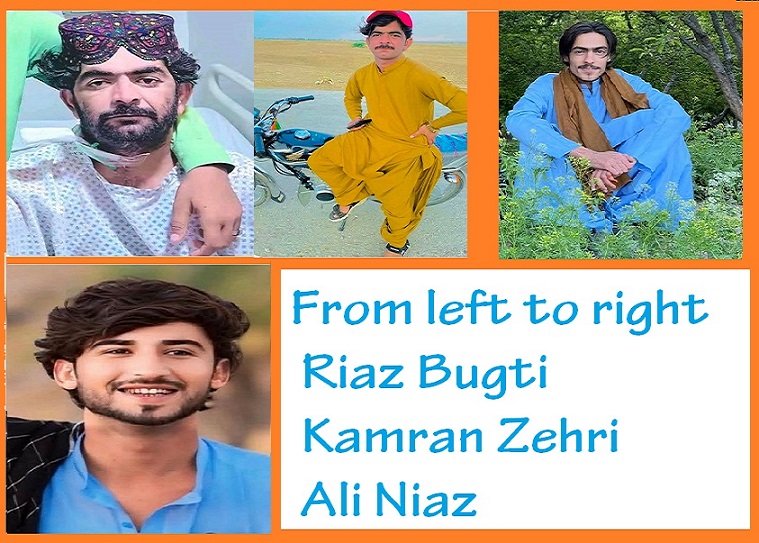
In the first case, Riaz Bugti Baloch, a 35-year-old tractor driver from Dera Bugti, died on 10 July while receiving treatment at Aga Khan University Hospital in Karachi.
According to his family, he was detained during a Counter Terrorism Department (CTD) raid on his home on 12 June, led by a local CTD officer.
BRP sources reported that initially, Raiz was detained along with his father Sajan Bugti. The Pakistani forces also seized their car, a motorcycle and 300,000 PKR in cash.
The family claimed that he was held without legal process, subjected to severe torture, and released the following day in critical condition after relatives paid PKR 5 million to CTD SHO Umar Khosa, who demanded the amount for his safe release.
Bugti was later taken to Agha Khan Hospital in Karachi for treatment, but due to the severity of the torture, his kidneys failed and he succumbed to injuries sustained during his detention by Pakistani forces.
The BYC described the case as part of a broader pattern of enforced disappearances, custodial torture and extortion carried out during counterterrorism operations in Balochistan.
The group further claimed that similar raids and detentions have become increasingly common in Dera Bugti, with families pressured to pay large sums of money to secure the release of detained relatives.
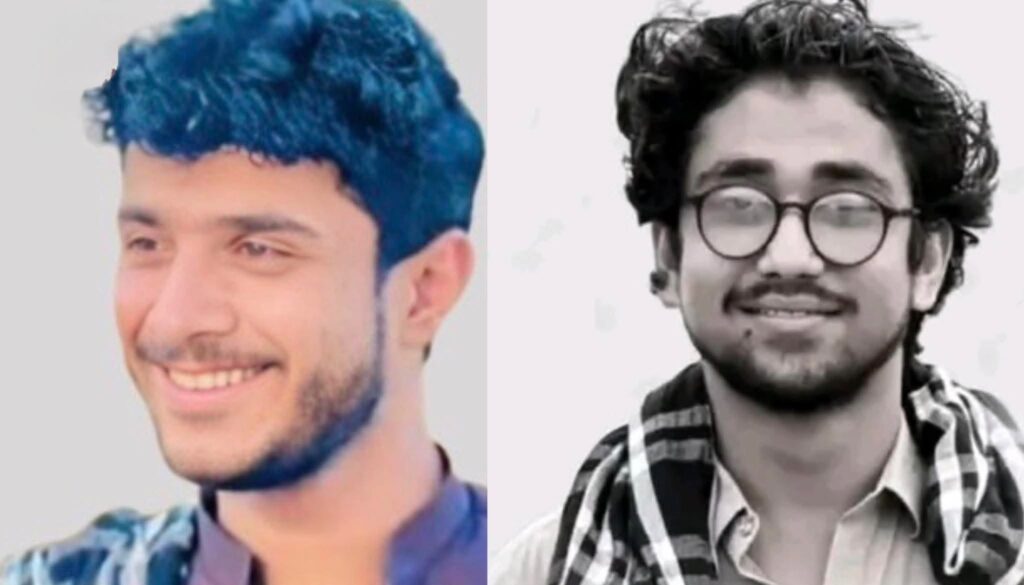
In a separate incident on 8 July, Kamran Zehri Baloch, a 20-year-old FSc student from the Moola area of Khuzdar, was shot dead. The BYC claimed that he was killed by “death squads.” The organisation said the killing reflected the deteriorating human rights situation in Balochistan, where civilians continue to face targeted killings, enforced disappearances and extrajudicial violence.
The group also said that students, teachers, doctors, labourers and other civilians remain vulnerable amid an atmosphere of fear, calling on the United Nations and international human rights organisations to investigate the abuses and press for accountability.
Another case involved Ali, son of Niyaz Ahmed, a 24-year-old petrol pump owner from Jusak in Turbat.
According to the BYC, Ali was forcibly disappeared on 30 June from his petrol station by individuals identified as members of military intelligence and an affiliated armed group travelling in two vehicles.
The organisation said his body was found on 6 July near the CPEC Road in Jusak after seven days of disappearance, bearing multiple bullet wounds and visible signs of torture.
The BYC stated that no First Information Report (FIR) had been registered before Ali’s disappearance and that his family had received no official information regarding his whereabouts during the week he was missing. The organisation said that similar cases of enforced disappearances followed by the recovery of bodies have become increasingly frequent across Balochistan.
Citing all three incidents, the BYC urged international human rights organisations and the wider international community to investigate the cases and support efforts to ensure accountability.
The Baloch Human Rights groups and activists have long been saying that individuals who speak out against abuses in Balochistan face arrests, criminal cases, torture and target killing by Pakistan state forces and criminal groups affiliated with and backed by the Pakistan army.