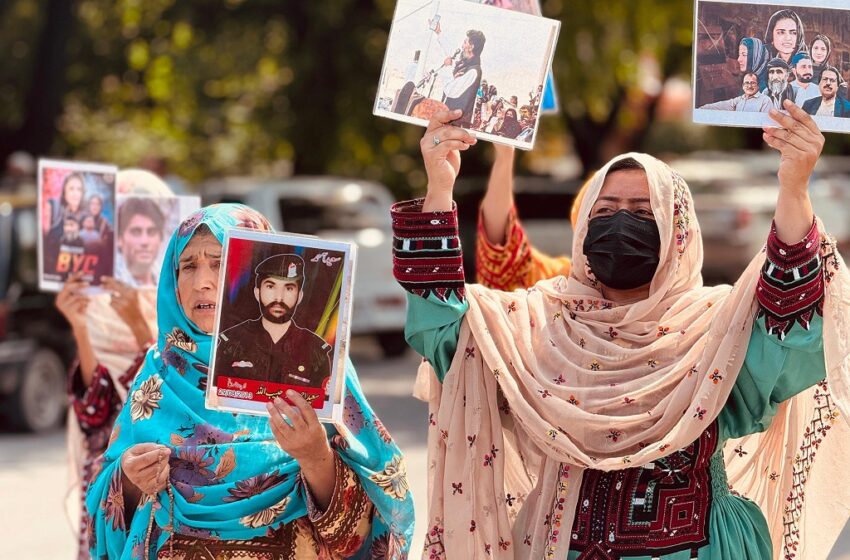
Islamabad: Baloch Families Enter 10th Day of Sit-In Protest Amid Scorching Heat and State Suppression
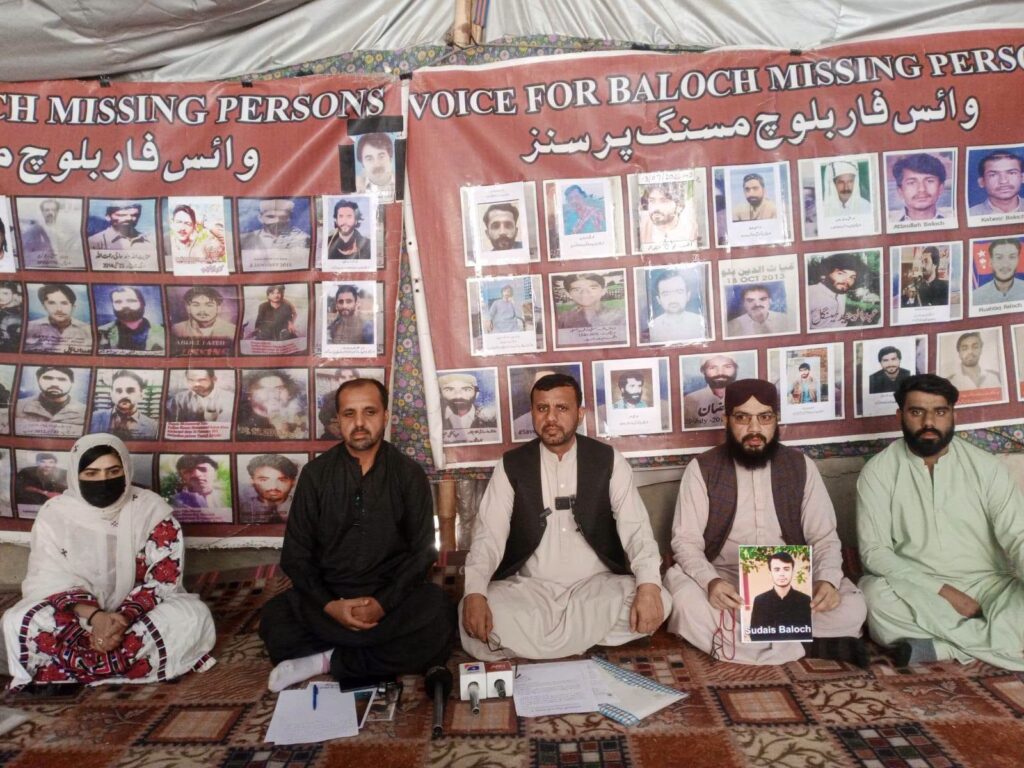
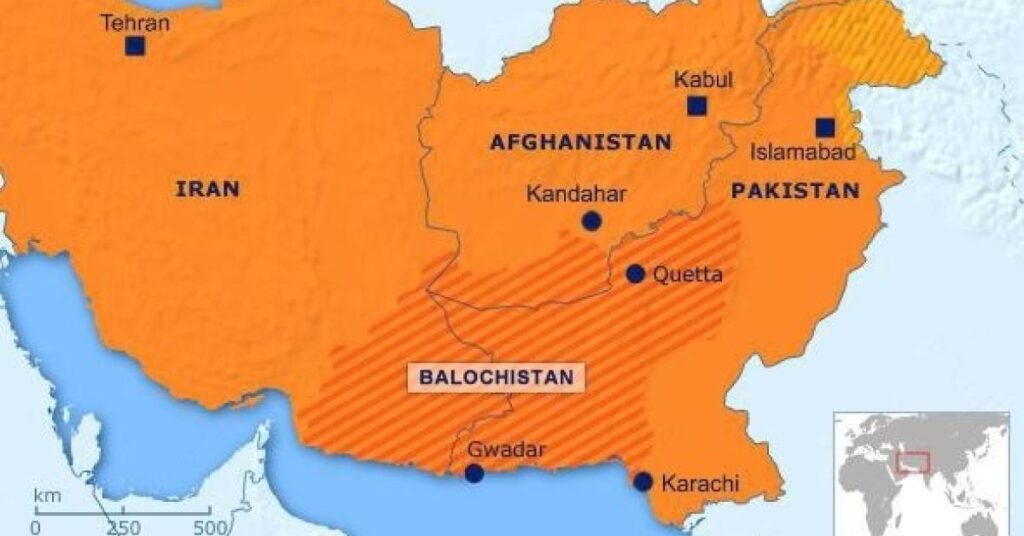
ISLAMABAD: The sit-in protest by Baloch families in Islamabad has entered its 10th consecutive day, as demonstrators demand the release of Baloch Yakjehti Committee (BYC) leaders and an end to the long-standing practice of enforced disappearances in Balochistan.
Despite extreme heat and harsh conditions, families—many of whom have travelled from distant regions—remain steadfast in their protest outside the Islamabad Press Club. Women and children, some of whom fainted from heat exhaustion and dehydration on Thursday, continue to face the elements without access to basic necessities or shelter.
Authorities have denied protestors permission to erect tents or even temporary shade, leaving them exposed to the oppressive summer heat. Humanitarian assistance, including water and medical aid, has been notably absent.
To further isolate the demonstration from public scrutiny, roads leading to the protest site have been sealed with heavy police presence, buses, and barricades—effectively cutting off the area from passersby and press coverage. Protestors say this is part of a broader attempt to suppress their visibility and silence their demands.
Despite the hostile conditions, more families have joined the sit-in today, signalling growing solidarity with the cause and deepening frustration with state inaction.
Their presence in Islamabad—the heart of Pakistan and home to major international diplomatic missions—underscores a powerful message: that the army-backed government imposed on Balochistan is not only incapable but also unwilling to resolve the deep-rooted crisis of enforced disappearances.
By bringing their struggle to the capital, the families aim to confront those who truly hold power and influence over Balochistan. “We are here to remind them that the Baloch people know who took their children, and who is responsible for the pain inflicted upon them,” said protestors.
“We are here to speak directly to the powers behind the curtain. This is not just repression—it is systematic cruelty. We are not just fighting for our loved ones, we are fighting for the right to be heard.”