Balochistan: Pakistan’s Claims as a Peacemaker Contradicted by Brutal State Actions
Ongoing Human Rights Violations in Balochistan and Brutal State Actions Contradict Pakistan’s Claims as an International Peacemaker
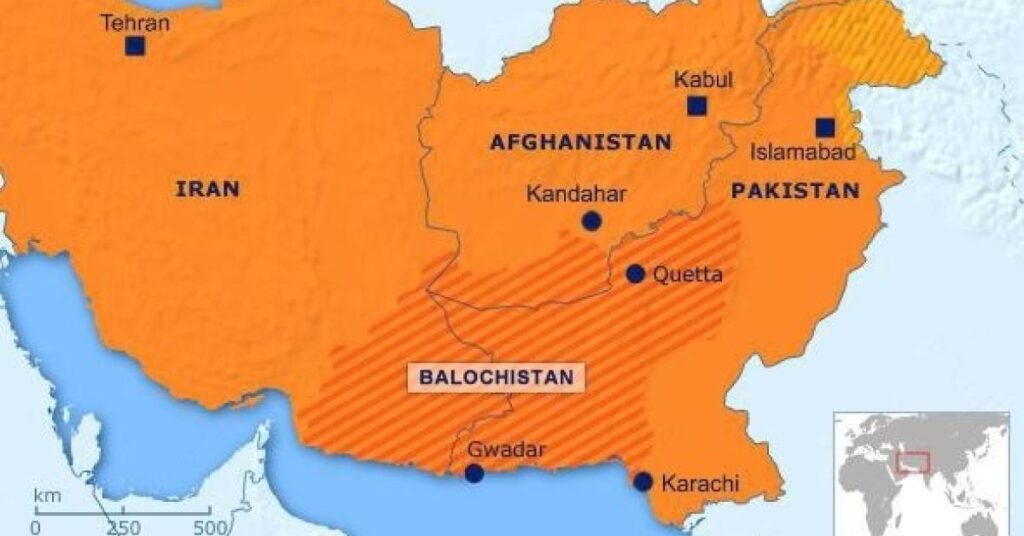
SHAAL, BALOCHISTAN: On April 9, 2026, Chakar Baloch, a young student, was brutally killed by a state-sponsored death squad in Buleda, Kech, Balochistan. He was gunned down at his own shop in Menaz, an act that exemplifies the Pakistani state’s ongoing tactics to instil fear and silence the Baloch population. This targeted killing marks yet another incident in a series of extrajudicial executions, further aggravating the ongoing human rights crisis in the region.
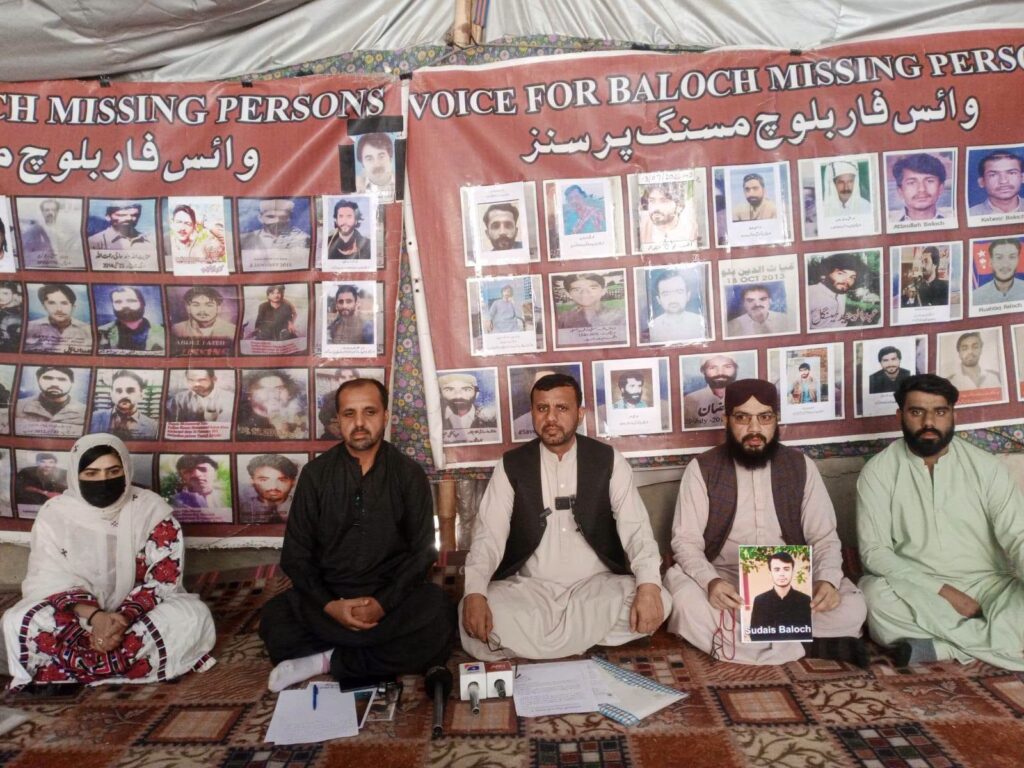
The very next day, on April 10, 2026, two more young lives were claimed by state violence. Muslim Dad, a 40-year-old driver from Buleda, had been forcibly disappeared on September 7, 2025. After 4 months and 28 days, his lifeless body was found dumped in Kechkhoor, Turbat. Another victim, 17-year-old Sadiq Noor, also from Buleda, had disappeared under similar circumstances on the same day in September. His body, was also found alongside Muslim Dad’s. Both killings were not isolated events but part of a troubling pattern of forced disappearances, extrajudicial executions and a complete disregard for the rule of law in Balochistan.
Earlier, on April 8, 2026, the body of 19-year-old Qamber Baloch was found in D-Baloch, Turbat, after six months of enforced disappearance. His family had been left to suffer in silence, awaiting justice that never came. Similarly, Sabzal Baloch, 18, was forcibly disappeared on July 25, 2025, from Gwadar. After eight months of agonising uncertainty, his body was dumped on April 1, 2026, in the Pelari area, echoing the same brutal pattern.
On March 26, 2026, 18-year-old Yarwar Baloch, a tailor from Humari Kahn, was found dead after a nine-month forced disappearance. He had been abducted from outside a court in broad daylight, a glaring example of the state’s impunity. His body, like so many others, was discarded without any legal process, a life lost without a trial or any chance for justice.
Just days before, on March 21, 2026, Muhammad Amir, a young man from Mastung, was killed in a raid by Frontier Corps (FC) personnel. The authorities withheld his body for hours and forced his family to sign a document they were not allowed to read. This incident followed a familiar pattern of violence, suppression and intimidation where families are denied even the basic dignity of a proper burial and justice for their loved ones.
On March 20, 2026, the same day that Eid was supposed to bring joy, two more lives were brutally taken. Ubaid Ullah, a 30-year-old farmer from Hajika, was shot by Frontier Corps personnel and Abdullah, a 23-year-old driver from Reesh Pesh Paroom, Panjgur, was targeted and killed by death squads in a similar incident. Both killings occurred in proximity to Eid, turning what should have been a time of celebration into one of mourning and grief for Baloch families.
These cases illustrate a pervasive climate of violence and repression in Balochistan, where the state’s actions stand in direct contradiction to its claims of being an international peacemaker. The extrajudicial killings, enforced disappearances, and the constant use of violence by state forces against Baloch civilians, including students, farmers and workers, are a testament to the absence of rule of law in the region.
Pakistan’s claims of promoting peace on the international stage are increasingly hollow when weighed against the ongoing violations of fundamental human rights in Balochistan. The systemic use of force, the absence of accountability and the lack of any meaningful legal recourse for the families of the victims highlight the country’s disregard for international human rights standards.
The atrocities in Balochistan, with their grim frequency and impunity, are a black spot on Pakistan’s credibility and undermine its self-proclaimed role as a peace advocate. Until these abuses end, the international community must not ignore the cries for justice from the people of Balochistan.