Oplus_16908288
Balochistan: Teen Killed by Border Forces, Balochi Folk Artist dies in a landmine blast
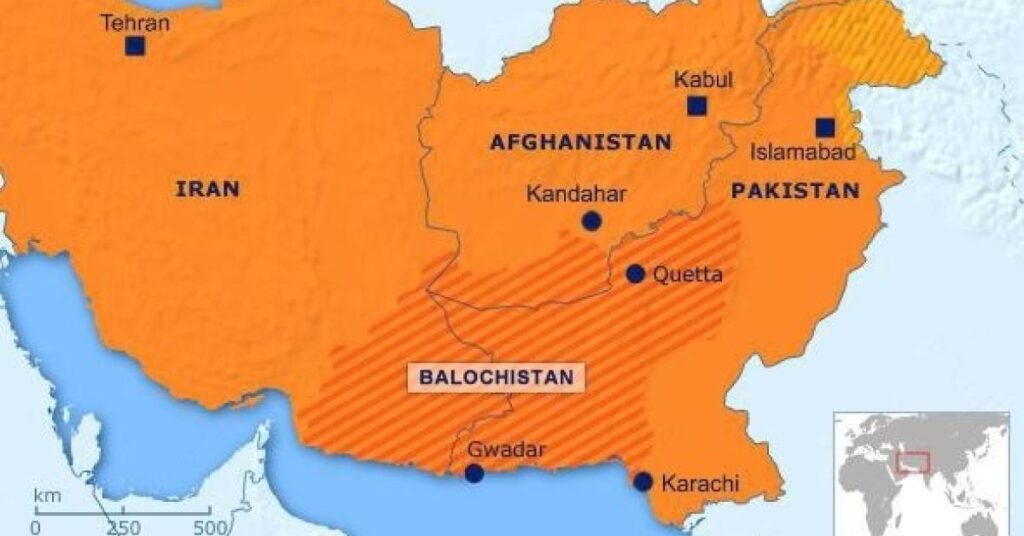
DOZZAAP, ZAHEDAN: A 17-year-old Baloch teenager was killed by Iranian military gunfire near the Iran-Afghanistan border in Zabol County. At the same time, the death of a prominent Baloch folk artist in a landmine explosion has renewed concerns about the vulnerability of Baloch civilians and the economic hardships facing the region’s cultural community.
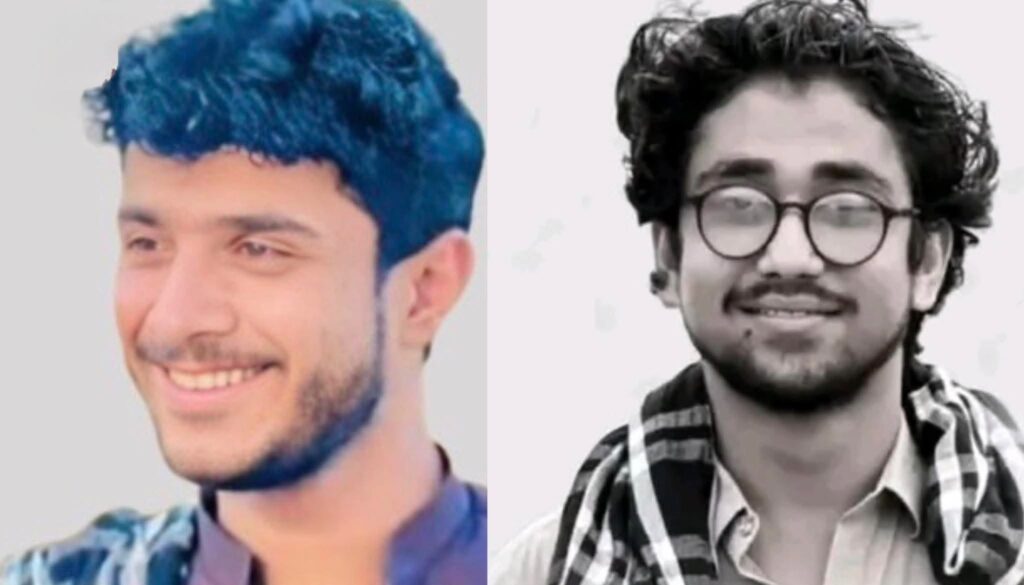
According to reports from Baloch human rights monitors, Seyed Yousof Hashemi, a 17-year-old resident of Zahedan, was shot dead on June 12, 2026, near the Haji Sharif border outpost in Zabol County.
Hashemi, who lacked identity documents, had previously been detained by Iranian military authorities and deported to Afghanistan. He was attempting to return to Zahedan to reunite with his family when security forces opened fire, striking him in the heart and killing him at the scene.
Following the incident, authorities transferred his body to Zabol Hospital and initially refused to release it to his family. Relatives said that after two days of persistent efforts, the body was returned on June 14 and later buried in Zahedan beside his father’s grave.
The killing comes amid broader concerns about the safety of Baloch civilians in border regions. According to the Balochistan Human Rights Documentation Network’s 2025 annual report, at least 150 Baloch citizens were killed or injured by military gunfire or landmine explosions during the year, including women and children.
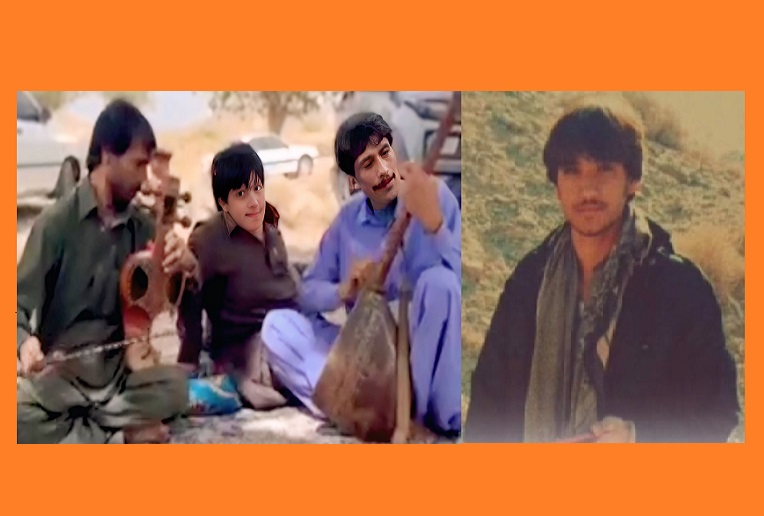
Separately, the death of well-known Baloch folk singer Gwaharam Gamshadzaei has sparked widespread discussion across social media after videos of the artist performing traditional Balochi songs circulated online following his death. Gamshadzehi, 45, was killed on June 11 in the Esfandak area of Saravan after being caught in a landmine explosion.
The artist, who was married and the father of seven children, was known for performing traditional Balochi poetry and music. Despite his cultural contributions, reports indicate that he was forced to work as a fuel transporter, a hazardous occupation commonly undertaken by residents of the region due to limited economic opportunities.
His death has highlighted the precarious conditions faced by many Baloch artists, musicians, and cultural workers who struggle to earn a living from their craft. Observers say that a lack of institutional support, employment opportunities and cultural investment has left many artists dependent on dangerous forms of work, such as fuel transportation and manual labour.
In recent years, dozens of Baloch fuel transporters have been killed in shootings, landmine explosions, vehicle crashes during security pursuits, and other incidents. Human rights advocates argue that these cases reflect broader issues of economic marginalisation and insecurity affecting people of Iranian-occupied Balochistan.
The deaths of Seyed Yousof Hashemi and Goharam Gamshadzehi have drawn renewed attention to concerns over civilian safety, border enforcement practices, and the challenges faced by the Baloch nation, particularly young people and cultural figures struggling to navigate poverty and limited opportunities.