Surab Aerial Bombardment: Continuation of Pakistan’s Ongoing Military Campaign Against the Baloch Freedom Movement: FBM
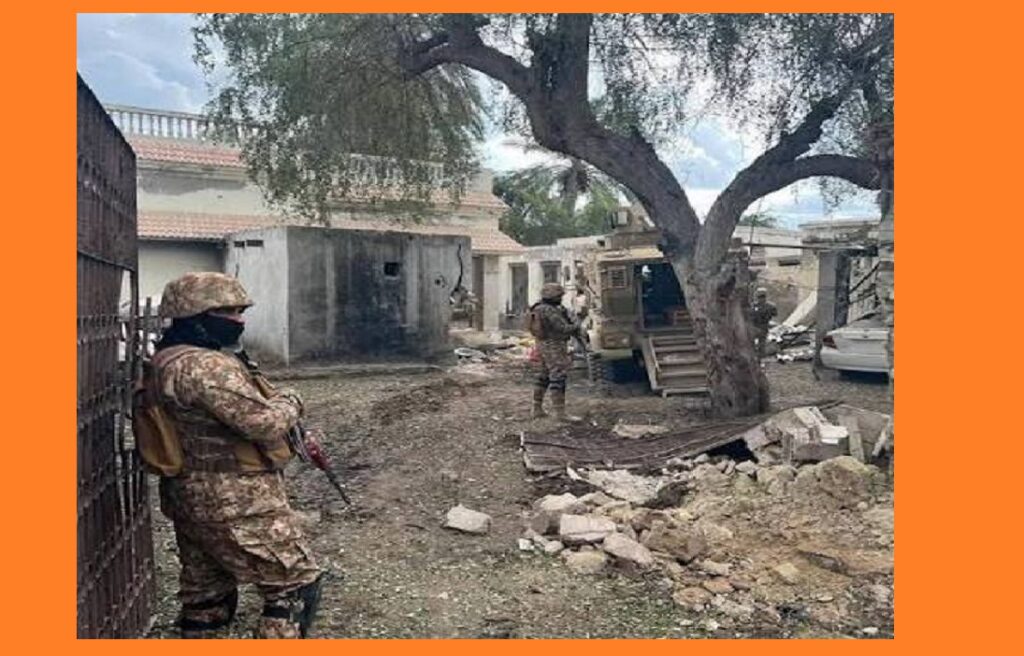
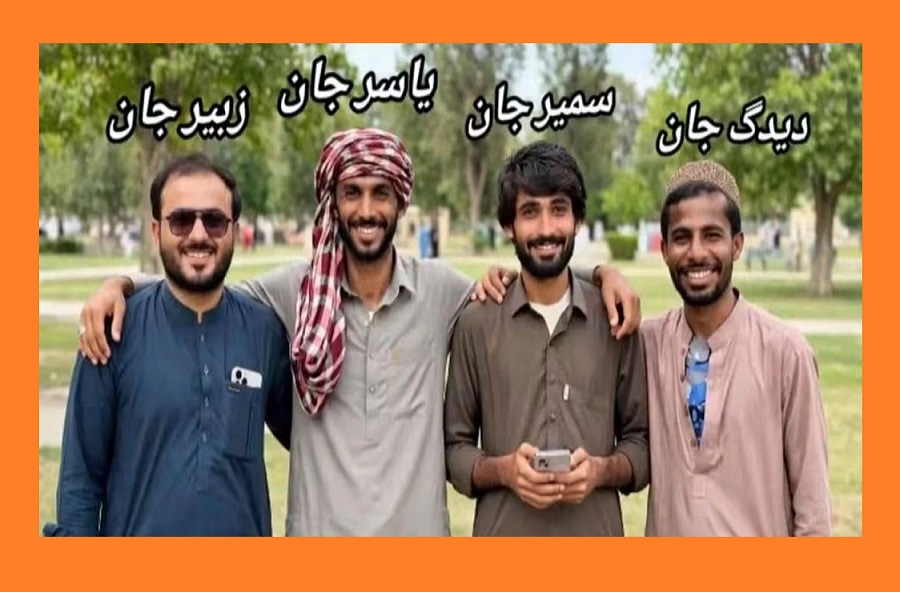
SHAAL (QUETTA): The spokesperson of the Free Balochistan Movement (FBM), in a statement to the media, said that the brutal aerial bombardment carried out by the Pakistan Air Force, using modern fighter jets against civilian Baloch populations in Gidar, Surab, in Pakistani-occupied Balochistan, demonstrates that the occupying state of Pakistan, fearful of the growing popularity of the Baloch national liberation movement, is raining fire and destruction upon unarmed Baloch people. This aerial aggression which resulted in killing Baloch women, children and the elderly has refreshed memories of the aggression carried out by the Iranian and Pakistani occupying forces in the Chamalang Valley.
Approximately fifty-two years ago, in 1974, the Pakistani military launched a major military offensive against the Baloch resistance movement in the Chamalang area of Balochistan. At that time, the Shah’s regime in Iran also provided military assistance to Pakistan. Historical studies indicate that Iranian combat helicopters and Iranian pilots were sent to support the Pakistani military, while the Pakistan Air Force also employed aerial power during the Chamalang offensive. In the 1970s, Pakistani military forces threw Baloch prisoners of war from helicopters onto the ground, resulting in the deaths of hundreds of people across Balochistan.
The Chamalang offensive was not merely a military battle; it became a painful historical example of the impact of war and collective punishment on Baloch populations, families, livestock and everyday life. At that time too, the fundamental objective of the state’s use of power was to employ military pressure to force the Baloch nation to retreat from its political demands and national rights. The historical record also shows that during the resistance movement from 1973 to 1977, the number of Pakistani troops deployed reached tens of thousands, while Iran provided significant military assistance to Pakistan.
Bombs were dropped on Chamalang to silence the Baloch nation; mountains were besieged and settlements were devastated. Today, the same old state brutality is being used in Gidar. But history teaches a clear lesson: the existence of a nation cannot be eliminated through the use of force. Before and after the Chamalang offensive, the Baloch nation has continued its resistance for political and national freedom in different periods. The resistance of 1948, 1958–59, the 1960s, 1973–77 and the Baloch resistance that emerged again in the twenty-first century all bear witness to the historical reality that the Baloch question cannot be eliminated through military force, forced integration and state repression.
Later, during the early years of the Musharraf government, severe aerial bombardments were carried out against civilian Baloch populations in various parts of Balochistan between 2001 and 2005.
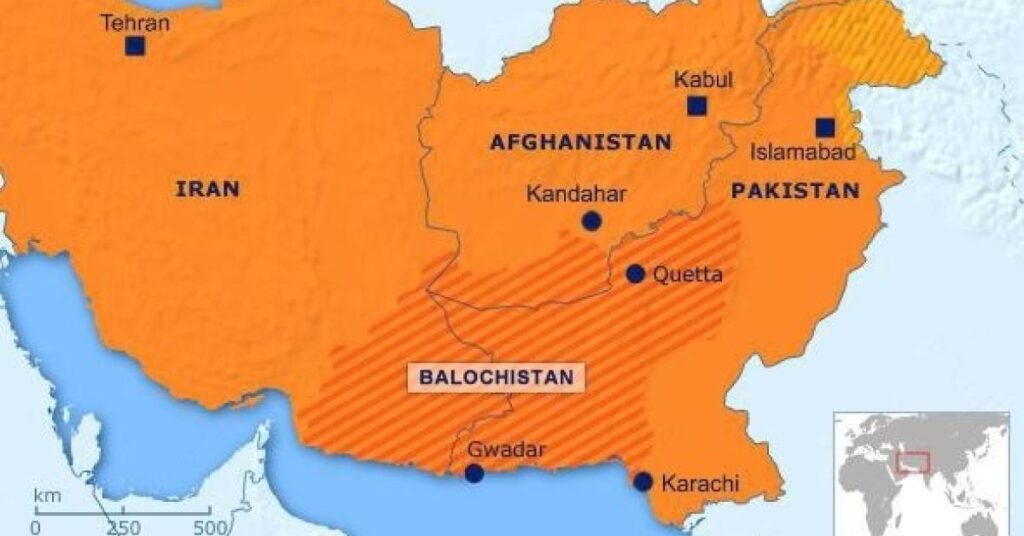
Similarly, in Iranian-occupied Balochistan, the Baloch people have for decades faced state repression in their struggle for political, cultural, economic and national rights. The state borders of Iran and Pakistan cannot erase the historical unity of the Baloch national existence. The Baloch nation is a historical, geographical, cultural, and national unity whose homeland is today divided between the so-called state borders of Pakistan and Iran.
For the Free Balochistan Movement, Baloch national independence is not a temporary political demand directed against a single state; rather, it is a principled demand for the freedom of the entire historic Balochistan. Whether repression against Baloch land comes from Islamabad or Tehran, changing the name of the occupying power does not change the Baloch nation’s right to freedom.
The occupying Pakistani state is today employing military force, aerial attacks, enforced disappearances, arrests and pressure on civilian populations under the same logic of attempting to suppress Baloch resistance. The Iranian occupying state has likewise employed this logic in various forms in Iranian-occupied Balochistan. The two states may use different slogans and present different constitutional and political justifications, but in the face of the Baloch nation’s national right to freedom, their fundamental attitude remains essentially the same.
The Free Balochistan Movement makes it clear that the Baloch national question is not a question of a few armed individuals, nor can it be presented merely as a matter of law and order. It is a historic national question. Its lasting solution does not lie in military offensives, bombardment, enforced disappearances, or state violence, but in recognising the Baloch nation’s complete right to freedom.
An occupying state may temporarily silence an area through military power, but it cannot eliminate the political consciousness of a nation. Bombs, bullets and military aggression do not defeat a nation’s political demands; they only deepen a sense of deprivation, anger and resistance among new generations.
The Free Balochistan Movement calls upon the United Nations, international human rights organisations, the international media and the democratic forces of the world to take immediate steps for independent and transparent investigations into all military attacks carried out against Baloch civilian populations, including the recent aerial strike in Gidar, Surab.
Independent media and human rights observers must be granted access to the affected areas, the protection of Baloch civilians under the Geneva Conventions must be ensured and the policy of treating the Baloch national struggle for political freedom merely as a military issue must be abandoned.
The Free Balochistan Movement reaffirms its resolve that the demand for Baloch national freedom will neither be extinguished by the power of Islamabad nor by the repression of Tehran. The Baloch nation will continue its political struggle until it rids itself of the occupation of Iran and Pakistan and regains its complete independence.