Balochistan: New Wave of Displacements, Policy of Collective Punishment
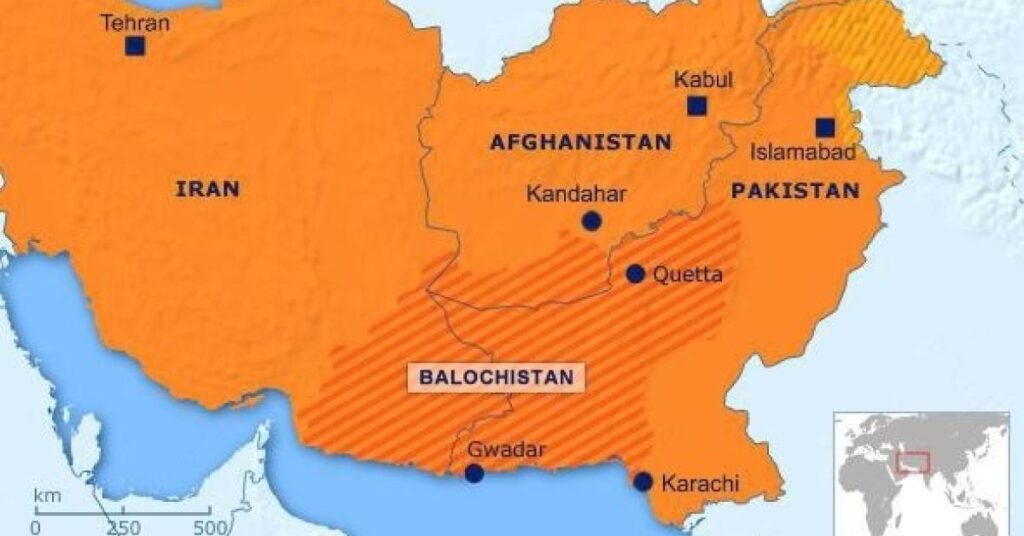
The latest reports of mass displacement from Sardasht and Kalanch in Gwadar, evacuation orders in parts of Kalat, and the demolition and destruction of homes in different parts of Balochistan raise a fundamental question: how many times can ordinary people be forced to abandon their homes in the name of security?
From Sardasht and Kalanch to Parod, Shor and Gazg, a troubling pattern is emerging. Families who have lived on their ancestral lands for generations are forced to leave behind their homes, agricultural fields, livestock and livelihoods. Some are moving towards Pasni and Gwadar, while others have migrated to Turbat.
These are not simply movements of people from one town to another. For rural Baloch communities, land is home, livelihood, history and identity. When a family is forced to leave its village, it loses far more than a roof over its head. It can lose its orchards, fields, livestock, community networks and the economic foundation on which generations have depended.
The Pakistan authorities and their puppet government in Balochistan have a responsibility to explain clearly why entire communities are being compelled to leave. In fact, the absence of clear information is creating fear and uncertainty.
The situation bears an uncomfortable resemblance to an earlier chapter in Balochistan’s history. During the rule of former military ruler General Pervez Musharraf, large-scale military aggressions in areas including Dera Bugti and Kohlu resulted in substantial civilian displacement. Human-rights organisations and contemporary reports documented tens of thousands of displaced people, while some estimates placed the overall number considerably higher.
That history matters because displacement leaves a legacy long after military operations end. Communities that abandon their villages do not necessarily return to the lives they once knew. Agricultural land can be lost, houses can be destroyed and local economies can collapse. A security operation may last months, while its consequences can last generations.
The Balochistan Chief Minister Sarfraz Bugti’s recent remarks have further intensified concerns about the treatment of civilian communities. Bugti has warned that residents could face relocation in areas affected by militant activity and has spoken about action against private properties allegedly being used by militants.
Such statements have drawn criticism because they raise the question of whether individuals are being held responsible for alleged activities beyond their own conduct. The distinction between targeting an armed group and punishing a civilian population is crucial.
Suspicion alone cannot turn an entire population into a security target. A resident should not lose a home, orchard or livelihood merely because an armed group is alleged to have operated nearby or because authorities suspect that militants have used civilian property.
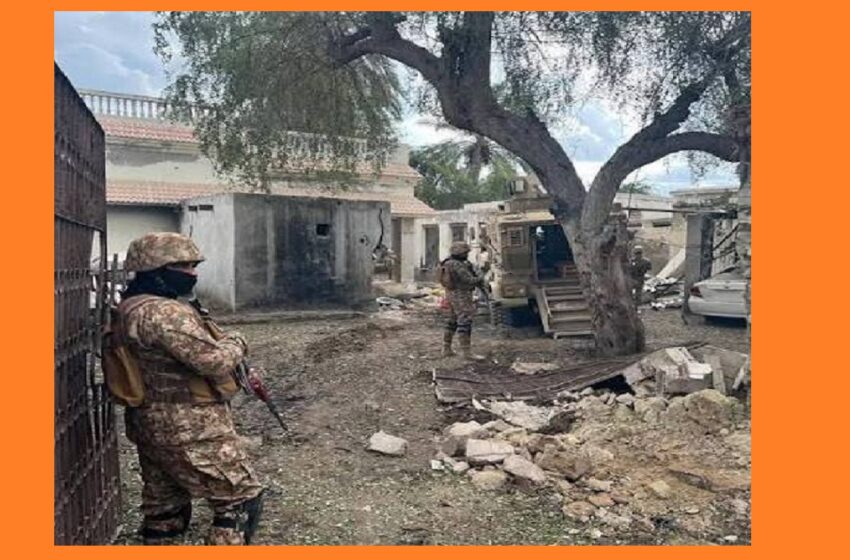
The latest demolition of homes in Dalbandin, the destruction of houses in Tump and the broader reports of property being damaged during military offensives therefore deserve independent scrutiny.
The same principle applies to the current displacement from Sardasht and Kalanch. If thousands of people have indeed left their homes, the government should publicly explain the basis for the evacuations and the number of affected families. A state cannot permanently resolve insecurity by repeatedly moving the population living in the affected areas. Nor should civilians be forced to choose between their safety and their ancestral homes.
Collective punishment, whether through indiscriminate destruction of property, coercive displacement or the threat of removing an entire population, cannot provide a durable answer to a political and security crisis.
The lesson of Balochistan’s past should be clear: military aggressions and offensives may end, but the wounds created by forced displacement can remain for generations.